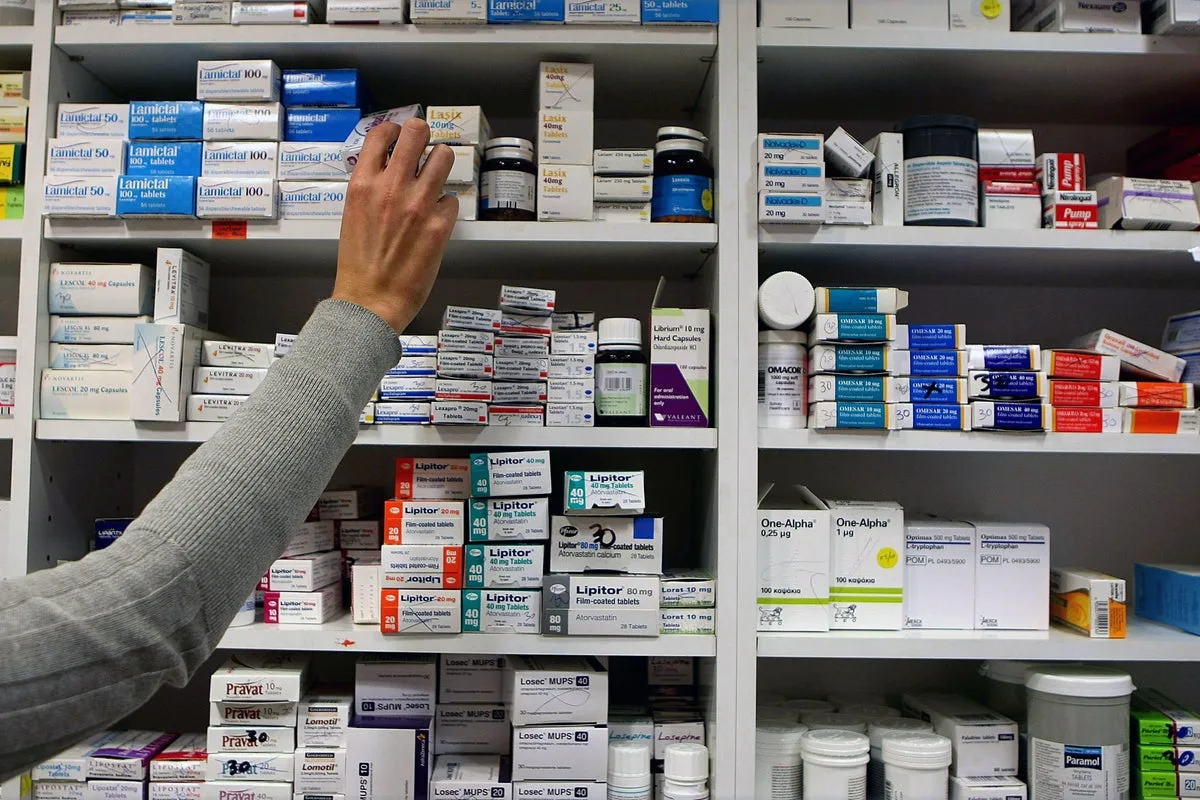
NHS Could Face Critical Drug Shortages Within Weeks Due to Iran Conflict
Medicine manufacturers have issued a stark warning that the National Health Service could experience severe drug shortages within weeks if the ongoing conflict between the United States and Iran continues without resolution. According to industry experts, this geopolitical crisis threatens to disrupt the supply of essential medications that millions of British patients depend upon daily.
Immediate Threats to Common Medications
The potential shortages could impact as much as 85 percent of all NHS prescriptions, with common medications including paracetamol, various antibiotics, stroke prevention medicines, and even certain cancer treatments becoming increasingly difficult to obtain as early as June. Medicines UK, representing pharmaceutical manufacturers, has expressed growing concern about the dwindling supply of critical chemicals and solvents required to produce active pharmaceutical ingredients.
Medicines containing paracetamol and aspirin are considered particularly vulnerable because their manufacturing processes rely heavily on by-products from the petrochemical industry. This sector has been severely affected by Tehran's blockade of the Strait of Hormuz, a crucial maritime passage for global oil and chemical shipments.
Supply Chain Disruptions and Industry Concerns
Medicines UK has reported receiving only about one-quarter of its typical drug volumes due to the conflict, creating significant challenges for maintaining adequate stock levels across the healthcare system. This disruption could make it substantially harder for pharmacists to fulfil patient prescriptions and may drive up costs for health services seeking alternative sources for essential medicines.
Dr. Leyla Hannbeck, Chief Executive Officer of the Independent Pharmacies Association, emphasized the widespread dependence of pharmaceutical manufacturing on petroleum-derived inputs. "A significant proportion of pharmaceuticals rely on these petrochemical products, which are essential components in many common medicines ranging from antibiotics to pain relief medications and treatments for chronic diseases," she explained.
"Disruption to the flow of crude oil and petrochemicals therefore places serious constraints on both the availability and cost of these critical pharmaceutical ingredients," Dr. Hannbeck added, noting that her organization had written to the Secretary of State for Health and Social Care nearly a month ago to warn about these emerging challenges.
Cancer Treatment and Specialized Medicine Impacts
Professor Richard Sullivan, an expert in cancer and global health at King's College London, has specifically highlighted concerns about cancer drug shortages. He warned that supply chain disruptions are affecting not only medications but also consumables for robotic surgery procedures, which require substantial equipment for each operation.
The Independent Pharmacies Association has formally requested that medicine supply concerns be added to the national risk register, reflecting the severity of the potential crisis. In a letter to Health Secretary Wes Streeting, Dr. Hannbeck voiced particular apprehension about the supply of essential medicines that "millions rely on daily," including crucial blood pressure medications.
Government Response and Contingency Planning
Following these warnings, the government has stated that it is actively monitoring the situation and working to strengthen Britain's domestic medicine manufacturing capabilities. A spokesperson for the Department of Health and Social Care provided reassurance while acknowledging the challenges.
"We are monitoring the situation closely and there is currently very limited disruption to medical product supply from the conflict in the Middle East," the spokesperson stated. "We have robust measures in place to manage disruption across the health and social care sector to protect patients, including maintaining buffer stocks and procuring alternative products where necessary."
The department emphasized that the vast majority of the United Kingdom's licensed medicines remain in good supply and committed to continued collaboration with industry partners to ensure the ongoing availability of medical products. However, manufacturers and healthcare professionals continue to express concern about the potential for rapid deterioration in supply chains if the geopolitical situation in the Middle East does not improve substantially in the coming weeks.






