Women experiencing any problems with their periods have been strongly advised to seek medical advice from a healthcare professional. A prominent television doctor has emphasised that certain menstrual issues should not be accepted as normal, particularly when they begin to dominate daily life.
Expert Warning on Menstrual Health
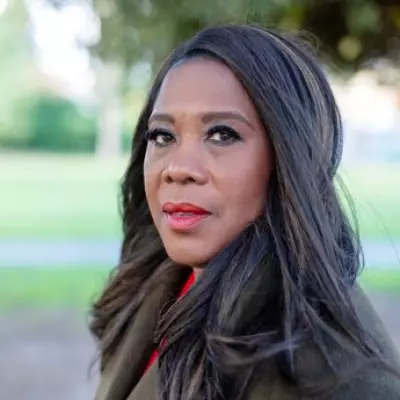
Dr Nighat Arif, a well-known women's health specialist who regularly appears on BBC Breakfast and ITV's This Morning, has issued a clear message. She asserts that individuals should never feel compelled to endure period-related difficulties, especially if these problems start to interfere with their regular activities and overall quality of life.
The NHS general practitioner stressed that just because a symptom is common or frequently experienced does not automatically mean it is medically normal or acceptable. Dr Arif provided specific examples to illustrate her point.

Identifying Problematic Symptoms
"You know, it's not normal to have blood leak through your period products," Dr Arif explained. "That period pain that is doubling you up and stopping you from doing activities every day is not normal."
She continued with a direct recommendation: "So, therefore, you need to please go and find the underlying causes for that. Please get your healthcare professional to check for the underlying causes of heavy menstrual bleeding."
Potential Underlying Conditions
Dr Arif highlighted several medical conditions that could be responsible for problematic menstrual symptoms, including:
- Uterine fibroids
- Adenomyosis
- Endometriosis
- Polycystic ovarian syndrome
- Bleeding disorders such as von Willebrand's disease
- Underactive thyroid conditions or misdiagnosed thyroid issues
- Pelvic inflammatory disease
She specifically noted that any infection or unusual discharge accompanying heavy menstrual bleeding could indicate pelvic inflammatory disease, which requires proper medical attention.
Understanding Normal Period Variations
According to NHS guidance, most women experience their menstrual cycle approximately every 28 days, though variations are common. Cycles can range from as frequent as every 21 days to as infrequent as every 35 days without necessarily indicating a problem.
Medical experts acknowledge that periods naturally change over time, potentially becoming longer, shorter, lighter, or heavier. While these variations don't always signal underlying issues, they can be investigated to rule out possible conditions.
Available Resources and Support
Dr Nighat Arif pointed to valuable resources for those concerned about their menstrual health. The charity Wellbeing of Women offers a free online symptom checker developed in collaboration with general practitioners, gynaecologists, pharmacists, and women themselves.
This tool aims to challenge the normalisation of period-related symptoms that might actually indicate medical concerns. However, Dr Arif emphasised that results from such checkers should complement, not replace, professional medical advice.
"You can jot down all your symptoms and take a letter to a healthcare professional to navigate the next part of the journey," she suggested. "Common is not normal. Always investigate heavy menstrual bleeding."
The NHS provides extensive online information about potential period problems that healthcare professionals can diagnose when symptoms align and appropriate testing confirms specific conditions.