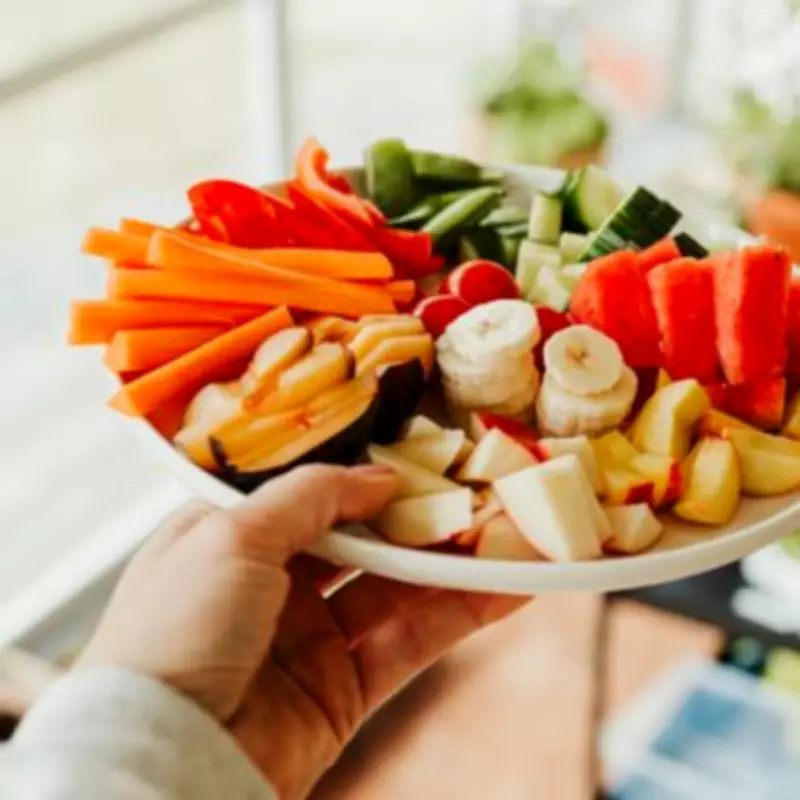
People across the United Kingdom could significantly lower their risk of developing certain cancers by making a simple dietary adjustment: adding more red fruits and vegetables to their plates. This advice comes directly from health experts at the East Lancashire Hospitals NHS Trust, who emphasise that while a balanced lifestyle involves many components, nutrition plays a pivotal role in overall well-being.
The Power of Eating a Rainbow
In a downloadable PDF resource, the NHS Trust strongly advocates for patients to 'eat a rainbow' to bolster their health. This concept focuses on consuming a diverse array of colourful fruits and vegetables to ensure a comprehensive intake of essential vitamins and minerals.
The health experts explain: "By eating fruits and vegetables of different colours, you are very likely to achieve a good range of vitamins and minerals for maintaining health and wellbeing. Certain colours are especially rich in protective compounds, and each fruit or veg varies in different vitamin and mineral contents."

Why Red Stands Out
Among the spectrum of colours, red holds particular significance. The NHS Trust clarifies: "Red fruits and veggies contain 'lycopene' which may help protect against certain cancers." This powerful antioxidant, predominantly found in tomatoes, red peppers, watermelon, and pink grapefruit, has been linked to reduced cancer risks.
Scientific research indicates that lycopene might decrease the chances of developing cancers, especially prostate cancer, by mitigating oxidative stress and inhibiting tumour growth. Although study results can sometimes be mixed, the protective benefits are sufficiently compelling for health authorities to recommend increased consumption.
Beyond Red: The Full Spectrum of Benefits
The rainbow approach extends well beyond red produce. Each colour category offers unique health advantages:
- Orange fruits and vegetables are packed with beta-carotene, which the body converts to vitamin A for healthy skin.
- Yellow varieties contain carotenoids that provide essential protection for our eyes.
- Green produce delivers energy-giving compounds and iron, which can help prevent anaemia.
- Purple options serve as excellent sources of anthocyanins, known for their anti-aging properties.
Practical examples include squash, nectarines, apricots, sweetcorn, yellow peppers, spinach, various grapes, aubergines, plums, carrots, mango, yellow courgettes, spring greens, kiwi fruit, red cabbage, and blackcurrants. This list represents just a sampling of the numerous options available.
Implementing the Five a Day Recommendation
The NHS underscores the importance of variety within the recommended five daily portions of fruits and vegetables. The Trust specifically notes that eating five items of the same colour only counts as a single portion, highlighting the necessity of dietary diversity.
This guidance aligns with the broader Five a Day campaign, which originates from World Health Organization recommendations to consume at least 400g of fruits and vegetables daily. This practice has been shown to lower risks of serious health conditions including heart disease, stroke, and various cancers.
Individuals are encouraged to assess which colours might be lacking in their current diets and intentionally incorporate more fruits and vegetables from those categories. While focusing on red produce for its cancer-protective potential, maintaining a broad spectrum of colours remains crucial for comprehensive nutritional benefits.