Music Volume Has No Impact on Workout Quality, Major Study Confirms
Health experts are calling for a significant reduction in music volume during exercise classes following groundbreaking research that reveals lower sound levels do not affect workout intensity. The comprehensive study, conducted by researchers at the University of Southern California, provides compelling evidence that quieter fitness environments can protect hearing without compromising exercise performance.
Detailed Analysis of 189 Participants Reveals Surprising Findings
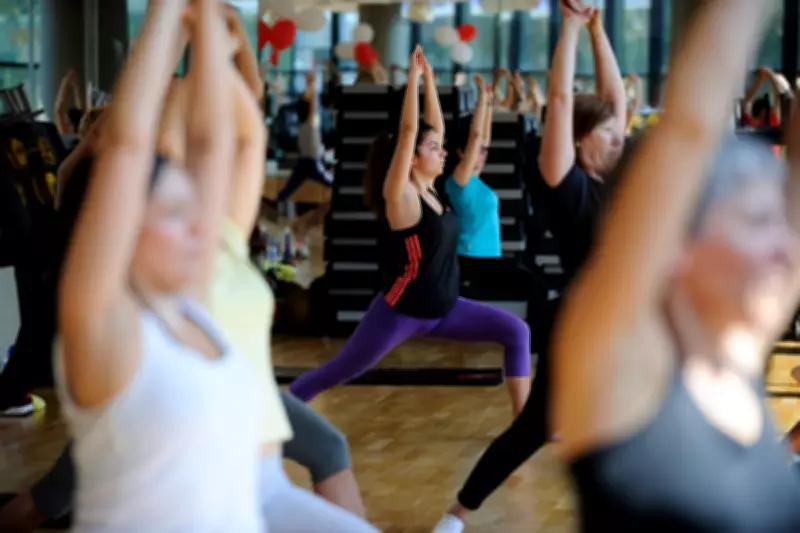
The research team meticulously analysed data from 189 participants engaged in weight training sessions across multiple Los Angeles fitness facilities. The study compared classes where music played at 91.4 decibels with sessions at a reduced volume of 88.5 decibels, discovering that the volume difference had no meaningful impact on the amount or quality of exercise performed.
Researchers conducted detailed surveys with participants after each class to measure perceived exertion levels. The results showed that the effort exerted by attendees in quieter classes was "non inferior" to those participating in louder sessions, challenging long-held assumptions about music's role in workout motivation.

RNID Endorses Quieter Fitness Environments
The Royal National Institute for Deaf People has strongly endorsed the study's findings, describing volume reduction as a "simple step" individuals can take to protect their hearing while maintaining exercise effectiveness. Franki Oliver, audiology manager at RNID, emphasized the importance of this research for public health.
"Exposure to loud sound levels represents one of the leading causes of hearing loss and tinnitus, but the encouraging news is that it's also among the most preventable conditions," Oliver stated. "Lowering music volume in fitness classes provides a straightforward method to reduce this risk while preserving the exercise experience."
Practical Recommendations for Gym-Goers
The study authors, publishing their findings in the prestigious journal JAMA Otolaryngology – Head and Neck Surgery, concluded that "reducing music volume in group fitness classes did not lead to meaningful reductions in perceived exertion and may reduce the risk of noise-induced hearing loss."
Oliver provided additional practical advice for fitness enthusiasts:
- Maintain a safe distance from speakers during exercise classes
- Be aware of personal hearing protection in loud environments
- Consult a GP if experiencing hearing concerns after repeated exposure to loud noise
- Utilize RNID's free online hearing check available at their official website
Broader Implications for Fitness Industry
This research carries significant implications for fitness facilities worldwide, suggesting that current volume standards in many gyms and exercise studios may be unnecessarily high. The findings indicate that reducing decibel levels by just a few points could substantially decrease hearing damage risks without affecting workout quality or participant satisfaction.
The study arrives amid growing awareness of noise-induced hearing loss in recreational settings, with fitness classes increasingly recognized as potential sources of harmful noise exposure. Experts hope these findings will encourage both fitness providers and participants to reconsider volume levels as part of comprehensive health and safety practices.