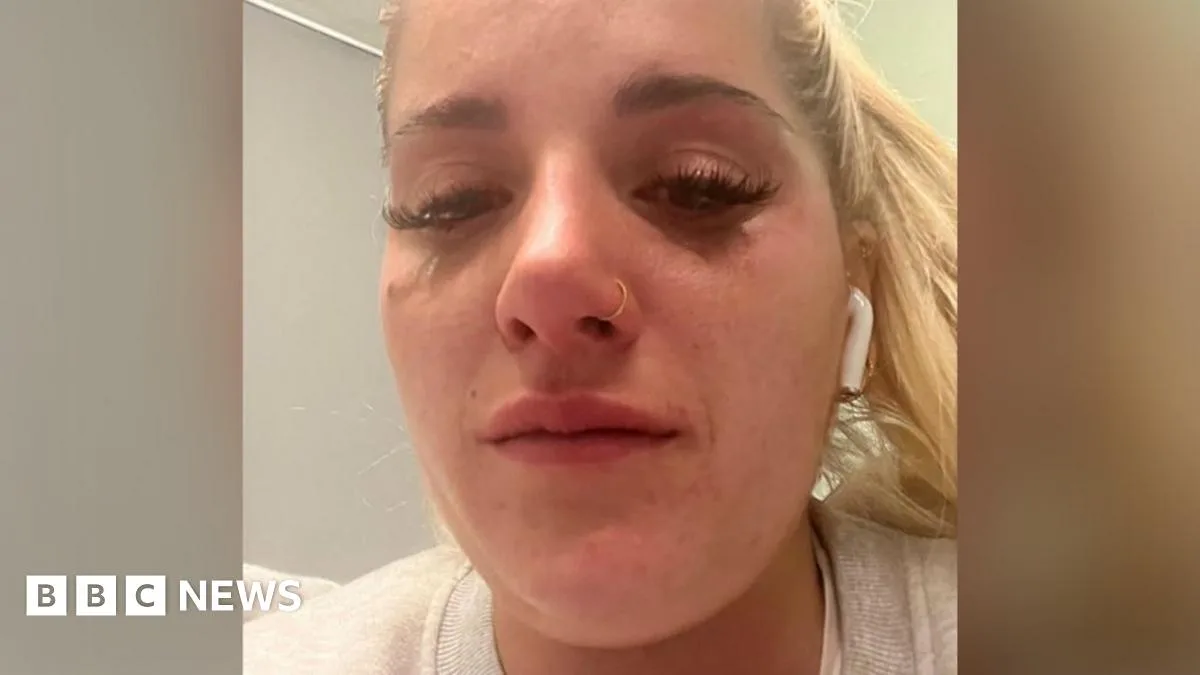
Mother Hospitalised After Using Counterfeit Weight Loss Injections Purchased on WhatsApp
A mother-of-three faced a life-threatening medical emergency after administering fake weight loss injections she bought through a WhatsApp conversation with a beautician. Jodi Jones, from Eryrys in North Wales, purchased four pre-filled syringes at £20 each, only to end up severely dehydrated and vomiting blood within days.
The Descent into Danger
Jodi initially sought weight loss assistance through her GP, who suggested injections as she aimed to transition from a size 14 to a size 10. Frustrated by a months-long NHS waiting list, she turned to a friend who had successfully used so-called "skinny jabs" obtained from a beautician. The friend provided the contact number, and Jodi arranged the purchase via WhatsApp, receiving a generic information leaflet and the injections delivered in a padded envelope.
After the first injection, Jodi experienced nausea within six hours, followed by a complete loss of appetite the next day. "I just felt so full, like my stomach felt like I'd just drunk a huge McDonald's milkshake or something," she recounted. Despite losing half a stone in the first week, the second injection triggered violent vomiting all night. Twenty-four hours later, her condition deteriorated rapidly. She was in and out of consciousness, vomiting blood and bile, unable to retain any food or fluids.
Emergency Hospitalisation and Diagnosis
Feeling dizzy and unable to stay awake, Jodi contacted her eldest daughter, who rushed her to Wrexham Maelor Hospital. Medical staff diagnosed her with severe clinical dehydration, administering an IV drip after 48 hours without sustenance to prevent further deterioration. "They said without those fluids, without the children looking after me and getting me to the hospital, I would have deteriorated quite badly," Jodi explained, acknowledging the situation posed a genuine risk to her life.
Doctors later confirmed that the injections were counterfeit, not the semaglutide she believed she had purchased. When Jodi's mother confronted the beautician, the seller was dismissive and refused to disclose the original pharmacy source, a typical red flag for scams.
Ongoing Recovery and Public Warning
Nearly two years after the incident, Jodi continues to experience health complications from the fake injections. She has since appeared on television programmes like Channel 5's Weight Loss Scams: Don't Get Caught Out and ITV's Good Morning Britain to warn others. Her advice is unequivocal: consult a GP and pursue weight loss injections through proper medical channels like a dietician or the NHS, rather than risking unregulated sources.
"Go to a GP and do it properly through a dietician. If it's something you're really interested in, do not do it through a beautician," she urged. "After my experience, I couldn't even risk it. Why pay for it when you can go through the NHS if you need it that badly? There are some women out there using it who don't even look like they need it. Don't. It's just really not worth it."
This case underscores the perils of purchasing medical treatments from unverified online sellers, emphasising the critical importance of obtaining healthcare products through legitimate, regulated providers to ensure safety and efficacy.






