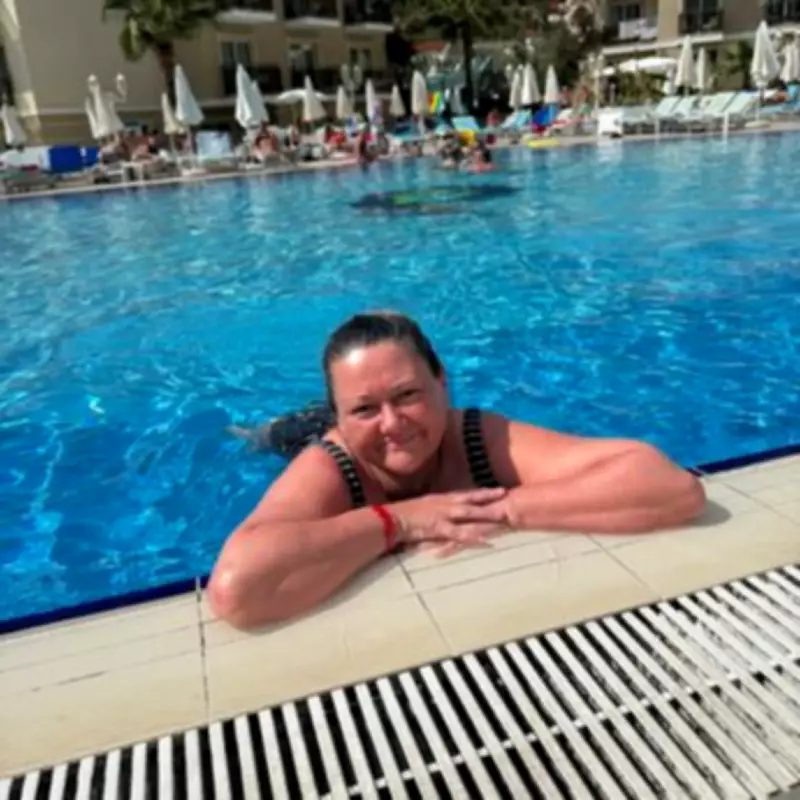
Family Campaigns for Change After Tragic Death from Unregulated Skinny Jab
The grieving family of a woman who died just days after receiving an unregulated £20 'skinny jab' has met with Health Secretary Wes Streeting to demand a crackdown on the illegal sale of weight loss medications. Karen McGonigal, a 53-year-old from Salford in Greater Manchester, passed away in May last year after being illegally administered a dose of unregulated semaglutide at a local beauty salon.
Campaign for Safer Access and Stricter Penalties
Karen's daughters, Abbie and Ffion McGonigal, are leading a campaign calling for two crucial changes: tougher penalties for those caught selling unsafe weight loss injections, and greater availability of licensed drugs through the National Health Service. "If we can stop one person from going through what we've been through, at least we've done something," Abbie McGonigal told ITV News during an emotional interview.
The family's tragedy represents the first publicly acknowledged death in the United Kingdom linked to counterfeit so-called 'skinny jabs.' Weight-loss injections can only be legally and safely dispensed with a prescription from qualified healthcare professionals such as doctors or pharmacists.

Health Secretary Acknowledges Systemic Issues
During their meeting with the McGonigal family, Health Secretary Wes Streeting praised their courage in coming forward with their mother's story. "I think a lot of people have sat up and listened... because you've been courageous enough to come forward and tell your mum's story," Streeting told ITV News.
The Health Secretary acknowledged the fundamental problem driving people toward dangerous alternatives: "The reason why your mum went to a different supplier is because it's not yet available to everyone on the NHS who might qualify and benefit," he explained to the family. "So I feel that pressure to make sure... people aren't forced to go private, especially if it's dangerous and risky."
Tragic Sequence of Events
Karen McGonigal's tragic journey began when she was unable to obtain the medication through her general practitioner. Desperate for treatment, she turned to a beautician offering the injections for just £20 each. Merely four days after her final injection, Karen was rushed to hospital in critical condition. After two agonizing days in intensive care, her life support was ultimately turned off.
While the family awaits definitive test results, they strongly suspect the unlicensed weight-loss injections caused their mother's untimely death. "They're not qualified, they're not trained but people assume that because it's on the high street, it must be all right," Streeting noted, highlighting the dangerous misconception that leads people to trust unregulated providers.
Regulatory Response and Family Hopes
The meeting included representatives from the Medicines and Healthcare products Regulatory Agency (MHRA), Britain's medicines regulator. Following the discussions, Ffion McGonigal expressed that the family felt genuinely heard. "I feel like we've really been listened to - like we've been heard," she told reporters.
Abbie believes her mother would be "so proud" of their efforts to prevent similar tragedies. "I do hope they follow it through, to stop anybody going through what we have - just so nobody else has to feel that pain," she said emotionally.
Government Commitment to Action
After the meeting, Wes Streeting issued a statement acknowledging the family's campaign. "It is a testament to Abbie and Ffion's courage and compassion that they want the devastating loss of Karen to warn others about the serious risks posed by taking black-market weight loss medication," the Health Secretary stated.
He confirmed that "the government is working with the MHRA to see what more can be done to stamp out the illegal sale of unlicensed weight loss drugs and to alert the public to the real dangers of accessing medication from unregulated providers." This commitment comes as safe supplies of weight loss treatment became available on the NHS in June last year, following research into the health risks associated with visceral fat around vital organs.

The McGonigal family's campaign continues to gain momentum as they seek to transform their personal tragedy into systemic change that could save countless lives across the United Kingdom.