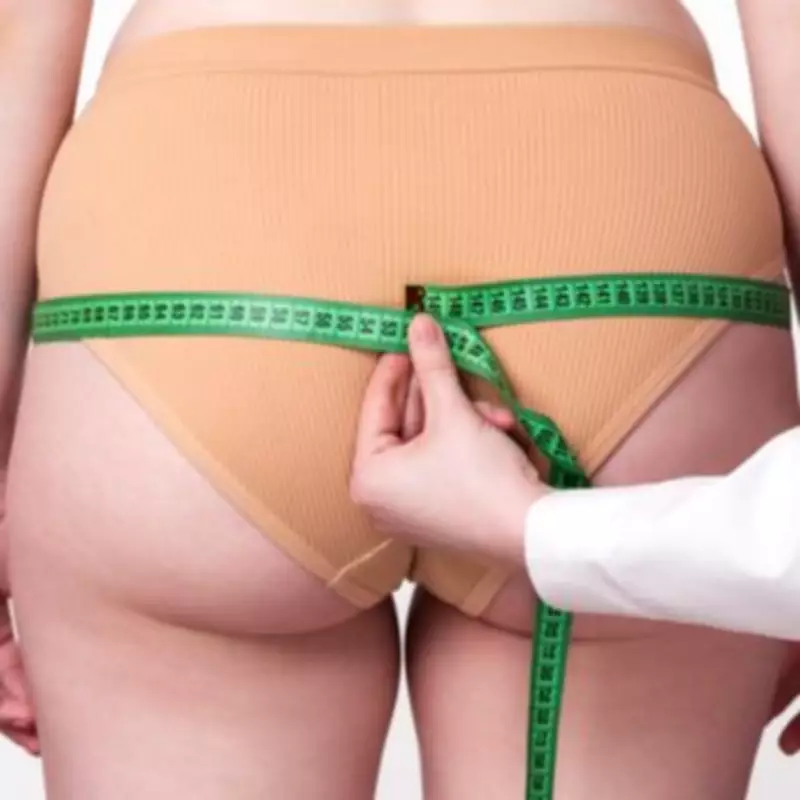
The Government is facing urgent calls to immediately ban Brazilian butt lifts (BBLs) and accelerate regulation of the non-surgical cosmetic industry, which MPs describe as a "wild west" where procedures are performed in unsafe locations like garden sheds and public toilets.
Immediate Ban on High-Risk Procedures Demanded
The Women and Equalities Committee (WEC) has issued a stark warning, stating that high-harm procedures such as liquid Brazilian butt lifts, which have resulted in fatalities, should be prohibited without further consultation. The committee argues that the Government is "not moving quickly enough" in introducing a licensing system for non-surgical cosmetic procedures, leaving the public at risk.
Unregulated 'Wild West' Puts Patients in Danger
Currently, there is no regulation governing who can perform non-surgical cosmetic procedures, including injectables like fillers or Botox, laser therapy, or chemical peels. This lack of oversight has created an environment where individuals without formal training can operate, often in inappropriate settings such as Airbnbs, hotel rooms, garden sheds, and public toilets.

The committee's report highlights that this has led to "many individuals experiencing serious harm," with procedures posing a "serious threat to patient safety." They welcomed Government proposals to restrict high-risk procedures to specified health workers, which would act as a "de facto ban," but insist on immediate action rather than delays.
Heartbreaking Testimonies Highlight Risks
During the investigation, the committee heard tearful testimony from Sasha Dean, who was admitted to intensive care with sepsis and hospitalized for five weeks after a BBL went wrong. In another tragic case, Alice Webb, a 33-year-old mother-of-five from Gloucestershire, died following a liquid BBL in September 2024.
These incidents underscore the lethal dangers associated with unregulated cosmetic treatments, prompting MPs to push for swift regulatory changes to prevent further harm.
Social Media Influence and Data Gaps
MPs also raised concerns about the role of social media and face-editing technologies in driving demand for cosmetic procedures, with influencers "normalising" high-risk interventions. Additionally, the committee recommended that the NHS should record data on cosmetic procedures performed abroad to improve safety for Britons traveling for treatments.
In 2024, Health Secretary Wes Streeting pledged to enhance safety measures for those seeking cosmetic procedures overseas, following several deaths, but the WEC stresses that domestic regulation remains critically lacking.
Government Response and Future Steps
Sarah Owen, chairwoman of the WEC, emphasized the need for urgency: "Procedures that are deemed high risk such as liquid BBLs and liquid breast augmentations, which have already been shown to pose a serious threat to patient safety, should be banned immediately. There is no need for further consultation and delay."
She added that regulation has not kept pace with the sector's expansion, noting that over a decade ago, the head of the NHS warned that cosmetic interventions offered no more protection than buying a toothbrush—a situation that has only worsened with increased injuries.
A Department of Health and Social Care spokesperson responded: "This Government is taking action to crack down on cosmetic cowboys and root out dangerous treatments. Our tough new measures will ensure only qualified healthcare professionals will be able to perform the highest-risk procedures."
The spokesperson advised the public to check providers' qualifications and insurance and avoid suspiciously cheap treatments, adding that the department will consider the WEC's report and respond fully in due course.
The committee's report calls for a licensing system for lower-risk procedures to be introduced within this Parliament, ensuring only suitably qualified individuals can perform them, as part of broader efforts to safeguard patient health in an increasingly risky cosmetic landscape.