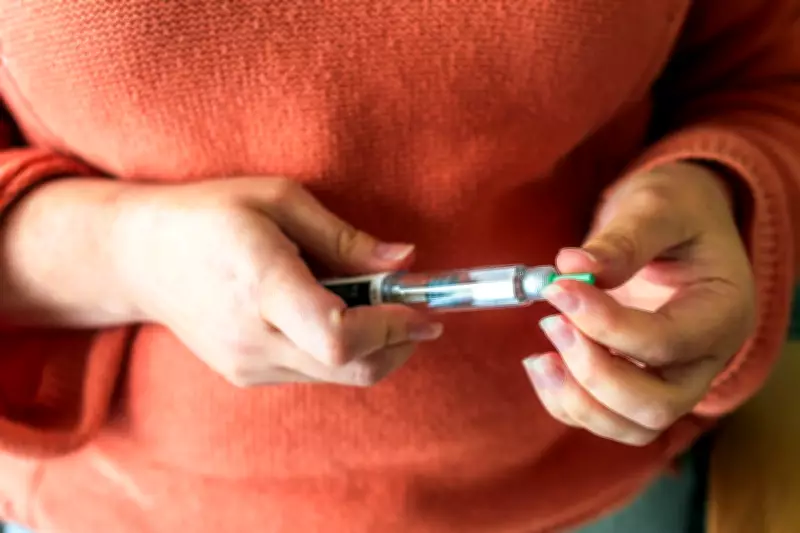
Middle Class Dominates Weight-Loss Jab Use as Poorer Areas Miss Out
New research has uncovered a stark divide in the use of weight-loss injections, revealing that women and individuals from middle-income backgrounds are predominantly accessing these treatments. An analysis of over 113,000 private prescriptions by the Health Foundation and Voy found that nearly 80 per cent of prescriptions for drugs like Mounjaro are for women, highlighting a significant gender disparity in usage.
Demographic Trends in Weight-Loss Jab Uptake
The study indicates that the highest uptake of these injections is among men and women aged 30 to 49, suggesting a strong demand in middle-aged demographics. However, this trend is not evenly distributed across socioeconomic groups. People residing in the most deprived regions are approximately a third less likely to receive these jabs, despite these areas having substantially higher obesity levels. This discrepancy points to deep-seated inequalities in healthcare access and affordability.
Inequalities in Treatment Access and Timing
Further findings from the research show that individuals in more deprived areas tend to start treatment at a higher body mass index (BMI) compared to their wealthier counterparts. This delay in intervention could exacerbate health outcomes and underscores the barriers faced by lower-income populations in obtaining timely medical care. The data suggests that financial constraints and limited healthcare resources may be contributing factors to this inequity.

NHS Rollout and Private Prescription Dynamics
While NHS England has initiated a phased rollout for Mounjaro, the vast majority of patients currently pay for these medications privately. This reliance on private prescriptions highlights the gaps in public healthcare provision and raises concerns about the accessibility of innovative treatments for all socioeconomic groups. The study's insights come amid ongoing debates about healthcare funding and the need for more inclusive policies to address obesity and related conditions.
The research underscores the urgent need for targeted interventions to bridge the gap in weight-loss jab usage, ensuring that deprived communities are not left behind in the fight against obesity. As discussions continue, stakeholders are calling for a reevaluation of healthcare strategies to promote equity and improve public health outcomes across the UK.