Measles Outbreak Sparks Mandatory Vaccine Debate: Experts Sound Alarm
As measles cases surge in England, sparking a concerning outbreak in north London, experts are raising the alarm over the highly contagious virus. The Mirror is now asking readers to weigh in on a critical question: Should vaccines against measles be made mandatory? This debate comes amid reports of several children requiring hospital treatment after becoming infected, highlighting the urgent need for action.
Rising Cases and Health Risks
Measles is one of the most infectious diseases affecting humans, with the potential to cause serious complications if it spreads to vital organs like the lungs or brain. In rare cases, it can lead to pneumonia, meningitis, blindness, and seizures. The current outbreak, primarily occurring in schools and nurseries in north-east London, has resulted in 96 laboratory-confirmed cases in England, with 61 in London and 25 in the West Midlands. Most cases involve children aged between five and 10, followed by those aged one to four.
The UK recently lost its World Health Organisation measles elimination status after approximately 2,900 cases were recorded in England in 2024, the highest number in decades. This setback is largely attributed to declining vaccination rates, which have fueled the spread of the virus.

Vaccination Rates Plummet
Uptake of the MMR vaccine, which protects against measles, mumps, and rubella, has hit record lows in some areas. For instance, in Hackney, only 65.3% of 2-year-olds have received the vaccine, while in Enfield, the rate drops to just 64.3% for 5-year-olds. This decline is a key factor behind the increasing number of measles cases, as lower vaccination coverage leaves communities more vulnerable to outbreaks.
Symptoms and Spread
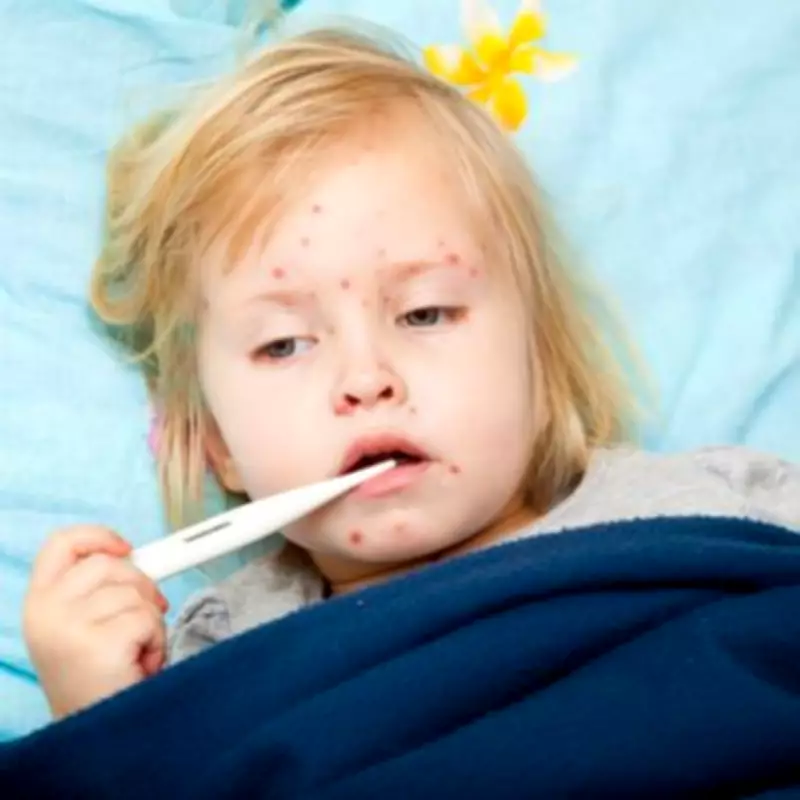
Measles typically begins with cold-like symptoms, including a high temperature, runny or blocked nose, sneezing, cough, and red, sore, watery eyes. A few days after infection, small white spots may appear inside the cheeks and on the back of the lips. Following these initial symptoms, a rash often develops, starting on the face and behind the ears before spreading to the rest of the body. On white skin, the rash appears brown or red, while it can be harder to see on brown or black skin.
The highly contagious nature of measles means it can spread rapidly, especially in settings like schools where children are in close contact. This underscores the importance of vaccination to prevent further outbreaks and protect public health.
Public Opinion and Policy Implications
As the debate over mandatory vaccination heats up, public input is crucial. The Mirror's poll invites readers to share their views on whether vaccines should be compulsory, reflecting broader discussions on public health policy and individual liberties. With experts warning of potential increases in cases if vaccination rates do not improve, the outcome of this debate could have significant implications for future health strategies in the UK.
In summary, the measles outbreak in England serves as a stark reminder of the importance of vaccination. As cases continue to rise, the call for mandatory measures grows louder, prompting a nationwide conversation on how best to safeguard communities against this dangerous virus.