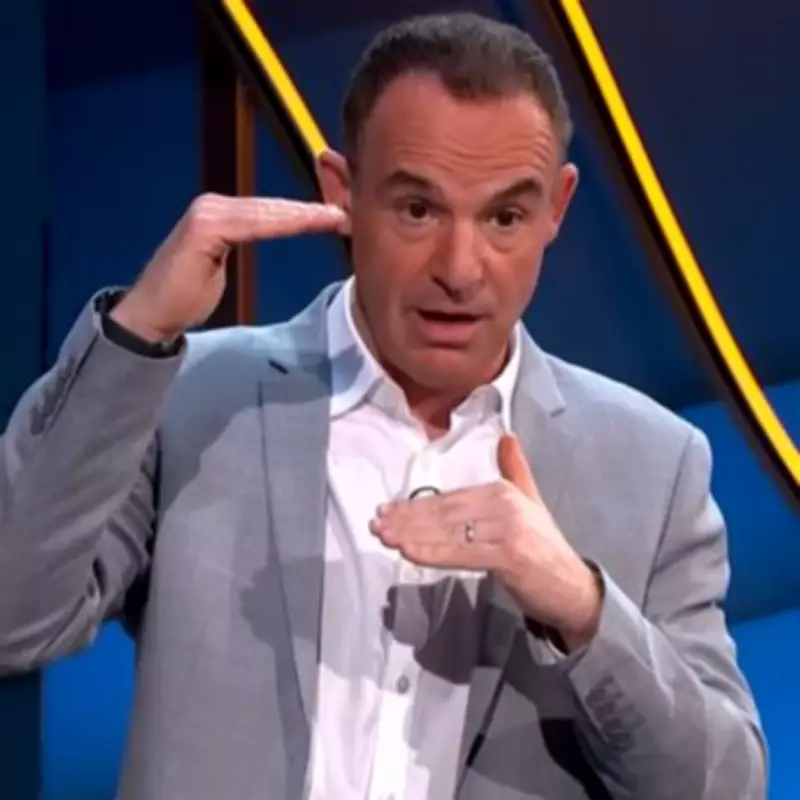
Martin Lewis Sounds Alarm Over Pension Planning Dangers
Consumer expert Martin Lewis has issued a stark warning to pensioners and couples about a potentially devastating oversight in household financial management. Speaking on his BBC podcast, the Money Saving Expert founder highlighted what he termed the "significant risk" facing those who fail to properly share financial knowledge within relationships.
The Perilous 'Three Ds' Principle
Lewis introduced a crucial framework he calls the "three Ds" - representing death, divorce, and dementia - which could wreak havoc on household finances if only one partner understands the complete financial picture. He emphasized that this isn't merely about convenience but about fundamental financial security.
"The problem with one person handling everything," Lewis explained, "is that if they're not communicating properly with their partner, and if there isn't a comprehensive financial factsheet detailing every provider and decision, then when one of the three Ds strikes the financially knowledgeable partner, it can leave the other partner completely stranded and vulnerable."

Experts Echo the Warning
Relationship specialists have strongly endorsed Lewis's concerns. Dr. Lalitaa Suglani, a relationship expert with dating platform eharmony, confirmed this represents a particularly acute problem for older couples approaching or in retirement.
"I've witnessed this scenario repeatedly, and the risks become profoundly significant when just one partner comprehensively understands household finances," Dr. Suglani stated. "This becomes especially critical for older couples regarding retirement planning and pension management. If the financially literate partner becomes incapacitated or passes away, the surviving partner faces not only emotional trauma but must suddenly navigate complex financial systems they may barely comprehend."
Consequences of Financial Imbalance
The experts outlined multiple serious consequences that can emerge from this financial knowledge gap:
- Missing out on entitled pension benefits and other financial entitlements
- Increased vulnerability to financial scams and exploitation
- Creating unhealthy dependency dynamics within relationships
- Reduced confidence and decision-making capability in the less knowledgeable partner
- Difficulty managing investments, income streams, and household budgeting
Dr. Suglani emphasized this issue transcends age demographics: "It's crucial to recognize this isn't limited to older couples. Unexpected illness or tragedy can occur at any life stage. Over time, this financial imbalance can establish dynamics where one partner becomes excessively financially dependent, potentially eroding their confidence and limiting their ability to make informed decisions later in life."
Research Reveals Communication Gaps
Supporting research from eharmony uncovered concerning communication patterns. Their study found that only 38% of individuals aged 40 to 69 would discuss retirement planning with someone they're romantically involved with when considering a long-term relationship.
Dr. Suglani advocated for proactive financial transparency: "Being open about debt, spending habits, and financial pressures early in relationships doesn't need to feel burdensome. This transparency helps prevent misunderstandings and enables both partners to make confident, informed decisions together, ultimately strengthening relationship security."
Practical Recommendations for Couples
Both experts provided clear guidance for couples seeking to mitigate these risks:

- Ensure both partners understand basic household income and expenditure
- Maintain a detailed financial factsheet listing all providers and accounts
- Document the reasoning behind significant financial decisions
- Regularly review financial arrangements together
- Discuss retirement planning early in serious relationships
- Consider professional financial advice for complex pension arrangements
Lewis concluded with practical advice for couples with one primary financial manager: "It's perfectly acceptable for one person to lead family finances, provided their partner understands the decisions being made and possesses sufficient detail and explanation to assume control relatively seamlessly if circumstances change dramatically."