The Troubling Rise of Longevity Fixation Syndrome
An unofficial diagnosis describing an anxiety-driven, compulsive obsession with living as long as possible is gaining attention among mental health professionals. Termed longevity fixation syndrome, this condition involves meticulous monitoring of diet, exercise, and biomarkers, but it often comes at a significant emotional cost, leading to breakdowns and social isolation.
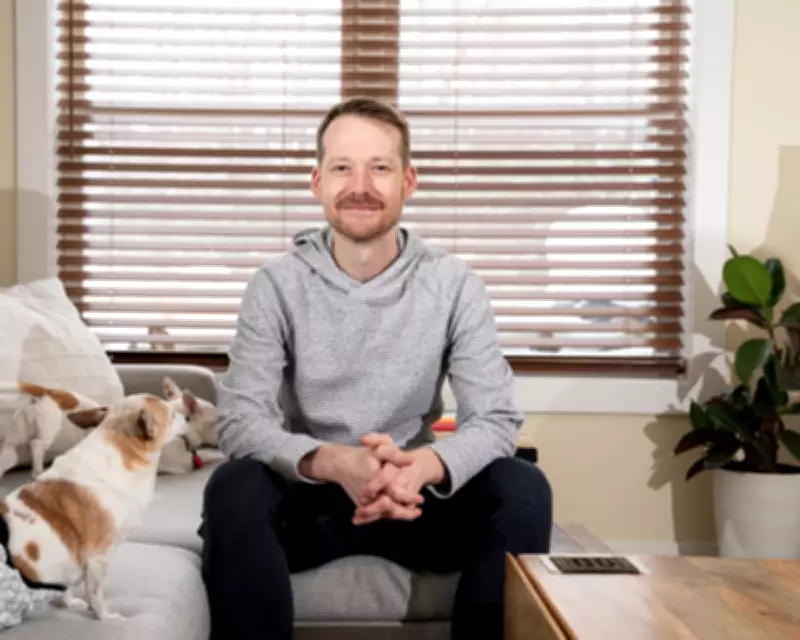
Jason Wood's Breaking Point
For Jason Wood, a 40-year-old from Grand Rapids, Michigan, the breaking point was a simple restaurant mix-up involving pitta bread and hummus instead of vegetable crudites. This minor deviation from his preordered meal triggered a profound emotional collapse. "I hit rock bottom, I got angry ... I started crying, I started shaking," Wood recalls. "I just felt like I couldn't do it any more, like I had been crushed by all this pressure I put on myself."
At the height of his obsession, Wood maintained a rigid routine: waking before sunrise at 4am for workouts, consuming specific meals like chia seed pudding and chickpea salads, and tracking every bodily function from heart rate to glucose levels. He spent approximately $10,000 on wellness treatments, including IV vitamin drips and oxygen therapies, all in pursuit of extending his lifespan. His motivation stemmed from a deep-seated fear of death, exacerbated by the premature loss of his parents to cancer.

Defining the Syndrome
The term longevity fixation syndrome was recently coined by Jan Gerber, CEO of the Swiss clinic Paracelsus Recovery, who reports a significant increase in patients exhibiting similar behaviours. Gerber notes parallels with orthorexia, an eating disorder fixated on "clean" eating, but with added variables like biomarker tracking that heighten anxiety. Wood agrees, stating, "I believe many of the underlying factors and desired outcomes which fuel orthorexia are the same for longevity fixation syndrome."
While some critics question the validity of new diagnostic labels, therapists across the US, Europe, and the UK confirm that symptoms are a growing problem. The issue transcends wealth brackets, affecting individuals from various societal strata who are consumed by the desire to control their mortality through biohacking and health optimisation.
The Biohacking Boom and Celebrity Influence
Longevity clinics and biohacking practices have proliferated, moving beyond Hollywood elites to the affluent mainstream. The global market for anti-ageing and longevity solutions was valued at $63.6 billion in 2023, with projections reaching $247.9 billion by 2030. Celebrities like Orlando Bloom and Jennifer Aniston have popularised treatments such as blood filtering and peptide injections, while influencers promote habits like cold plunges and supplements.
At the extreme end, figures like venture capitalist Bryan Johnson aim for immortality through plasma infusions and biomarker algorithms. However, research from the Proceedings of the National Academy of Sciences suggests that no generation born after 1939 is expected to reach an average age of 100, casting doubt on the efficacy of these methods.
Mental Health Fallout and Recovery
Mark, a 26-year-old from the Netherlands, experienced panic attacks driven by a fear of death, leading him to optimise his health with supplements, gym sessions, and sleep tracking. "My social life did suffer," he admits. After seeking therapy, he learned to accept fear without feeding it, recognising that mental health is as crucial as physical health.
Dr. Sarah Boss, clinical director at Balance Rehab Clinic, estimates that half of her clients now show traits of longevity fixation syndrome, with numbers rising over the past two years. She describes cases of clients spending tens of thousands on blood tests and bringing hyperbaric oxygen chambers on trips. Many are driven by childhood trauma or existential fears, exacerbated by the Covid-19 pandemic.

Treatment often involves reconnecting patients with their bodies through yoga, breath work, and sports for enjoyment, rather than data tracking. Therapy focuses on acceptance of death and addressing underlying insecurities. Wood, now recovered and working in mental health advocacy, emphasises the challenge of recovery in a society saturated with influencer content. "It's very difficult to recover in a society like this," he says.
Growing Awareness and Support
Lina Mookerjee, a psychotherapist in Cumbria, reports that 75% of her clients exhibit symptoms of longevity fixation syndrome, often linked to hypervigilance and loss of trust in personal judgment. She identifies a "superhero syndrome" where individuals try to override illness or loss, but recovery begins when they acknowledge deep-seated insecurities.
As mental health professionals become more aware of the damaging effects, there is hope for better understanding and support. Wood concludes, "It's nice to finally have a term to apply to it. With a proper name and better understanding of what they are facing, I believe more people will be able to access the treatment and support they deserve."