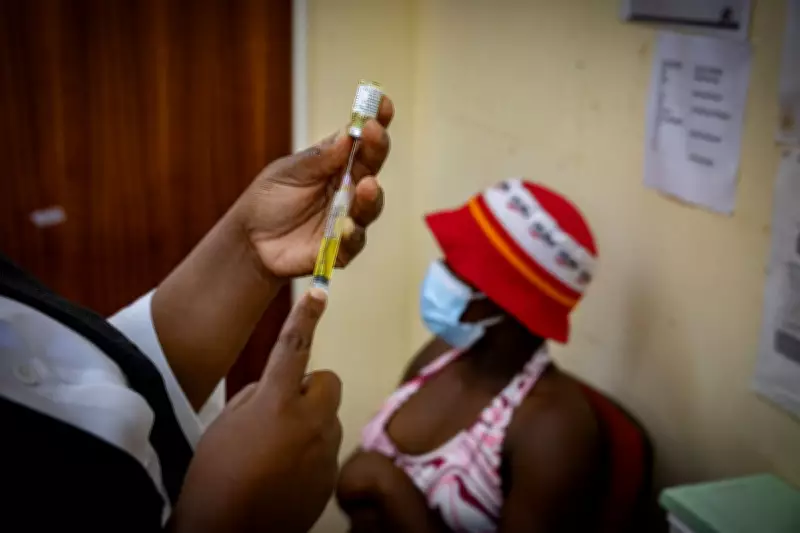
Kenya has emerged as one of the pioneering nations to initiate the distribution of lenacapavir, a novel medication widely celebrated as a major advancement in the global battle against HIV. This rollout marks a significant milestone in public health efforts, particularly in a country grappling with high HIV prevalence rates.
Exclusion of Informal Settlements Raises Alarm
Despite the promising nature of this development, the initial phase of the drug's distribution has notably omitted informal settlements, including the densely populated Kibera area in Nairobi. This exclusion has ignited widespread concerns regarding equitable access to healthcare, as these communities are often among the hardest hit by the HIV epidemic.
Barriers to Access for Vulnerable Populations
Residents in excluded regions face substantial obstacles in obtaining lenacapavir. Key challenges include prohibitive transport costs and considerable distances to the designated health facilities where the drug is available. These barriers disproportionately affect low-income individuals, exacerbating existing health disparities.

While lenacapavir is currently provided free of charge, there are growing apprehensions about its future pricing. Even with planned subsidies, the cost could remain unaffordable for many in impoverished communities, potentially limiting long-term access and undermining the drug's public health benefits.
Advocacy for Community-Centered Approaches
Health experts and advocacy groups are strongly urging a shift towards a more community-rooted strategy for drug delivery and patient retention. They argue that the current healthcare system fails to adequately address the unique needs of vulnerable populations, such as those in informal settlements.
By integrating local community structures into the distribution process, it is believed that access could be significantly improved, ensuring that life-saving treatments reach all segments of society. This approach emphasizes the importance of tailored healthcare solutions that consider socio-economic factors and logistical realities.
The rollout of lenacapavir in Kenya represents a critical juncture in HIV prevention, yet it also highlights persistent inequalities in health resource allocation. Addressing these disparities is essential to maximize the drug's impact and foster a more inclusive public health framework.