Jeju Island to Pay Grandparents for Childcare Following Seoul's Model
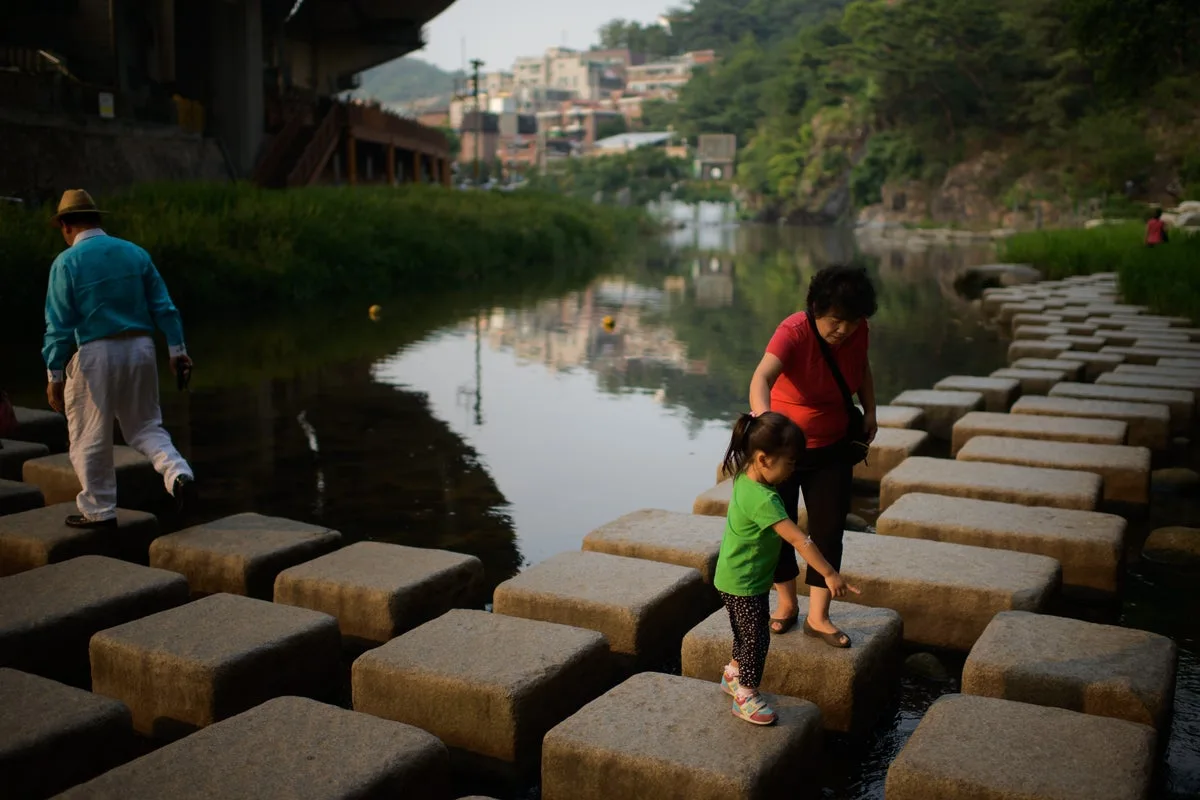
South Korea's Jeju Island is set to introduce a groundbreaking initiative that will provide grandparents with a monthly stipend of approximately $200 for looking after their grandchildren. This move follows the remarkable success of a similar programme in Seoul, which has garnered near-universal approval from participating families. The scheme represents a strategic effort by local governments to bolster childcare support and combat the nation's persistently low birth rates.
Programme Details and Eligibility Criteria
According to public broadcaster KBS, the programme is scheduled to commence in March. It will financially compensate grandparents who step in to care for young children, thereby reducing reliance on formal childcare services. The Jeju provincial assembly has already approved the initiative, drawing inspiration from Seoul's "grandchild care allowance" programme launched in 2023.
To qualify for the allowance, families must meet specific conditions:
- Children must be aged between two and three years old.
- The household income cannot exceed 150% of the national median.
- Families must be experiencing childcare shortages, such as dual-income households, single-parent families, or those with multiple children.
- Grandparents or other relatives must provide at least 40 hours of childcare per month.
Authorities apply a 25% deduction to the combined income of dual-income couples when assessing eligibility, making the programme more accessible to working families.
Overwhelming Success in Seoul
A February survey conducted by the Seoul government revealed extraordinary satisfaction levels among participants. An impressive 99.2% of grandparents providing childcare expressed contentment with the programme, while 99.5% indicated they would recommend it to others. By the end of 2025, 5,466 individuals had benefited from the allowance in Seoul, according to a report by Korea JoongAng Daily.
The programme reflects a significant shift in childcare dynamics within South Korea. Rising living costs and evolving work patterns have increasingly positioned grandparents as vital support systems for young families. "I want to give my parents money for taking care of my children, but I'm glad the city is supporting them on my behalf," shared a parent identified as Jeong in an interview with The Korea Herald.
Demographic Impact and Broader Childcare Initiatives
Policies aimed at alleviating childcare burdens have become a top priority for governments across East Asia, which are confronting severe demographic challenges. After years of steady decline, South Korea's birth rate showed a promising uptick in 2025. Last year, 254,500 babies were born, marking a 6.8% increase from the previous year and the largest annual rise since 2007. The total fertility rate climbed from 0.75 to 0.80, returning to the 0.8 range for the first time in four years.

While officials caution that it is difficult to confirm direct causation, government incentives are believed to have contributed to this positive trend. "When I received cash benefits, such as a voucher worth 2 million won [$1,362] from the government after my first child, I felt as if the burden of having a second child wouldn't be as heavy as I had expected," explained a woman surnamed Kim, who gave birth to her second child in December, as quoted by Korea JoongAng Daily.
The grandparent stipend is part of a comprehensive childcare support programme launched by Seoul Mayor Oh Se Hoon in 2023. This broader initiative includes parental-leave payments, emergency childcare services, and the creation of city-run indoor playgrounds known as "kids' cafés."
Changing Childcare Patterns and Economic Realities
The growing reliance on grandparents underscores how childcare practices are evolving as more mothers enter the workforce. A 2025 survey by the Ministry of Education found that children now enter institutions like daycare centres or kindergartens at an average age of 19.8 months, a sharp decline from 30 months in 2009.
Concurrently, the economic burden of child-rearing has intensified. The average monthly cost of raising a child has surged to 1.116 million won ($757.6), surpassing the 1 million won threshold for the first time since the government began tracking this data two decades ago.
A policy review by the Seoul Foundation of Women and Family highlighted the demographic breakdown of caregivers within the programme. Maternal grandmothers constituted 54% of supplementary caregivers, followed by paternal grandmothers at 36.4%, while grandfathers accounted for less than 10%.
Parents cited multiple reasons for depending on grandparents for childcare. 48% expressed incomplete trust in professional childcare workers, 46.4% pointed to a lack of emergency childcare options, and 45.6% found managing childcare alone to be challenging.
Ma Chae Sook, deputy mayor for the women and family office in Seoul, emphasised the programme's multifaceted benefits. "Beyond easing financial burdens, the grandchild care allowance is also helping children's healthy development and growth by providing emotional stability through family care," she stated.
As Jeju Island prepares to implement this innovative scheme, the initiative stands as a testament to South Korea's proactive approach to addressing its demographic crisis through family-centric policies.



