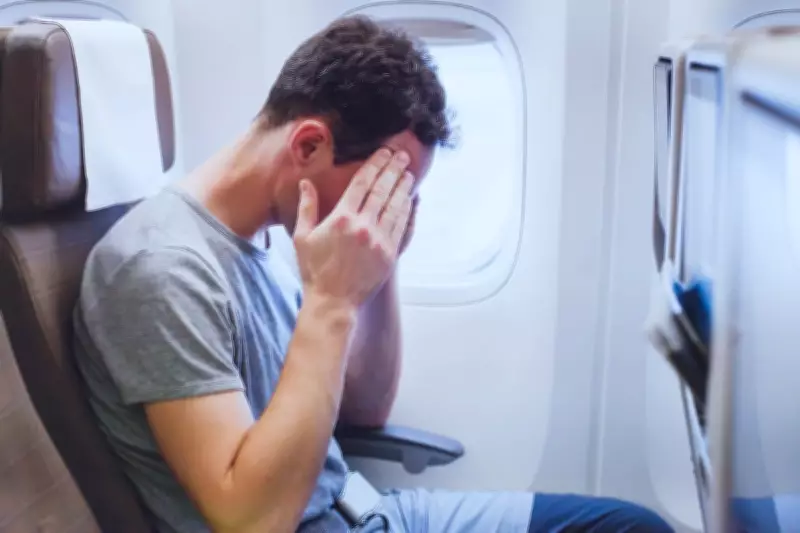
Doctors Reveal Hourly Activity to Combat Flight Fatigue and Sluggishness
Long-haul flights often present the perfect opportunity to catch up on work or finally dive into that novel you've been meaning to read. However, for countless travellers, this initial burst of productivity quickly fades, replaced by an overwhelming sense of sluggishness, bloating, and general discomfort. To unravel the mystery behind this common mid-flight slump, we consulted leading medical experts who have identified the primary reasons why air travel can leave passengers feeling so drained.
Why Flying Makes You Feel Sluggish
Disruption of Normal Routine
"When we are out of our usual routines on a flight, it disrupts what our bodies are accustomed to," explains Dr Asimah Hanif, an NHS GP and medical expert collaborating with travel insurance provider Staysure. "For instance, you might not be used to eating breakfast as early as it is served on a plane, and the meal itself—perhaps an omelette—could be something you don't typically consume. The combination of unfamiliar foods and altered eating schedules can significantly disrupt digestion, leading directly to feelings of sluggishness."

Dr Mark Austin, a gastroenterology specialist at Nuffield Health in Haywards Heath, concurs, adding: "Flying at irregular times of day impacts your physiological state, potentially triggering the release of stress hormones. This can reduce appetite and cause sensations of bloating and discomfort."
Sleep Deprivation and Environmental Factors
"Many passengers struggle to achieve quality sleep on aircraft, and sleep deprivation profoundly affects both digestion and overall wellbeing," notes Dr Austin. Furthermore, the cabin environment itself plays a crucial role. "At altitude, changes in cabin pressure and lower oxygen levels can adversely affect digestion and energy levels," says Dr Hanif. "Additionally, the conditioned air is notably dry, often leading to dehydration and skin dryness, which further contributes to fatigue."
The Impact of Alcohol and Caffeine
"We must exercise caution with alcohol consumption while flying, as its effects can be intensified at altitude, leading to negative outcomes," warns Dr Austin. "Alcohol promotes dehydration, disrupts sleep patterns, and can weaken the muscles at the lower end of the gullet, increasing the risk of reflux. Moreover, its high sugar content can cause blood sugar fluctuations, affecting how your body responds to the stresses of flight."
Regarding caffeine, Dr Austin advises: "When crossing time zones, your body becomes confused about the time of day. Consuming caffeine, a stimulant, can exacerbate this confusion and prolong the effects of jet lag."
Airline Food and Sedentary Behaviour
"Airline meals frequently contain elevated salt levels, reportedly to compensate for altered taste perception at altitude," explains Dr Hanif. "This can result in water retention and digestive processing issues." Dr Austin adds that these meals are often high in carbohydrates and ultra-processed, featuring items like pasta, rice, and bread with low fibre but significant fat content, which can induce sleepiness.
Extended periods of sitting compound these problems. "Sitting for long durations reduces circulation, slows metabolism, and impairs nutrient absorption," highlights Dr Hanif. Dr Austin notes: "Individuals prone to slow gut transit and constipation particularly need to move around. Prolonged inactivity, combined with other factors, significantly raises the risk of digestive issues and excessive gas."
Dehydration Risks
"Aeroplanes operate with very low humidity, substantially increasing the risk of dehydration," says Dr Austin. "Dehydration can trigger a stress response, diverting blood away from non-essential organs like the gut, leading to problems with digestion, bloating, and constipation."
Expert Tips to Prevent Flight Sluggishness
Avoid Stimulants
"The sensible approach is to avoid triggers such as alcohol, coffee, or caffeine before and during a flight," advises Dr Austin.
Choose Lighter Meals

"Opt for a lighter, more balanced meal rather than a heavily starchy, carbohydrate-rich option," recommends Dr Hanif. "Selecting a meal with protein and vegetables will have a less detrimental impact on your body."
Snack Wisely
"If you're not very hungry, snacking is preferable to consuming large meals," suggests Dr Austin. "Bring fruit, nuts, and seeds on board with you."
Stay Hydrated Hourly
"Aim to drink a glass or half a bottle of water every hour," recommends Dr Austin, emphasising the importance of consistent hydration.
Walk Around Regularly
"Make a point to get up and walk around the cabin every two to three hours," advises Dr Austin. "Movement helps dissipate gas if you're experiencing bloating and aids in smoother gut transit."
By understanding these factors and implementing these expert recommendations, travellers can significantly reduce fatigue and discomfort, making their next long-haul flight a more pleasant and energising experience.