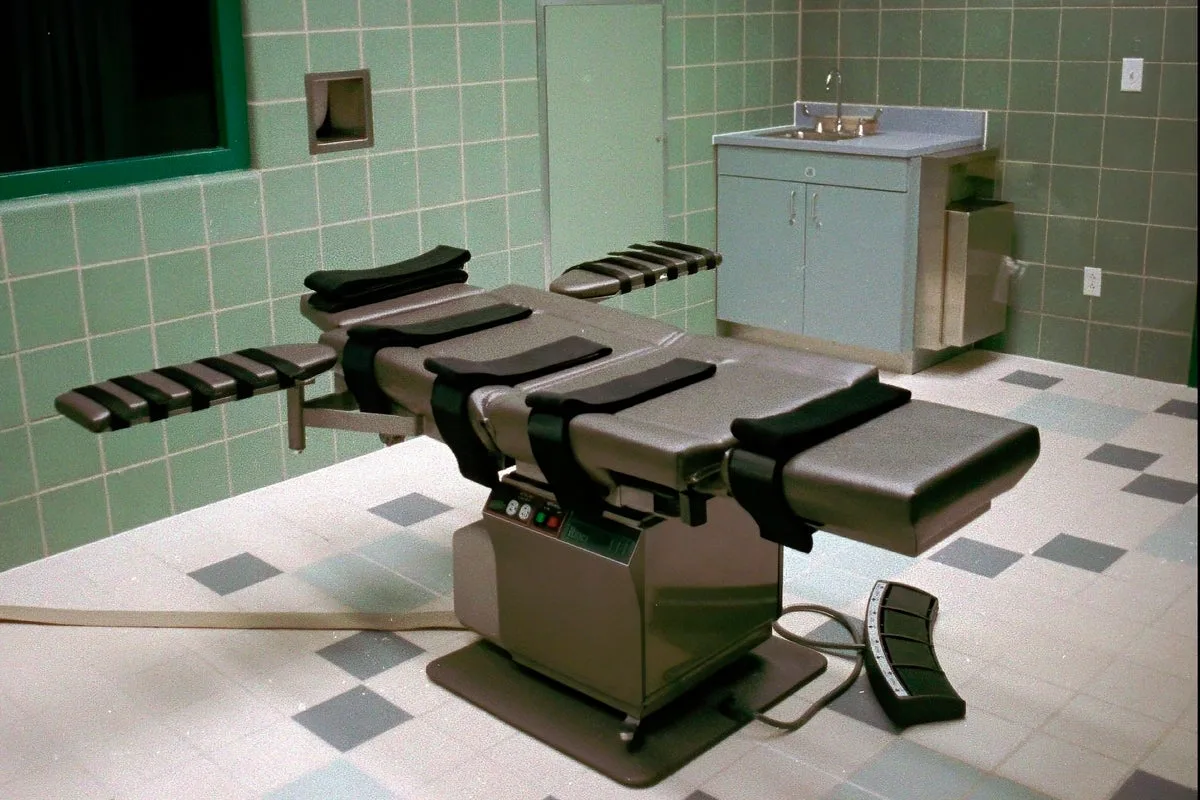
Fifty years after the US Supreme Court in Furman v. Georgia ruled that the death penalty as applied was “cruel and unusual” under the Eighth Amendment, the nation’s highest court is once again examining racial bias in capital punishment. The current case, involving a Mississippi death row inmate, highlights persistent disparities that critics say undermine the moral authority of the state to take a life.
Since the death penalty was reinstated in 1976, 1,540 people have been executed, 80 per cent in the South and nearly a third in Texas alone. Of those executed, 34.1 per cent have been Black, nearly three times their share of the US population. On death rows today, 43.1 per cent of defendants are Black. Fourteen times as many Black defendants have been executed for killing a white victim as white defendants for killing a Black victim.
Since 1973, at least 186 death row inmates have been exonerated, one for every 8.3 executions. At least 20 people have been executed despite strong claims of innocence. Eleven accomplices who did not commit the homicide have been executed; in some cases, the actual killer avoided execution. Forty-three per cent of those executed between 2000 and 2015 had been diagnosed with mental illness.
In 2021, only 18 death sentences were imposed and 11 people executed, both lows since reinstatement. Yet six of those executed were Black, and ten had significant impairments such as mental illness, brain injury, intellectual disability or chronic childhood trauma. Only three states – Alabama, Oklahoma and Texas – accounted for a majority of death sentences and executions since 1976.
Virginia became the first Southern state to abolish the death penalty, while many other states have imposed de facto moratoriums. President Biden, who ran on an anti-death penalty platform, has halted federal executions pending review but continues to seek death sentences in high-profile cases. The current Supreme Court, with six conservative justices, has shown impatience with claims of racial bias, raising concerns about the future of capital punishment in America.