Scotland's largest health board has made a dramatic, last-minute admission that contaminated water at a flagship Glasgow hospital caused serious infections in child cancer patients, with links to four deaths.
A Long-Awaited Admission
In a significant U-turn, NHS Greater Glasgow and Clyde (NHSGGC) has stated it accepts it is "more likely than not" that infections suffered by children at the Queen Elizabeth University Hospital (QEUH) campus had "a connection to the state of the hospital water system". The admission came in closing submissions to the ongoing Scottish hospitals inquiry, established in 2020.
The inquiry is examining the design and construction of the crisis-hit QEUH and the attached Royal Hospital for Children. The health board's submission marks a pivotal moment for families who have spent years seeking answers, stating: "NHSGGC accepts that, on the balance of probabilities, there is a causal connection between some infections suffered by patients and the hospital environment, in particular the water system."

The Tragic Case of Milly Main
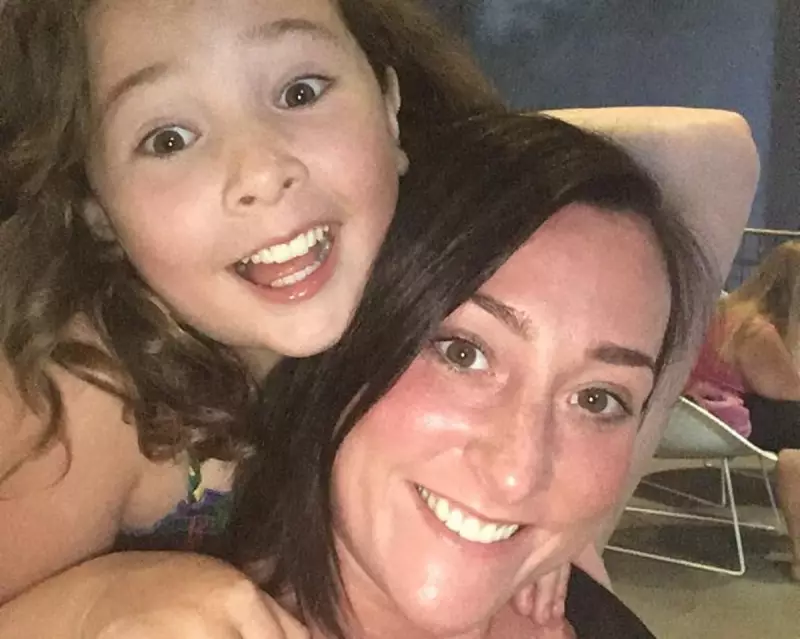
Among the victims was 10-year-old Milly Main, who died in August 2017. Milly had been recovering from leukaemia treatment at the Royal Hospital for Children when she contracted a fatal infection. She was one of two children who died on a cancer ward that was subsequently closed due to water contamination fears.
Milly's mother, Kimberly Darroch, welcomed the board's admission but expressed profound frustration at the six-year fight for truth. "As a mother, I've spent six years fighting for answers that should have been given at the very beginning," Darroch told BBC Scotland News. She described the acknowledgment as a "significant milestone" but highlighted the immense struggle families faced to have the truth recognised.
Political Fallout and Calls for Accountability
The late admission has triggered fierce political reaction. The Scottish Conservatives demanded an urgent statement from Health Secretary Neil Gray. Scottish Labour leader Anas Sarwar, who has long campaigned with the families, hailed the U-turn as a "turning point".
In a newspaper article, Sarwar called the scandal "one of the worst failures in modern Scottish public life" and urged for an existing corporate homicide investigation—in which NHSGGC is a suspect—to be expanded to include SNP ministers he accused of a "cover-up".
The Scottish Government, a core participant in the inquiry, declined to comment further, stating it was inappropriate while the independent inquiry continues. An NHSGGC spokesperson said the board remained "fully committed to supporting the inquiry in its investigations."
The final oral hearings for the inquiry are now underway, with the health board's belated admission set to be a central focus as families continue their pursuit of justice and systemic change.