GP Issues Urgent Warning on Measles Symptoms Amid North London Outbreak
A general practitioner has issued an urgent warning for Britons to familiarise themselves with four "early symptoms" of measles, as health officials confirm a rapidly spreading outbreak across several schools in north London. Measles, a highly contagious viral disease that often begins with cold-like symptoms before developing a distinctive rash, can lead to fatal outcomes in severe instances.
Severe Complications and Rising Case Numbers
The National Health Service cautions that measles can trigger severe complications if it spreads to other parts of the body, particularly affecting the lungs or brain. Potential serious side effects include pneumonia, meningitis, vision loss, and convulsions. According to historical data, there were 20 deaths attributed to measles between 2019 and 2025, matching the total recorded over the 19-year period from 1999 to 2018.
Latest figures from the UK Health Security Agency reveal 96 laboratory-confirmed measles cases in England since January 1 this year. In 2025, there were 959 reported cases, while 2024 saw 2,911 cases—the highest annual number since 2012. The current outbreak has been primarily linked to declining vaccination rates, disproportionately impacting unvaccinated children under the age of 10.

Expert Advice from a General Practitioner
Doctor Rashi Malhotra, a GP at online pharmacy Chemist4U, expressed concern over the measles outbreak affecting children in parts of North London. "Measles isn't simply a childhood rash that children 'get over'; it's an incredibly infectious virus that can cause complications including pneumonia, brain inflammation and hospitalisation, particularly in young children and those who aren't fully vaccinated," she stated.
"When vaccination rates fall below the 95 per cent threshold needed for 'herd immunity', outbreaks become far more likely, and that's exactly what we're seeing. Measles is a preventable illness, so rising case numbers should act as a wake-up call for communities where vaccination uptake has declined."
Dr Malhotra emphasised straightforward, evidence-based steps for parents and carers to protect their families. As part of her guidance, she advised knowing the early signs of measles to enable prompt action.
Four Key Early Symptoms to Recognise
The four primary early symptoms of measles include:
- Fever
- Runny nose
- Cough
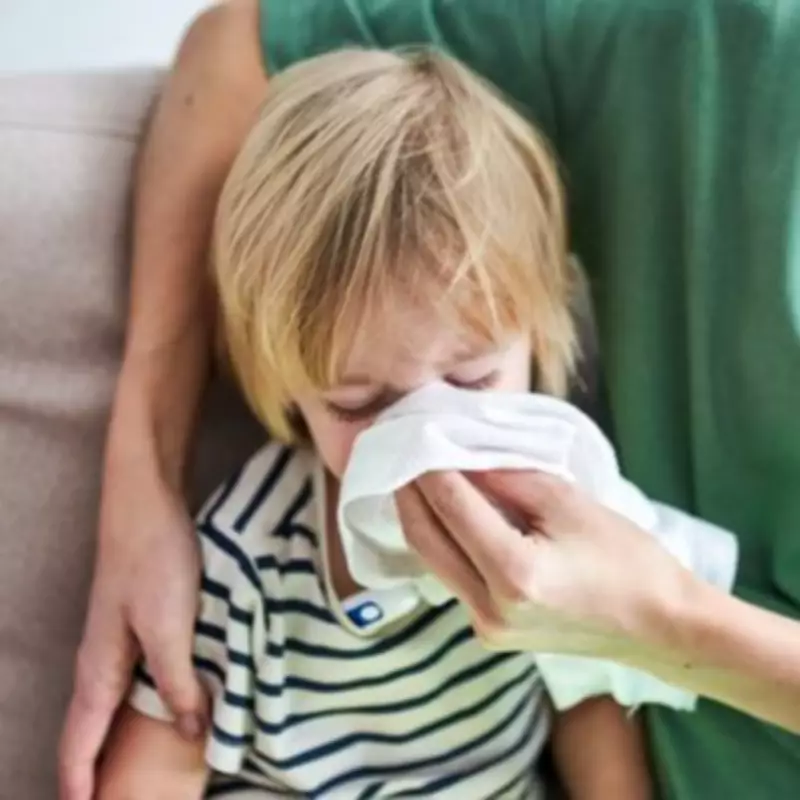
- Red, watery eyes with a discharge (conjunctivitis)
Dr Malhotra explained: "Measles often starts like a common cold, with a fever, runny nose, cough, and red watery eyes with a discharge (conjunctivitis). A few days later, a red-brown, blotchy rash typically appears. It often starts behind your ears or on your face and neck before spreading downwards to your body."
"The rash may look flat in some areas and slightly raised in others, and can merge together as it spreads. Small white spots can also appear inside your mouth before the rash appears."
Practical Recommendations for Prevention and Management
Dr Malhotra shared several crucial recommendations to combat the outbreak:

- Check vaccination records – Ensure children have received both doses of the MMR vaccine, which provides 97-99 per cent protection with two doses compared to 93-95 per cent after one dose. Contact your GP practice if unsure about vaccination status.
- Don't forget adults – Some adults may have missed childhood doses. Verify your own vaccination status, especially before travel or during local outbreaks.
- Keep unwell children at home – Measles spreads through airborne droplets from coughs and sneezes. Children should stay off school or nursery for at least four days after the rash appears.
- Manage symptoms carefully at home – Provide plenty of rest and fluids to prevent dehydration. Use age-appropriate doses of paracetamol or ibuprofen to reduce fever and discomfort.
- Seek urgent medical advice – Contact a clinician if signs of breathing difficulties, persistent high fever, drowsiness, dehydration, convulsions, or significant worsening occur.
- Seek advice quickly – If a child has been exposed to a confirmed case and isn't fully vaccinated, contact your GP or NHS 111 promptly, as early vaccination after exposure may reduce illness severity.
- Don't be misled by vaccine myths – The MMR vaccine has been extensively studied over decades and is proven safe and effective.
The MMR vaccine remains the most effective method of protection against measles, highlighting the importance of maintaining high vaccination rates to prevent future outbreaks and safeguard public health.