Doctor's Personal Reflection Reveals Gender Imbalance in Elderly Care
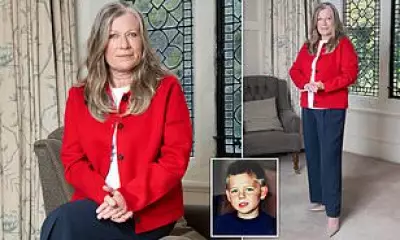
As her daughter celebrates her eighteenth birthday, oncologist Ranjana Srivastava finds herself contemplating the future of caregiving within her own family. Through her professional experience in geriatric oncology, she has witnessed firsthand the disproportionate burden placed on women when it comes to caring for elderly relatives.
The Front-Row Seat to Caregiving Realities
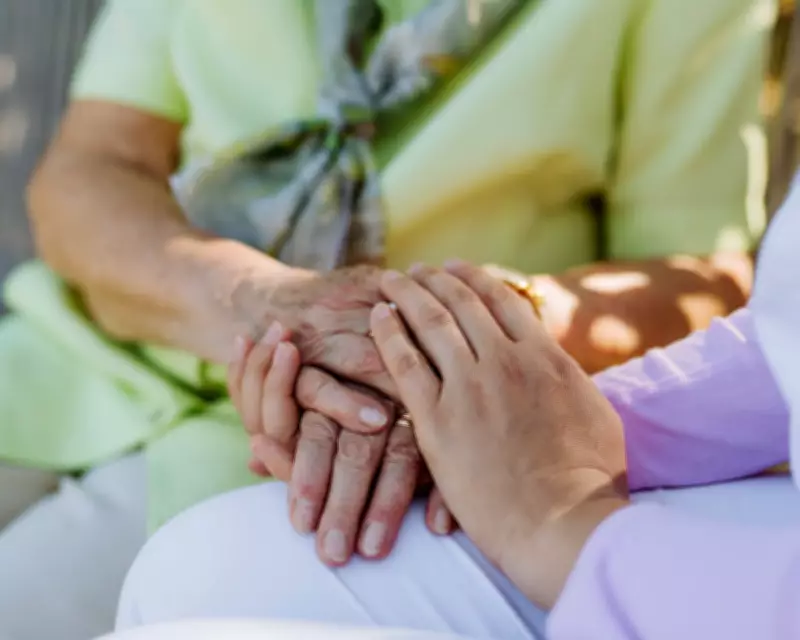
As a medical professional specializing in elderly cancer patients, Srivastava has observed consistent patterns in who accompanies patients to appointments. "I have watched with interest to see who shows up with my patients," she notes. "In my experience, it's almost always a woman."
These women come in various relationships to the patient:

- Daughters and daughters-in-law
- Nieces and granddaughters
- Female friends and neighbors
- Women from community groups like church or social clubs
When appointments transition to telehealth due to health or weather concerns, it is typically these same women who facilitate the video connections and take detailed notes during consultations.
The Practical Consequences of Gender Disparity
Srivastava highlights a telling contrast in how different family members approach caregiving responsibilities. "It's not uncommon for a son to say, 'I don't know, you'll need to ask my sister,'" she observes. "A daughter will pull out her diary."
This dynamic creates practical challenges. When medical professionals need information that only the sister possesses, they must interrupt her day—often during work hours—leading to frustration for both parties. The daughter frequently laments that she might as well have attended the appointment herself.
The oncologist notes that it's common to see multiple daughters coordinating their efforts during important medical visits. One asks questions, another takes notes, while a third provides eyewitness accounts of the patient's condition. This collaborative approach ultimately benefits the patient, though such coordinated efforts among sons remain rare in her experience.
The Broader Societal Impact
This gender imbalance in caregiving carries significant consequences. Statistics reveal that women constitute seven out of ten primary carers, providing approximately 2.2 billion hours of informal care annually. This unpaid labor translates to an estimated $77.9 billion in economic value each year.
The peak age for women to assume caregiving responsibilities is fifty-five, a life stage already complicated by multiple transitions:
- Adult children remaining at home due to financial constraints
- Ageing parents striving to maintain independence
- Evolving marital expectations
- Significant physiological changes including menopause
"For my friends and me in this age bracket," Srivastava explains, "every 'state of the nation' report starts with whose parents face which ailments and what appointments."
A Personal Resolution for Future Generations
As her daughter reaches adulthood, Srivastava has made a conscious decision about the values she wishes to instill. "The gift I would like to give her is the key to an adult life that contains a balance between duty to self and service to others," she states.
Recognizing her daughter's natural inclination toward giving without expectation, the doctor finds herself in the unusual position of counseling restraint. She emphasizes that caregiving responsibilities should be equitably shared with her brothers, beginning with their grandparents and eventually extending to their parents.
Srivastava has implemented practical measures within her household to address this imbalance. She ensures her sons perform equivalent housework and demonstrate comparable concern for family matters. Her hope is that these habits will become second nature, influencing how they approach domestic responsibilities in their future households.

Envisioning a More Equitable Future
With her daughter soon to obtain a driving license, Srivastava looks toward a future where gender stereotypes no longer dictate caregiving roles. "I want her to drive me because she is the one who happens to be free," she asserts, "not because it is 'women's work.'"
Her professional observations and personal experiences converge in a call for societal reconsideration of how caregiving responsibilities are distributed. By sharing these insights, she hopes to contribute to a broader conversation about creating more equitable approaches to elderly care within families and communities.