Gaza's Cancer Patients Trapped by War and Blockade, Suffering Without Treatment
The ongoing conflict and stringent blockade in Gaza have created a devastating humanitarian crisis, with cancer patients among the most vulnerable groups facing severe hardships. Many individuals diagnosed with cancer are now trapped in the region, unable to access essential medical treatments and care due to the restrictions imposed by the war and blockade.
Dire Conditions for Patients
Reports from Gaza indicate that cancer patients are experiencing immense suffering, with limited or no access to chemotherapy, radiotherapy, and other critical therapies. The healthcare infrastructure in Gaza has been severely damaged by the conflict, leaving hospitals and clinics struggling to provide even basic services. This has forced many patients to endure excruciating pain without proper medical intervention, exacerbating their conditions and reducing survival chances.
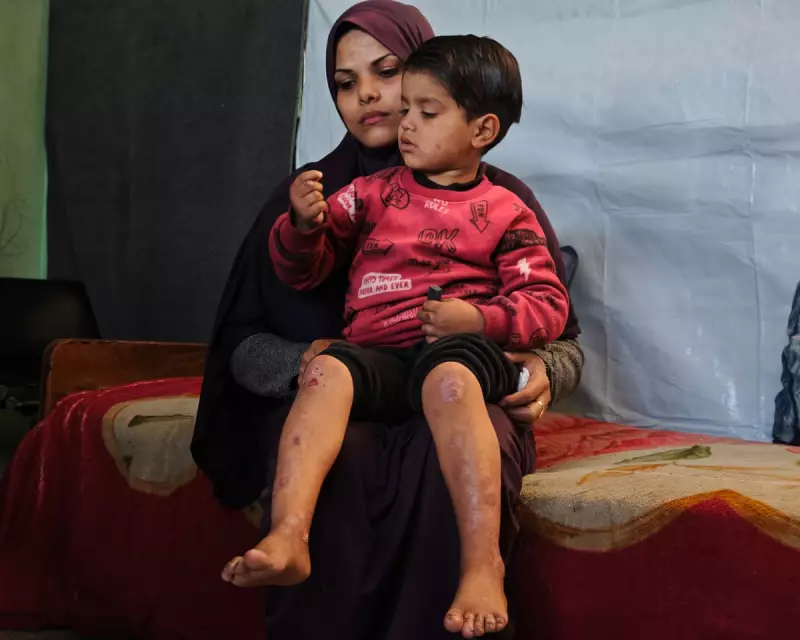
Family members and caregivers have expressed profound distress over the situation, with one relative stating, "I wish I had the power to ease his suffering," highlighting the helplessness felt by those watching loved ones deteriorate due to the lack of medical resources. The emotional and physical toll on both patients and their families is immense, as they navigate a healthcare system crippled by war and isolation.

Impact of the Blockade on Healthcare
The blockade, which has been in place for years, has severely restricted the flow of medical supplies, equipment, and personnel into Gaza. This has compounded the challenges faced by cancer patients, who require specialised treatments that are often unavailable locally. Key issues include:
- Shortages of Medications: Essential drugs for cancer treatment are in critically short supply, leading to interruptions in therapy that can be life-threatening.
- Lack of Medical Equipment: Diagnostic tools and treatment machines, such as MRI scanners and radiation therapy units, are either damaged or inaccessible due to import restrictions.
- Limited Specialist Care: Many oncologists and other healthcare professionals have left Gaza or are unable to enter, leaving a gap in expert medical supervision.
- Travel Restrictions: Patients who need to seek treatment abroad are often denied permits to leave Gaza, trapping them in a region with inadequate healthcare facilities.
These factors have created a perfect storm of suffering, where cancer patients are left to face their illnesses without the necessary support, leading to higher mortality rates and decreased quality of life.
Broader Humanitarian Concerns
The plight of cancer patients in Gaza is part of a larger humanitarian emergency affecting the entire population. The war has displaced thousands of people, destroyed homes and infrastructure, and disrupted essential services like water, electricity, and food supplies. In this context, healthcare has become a luxury that many cannot afford, with cancer patients representing a particularly acute case of medical neglect.
International aid organisations have called for urgent action to address the crisis, emphasising the need for:
- Immediate ceasefire to allow for the delivery of humanitarian aid and medical supplies.
- Lifting of the blockade to facilitate the movement of patients and healthcare resources.
- Increased funding and support for Gaza's healthcare system to rebuild and restore services.
Without such interventions, the suffering of cancer patients and other vulnerable groups is likely to worsen, with long-term consequences for public health in Gaza.
In summary, the war and blockade in Gaza have created a dire situation for cancer patients, who are trapped without access to vital treatments and care. Their suffering underscores the urgent need for humanitarian relief and a resolution to the conflict to prevent further loss of life and alleviate the immense hardships faced by the people of Gaza.