Poet Frieda Hughes has described undergoing a colonoscopy as a profound gift that prevents her from following her father to an early grave from colon cancer. In a deeply personal reflection, Hughes reveals how regular cancer screenings save countless lives each year, a reality she knows intimately after losing her father to the disease.
A Preventative Journey Through Internal Architecture
"It's what I don't think of once it's done," Hughes writes about the colonoscopy procedure. "I travel the length of my colon, my eyes on the colonoscopy screen for the tunnel view of my internal architecture." The examination becomes a metaphorical journey through her own body, with medical professionals searching for anomalies she hopes they will never discover.
The Sunday Examination That Could Save a Life
Hughes describes the surreal experience of being examined "from the wrong end on a Sunday" by "a man I hope never to meet over a table at dinner with friends." This medical professional's careful inspection represents a critical defense against the cancer that claimed her father's life. The poet's vulnerability during the procedure contrasts sharply with the potential life-saving outcome.

"Lest I follow my father" becomes the haunting refrain that motivates her compliance with regular screenings. This simple phrase carries the weight of genetic predisposition, family history, and the very human desire to avoid repeating tragic family medical patterns.
Colonoscopy as an Unconventional Holiday
Remarkably, Hughes frames the colonoscopy experience as "a holiday" from ordinary life. While other days "vanish into obscurity, cluttered with the business of life like bags of shopping that I unload into the cupboard of a night's sleep," the colonoscopy day forces a different rhythm.
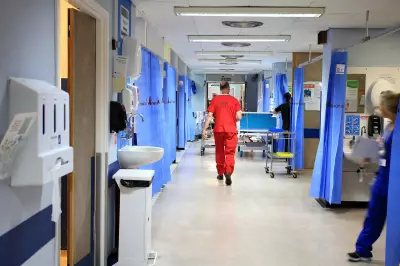
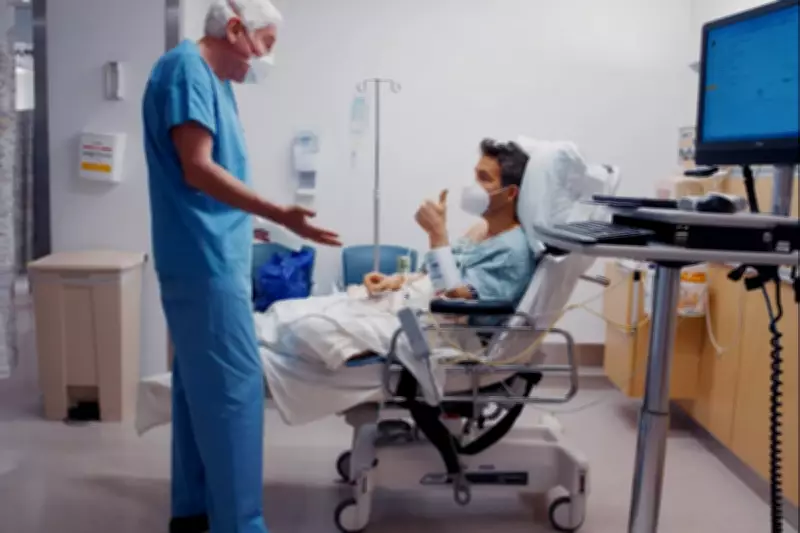
"Here, I am made to rest with a cup of tea and read a book while my blood pressure climbs," she observes. The medical setting creates a paradoxical sanctuary where normal concerns temporarily suspend: "As if the ceiling will not hit the floor, as if buildings will not topple, as if the birds will keep flying, until I get out of the hospital door."
The Life-Saving Perspective of Regular Screening
Hughes' perspective transforms what many might view as an uncomfortable medical procedure into a powerful act of self-preservation. Her father's death from colon cancer provides the urgent context that makes each screening feel less like a medical inconvenience and more like a precious opportunity to rewrite family medical history.
The poet's experience underscores a crucial public health message: regular cancer screenings represent one of modern medicine's most effective preventative tools. For those with family histories of specific cancers, these procedures take on additional emotional weight while offering tangible protection against hereditary risks.
Hughes concludes her reflection with the quiet determination of someone who has found meaning in medical necessity. What could be viewed as merely clinical becomes, through her lens, a profound engagement with mortality, prevention, and the ongoing choice to pursue life despite genetic vulnerabilities.