Former Health Minister Makes Explosive Claims Over Hospital Safety Cover-Up
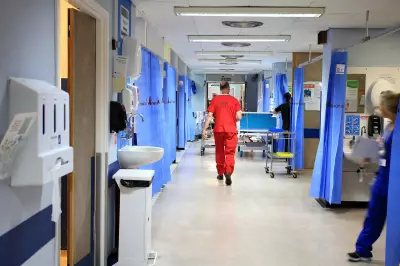
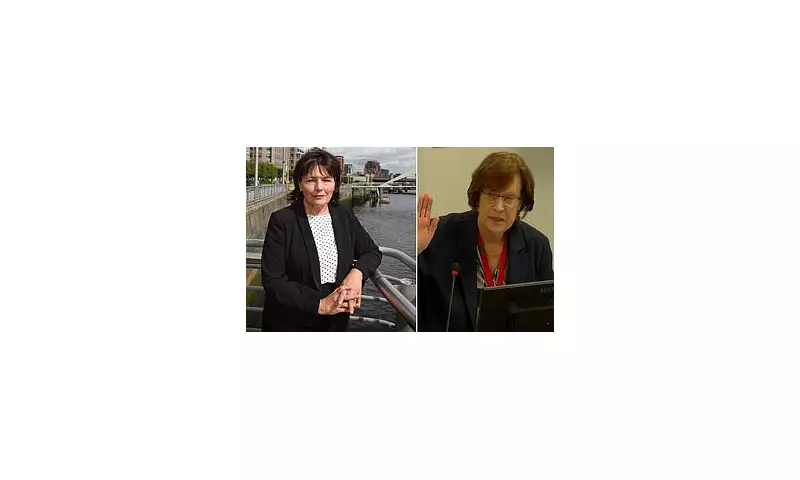
In a dramatic revelation, former Scottish health secretary Jeane Freeman has accused the previous chief executive of NHS Greater Glasgow and Clyde of deliberately concealing vital information about safety failures at a major hospital facility. The allegations centre on the Queen Elizabeth University Hospital in Glasgow, where contaminated water systems have been linked to infections in vulnerable patients.
Personal Reassurances and Hidden Truths
Ms Freeman disclosed that during her tenure as health secretary between 2018 and 2021, she received what she described as 'personal reassurances' from then-NHSGGC chief executive Jane Grant regarding the hospital's safety. These assurances were given despite mounting evidence that health board management were aware of significant problems with both water and ventilation systems throughout the £1 billion facility.
The former minister revealed details of a particularly concerning meeting in 2019, held shortly after the deaths of two patients from cryptococcus infections. 'I specifically remember a meeting about the cryptococcus outbreak where NHSGGC's medical director asked me why I was there and what this matter had to do with me,' Ms Freeman recalled. 'I was surprised, to say the least, and concerned about NHSGGC's attitude.'

Systemic Failures and Avoided Accountability
The scandal has deepened with NHSGGC's recent admission that contaminated water at the hospital most likely caused infections in child cancer patients - a link the health board had denied for over six years. Furthermore, the board has yet to accept that its flawed ventilation system may be connected to additional rare infections and patient deaths.
Ms Freeman expressed particular frustration that most NHSGGC executives from the relevant period have since retired, effectively escaping formal accountability for their actions. 'I understand how frustrating it is to see those at NHSGGC who were in charge walk away with large pensions and apparently no consequences,' she stated. 'This is wrong.'
Calls for Regulatory Reform
The former SNP minister is now advocating for significant changes to how senior NHS managers are regulated. She proposes that health board executives should be subject to mandatory professional standards similar to those governing medical professionals.
'Senior management of our NHS boards should have to comply with some form of mandatory professional regulations,' Ms Freeman argued. 'They shouldn't be allowed to pass the buck, then retire with significant remuneration packages only for it to later emerge that their failure may have caused or contributed to patient harm.'
She highlighted what she described as a 'not me guv' culture within the health board, where delegation schemes were allegedly used to avoid responsibility. 'You have former NHSGGC chief executives on wages and pensions larger than most people would enjoy, sitting in the inquiry saying things were not their responsibility,' she noted with evident frustration.
Ongoing Investigations and Institutional Response
The Scottish Hospitals Inquiry continues to examine the circumstances surrounding the infection outbreaks, while police investigate at least six patient deaths potentially linked to the hospital's environmental problems.
In response to the allegations, an NHSGGC spokesman emphasised the need to respect ongoing legal processes. 'We must respect the integrity of the ongoing inquiry and legal processes which need to be allowed to reach their conclusions before we can provide further comment,' the statement read. The board acknowledged 'issues with past culture and communication' while committing to continued improvements in governance and oversight.
Ms Freeman concluded with a call for systemic change: 'This is systemic stuff; it needs a plan. I think the public will want to know what exactly will be done now to ensure there are cultural changes across and within all health boards.'