Flesh-Eating Parasite Reemerges in the US, Prompting State of Emergency
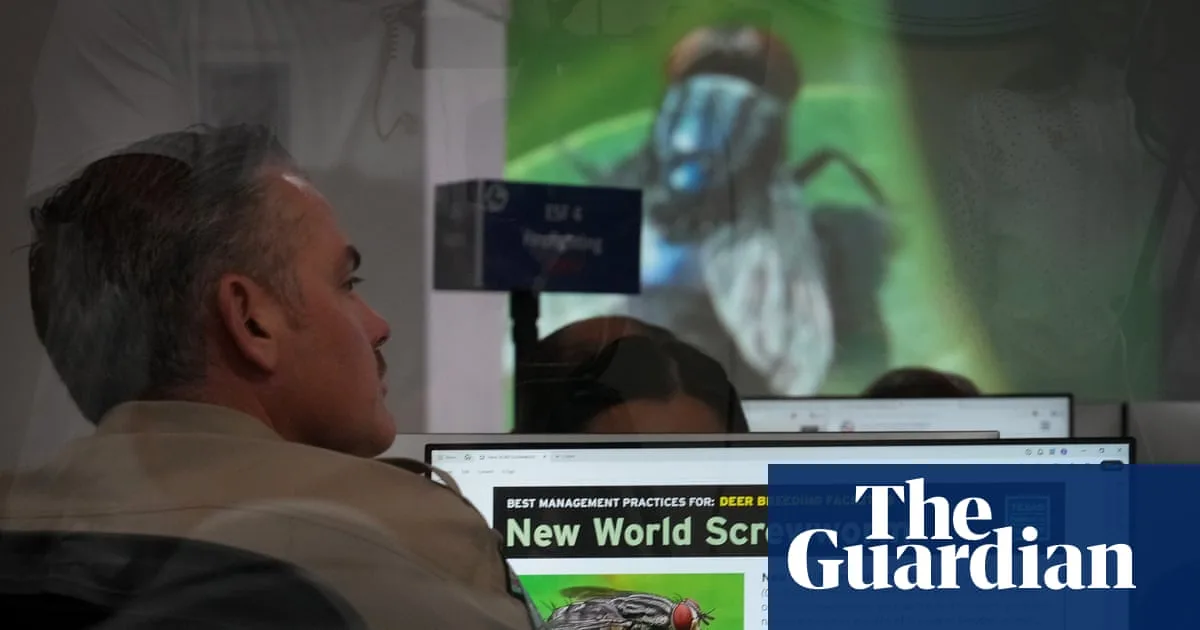
A dangerous flesh-eating parasite is infiltrating the United States from Mexico, raising alarms across multiple states. Known as the New World Screwworm, this parasite deposits hundreds of larvae into the wounds of both animals and humans. These larvae hatch rapidly, within mere hours, and proceed to consume the host's tissue, leading to excruciatingly painful and deep wounds. If left untreated, these infestations frequently result in severe infections and can be fatal.
Texas Declares Disaster Amid Livestock Industry Threat
In response to the escalating danger, Texas Governor Greg Abbott issued an official disaster declaration on Tuesday. The screwworm poses a direct threat to Texas's thriving beef industry, which is a cornerstone of the state's economy. This declaration empowers Abbott's task force with enhanced authority, additional resources, and the necessary speed to combat the growing parasitic threat effectively. Historically, when screwworms plagued the United States, they inflicted approximately $200 million in damages to livestock, equivalent to around $1.8 billion in today's currency.
Florida Reports First Case, Heightening Concerns
As the screwworms advance closer to Texas, Florida officials confirmed their first case just last week. The Florida Department of Agriculture and Consumer Services identified larvae in an open wound on a horse that had been imported from Argentina. The infected horse has since been placed under strict quarantine. Florida authorities emphasized that the New World Screwworm was eradicated from the United States over forty years ago, and its resurgence would present a grave threat to livestock, wildlife, and domestic animals, especially in warm-climate states like Florida with dense animal populations.
Officials Urge Vigilance While Downplaying Panic
Texas Agriculture Commissioner Sid Miller addressed the public, advising Florida residents not to panic. In a formal statement, Miller clarified that the recent detection in Florida does not indicate a widespread outbreak or domestic infestation within the United States. He noted that the case was fortunately intercepted during a routine inspection of an imported horse originating from a country south of the Darién Gap. However, Miller strongly urged Texas ranchers and families to remain vigilant along the southern border. He recommended regular inspections of all warm-blooded animals, including livestock, wildlife, and pets, and immediate reporting of any suspected larvae infestations.
Miller underscored the serious risk to the livestock industry, stating that the Texas Department of Agriculture has been proactively preparing through heightened surveillance, coordination, and response planning. He warned that the New World Screwworm is gradually moving closer to Texas each day, necessitating a proactive approach to mitigate this threat.
How the Screwworm Operates and Its Historical Context
The screwworm initiates its attack when a female fly lays eggs in open wounds or body orifices. According to the Texas Parks and Wildlife Department, these flies are attracted to the scent of exposed tissue and openings, which can be as minor as a tick bite, nasal or eye passages, a newborn's navel, or genital areas. Once the eggs are laid, they hatch into larvae that burrow into the flesh, resembling tiny screws. A single female fly can lay between 200 and 300 eggs at one time and up to 3,000 eggs over her lifetime, as reported by KHOU 11. Infestations may also become visible on the skin's surface.
In 2024, an unnamed patient in Maryland, who had recently returned from El Salvador, was found to be infested with the parasite. Department of Health and Human Services officials disclosed the case but stressed that the risk to the general public remains very low. The infection was initially reported by Maryland officials and the Centers for Disease Control and Prevention on August 4. Although the worms were eliminated from the United States in 1966, sporadic cases have been detected since, often linked to outbreaks in Central America. This latest case is not the first in the United States but marks the first instance involving an individual who traveled from a country experiencing an active outbreak.






