The High Cost of Keeping Fussy Eaters Healthy
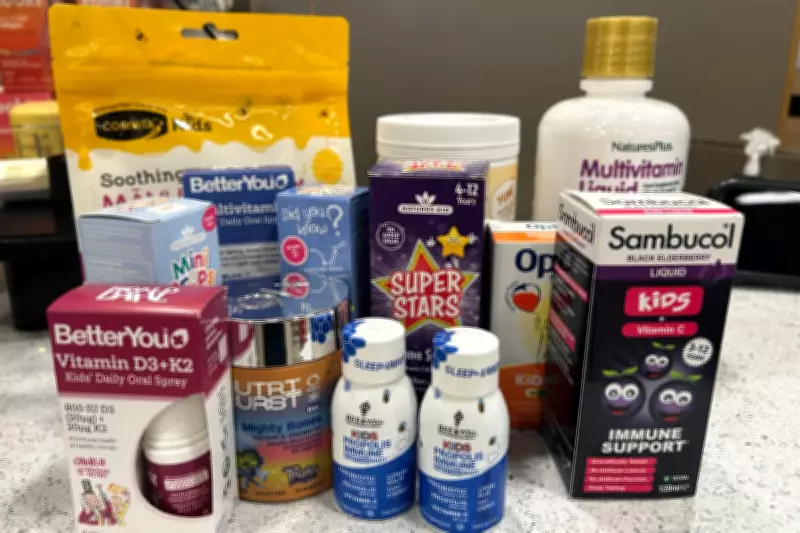
For many parents, ensuring their children receive adequate nutrition has become a significant financial burden, particularly when dealing with fussy eaters. Charlotte Cripps, a mother of two, finds herself spending hundreds of pounds monthly on vitamins and supplements to compensate for her daughters' nutrient-deficient diets. Her recent trip to Holland and Barrett resulted in a bill of £155, and she regularly purchases premium multivitamins at £28.49 per bottle, alongside magnesium, Vitamin D, Omega 3, and probiotic supplements.
Rising Expenditure and Parental Concerns
According to recent data, UK parents spend an average of £234 annually on children's supplements, primarily to boost immunity and focus. However, many, like Cripps, exceed this amount monthly. Research from Clearpay reveals that 92% of parents bought supplements for their children in the past year, with multivitamins, Vitamin C, and Vitamin D being top choices. Demand for specific products has surged, with magnesium supplements for children increasing by 296% year-on-year, Vitamin D sales rising by 231%, and probiotic drinks by 228%.
Parents cite boosting immunity (51%), avoiding illness (36%), and improving concentration (24%) as key reasons for purchases, and 44% plan to buy even more this year. Yet, 44% struggle to determine if these supplements are effective, highlighting a gap between spending and certainty.

The Wellness Industry's Influence
The global kids' vitamins and supplements market, valued at $6.3 billion in 2024, is projected to exceed $12 billion by 2033, according to Market Intelo. This growth is partly driven by celebrity endorsements, with figures like Gwyneth Paltrow, Kourtney Kardashian, and Jennifer Lopez promoting probiotic brands. While some view this as a trend, for parents like Cripps, it's a necessity due to genuine concerns about gut health and nutrient deficiencies.
Poor gut health can impact immunity, digestion, mood, and cognitive function, with recent studies from the US and Germany suggesting a healthy gut microbiome may slow cellular ageing and prevent chronic diseases. Critics argue that a balanced diet should suffice, but with over half of UK pre-schoolers being picky eaters, supplements often become essential.
The Challenge of Fussy Eating
Fussy eating is a common issue, with research from the University of Leeds indicating that food pickiness tends to persist from early childhood into adolescence. About one in five UK children is iron-deficient, and diets like vegan or plant-based may lack certain nutrients. Cripps' daughter, Lola, age nine, only eats fish fingers, pasta with tomato, and pizza, despite efforts to expand her palate, including consultations with food phobia experts for avoidant/restrictive food intake disorder (ARFID).
Studies suggest genetics, not parenting, play a key role in fussy eating, adding to parental stress. For example, half a banana provides magnesium equivalent to many supplements, but children who refuse such foods rely on alternatives.
Financial and Practical Struggles
Parents like Cripps face tough choices, juggling supplement costs against other expenses such as energy bills and groceries. With 63% finding these products increasingly expensive, many are forced to cut back elsewhere. The complexity of managing multiple supplements—avoiding double-dosing and reading labels—adds to the burden, making it difficult to reduce spending without compromising perceived health benefits.
As the demand for children's supplements continues to grow, parents are left navigating a costly and uncertain landscape, balancing financial strain with the desire to ensure their children's well-being.