
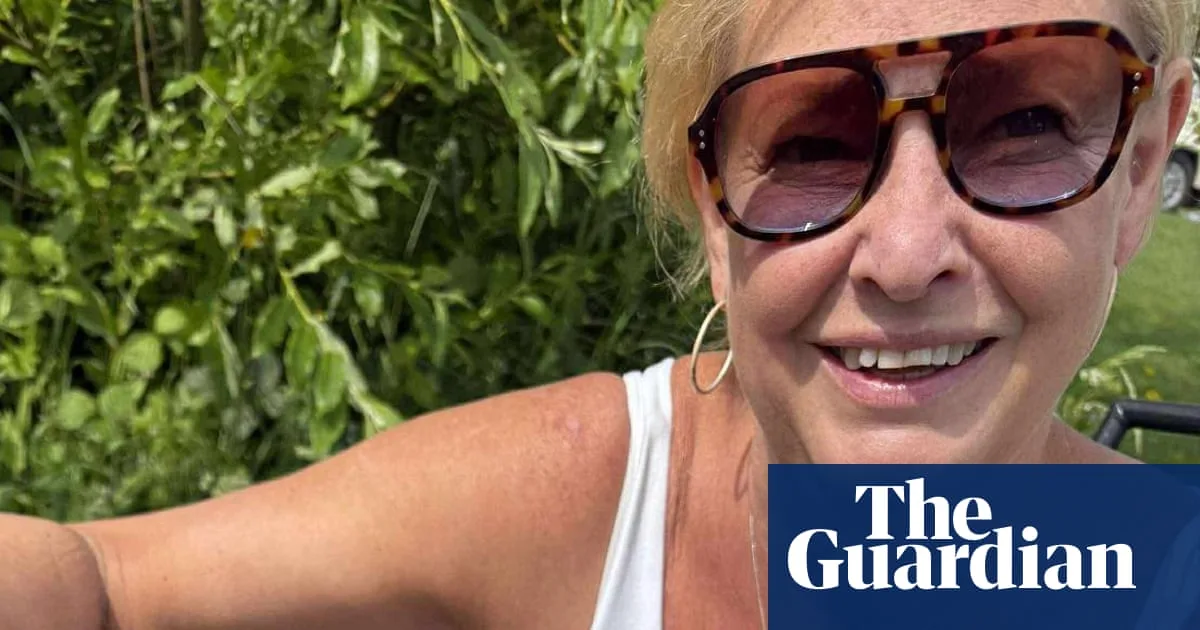
A woman who died from rabies after being scratched by a puppy in Morocco was only diagnosed after a psychiatrist was consulted, an inquest has heard. Yvonne Ford, 59, from Barnsley, died at Royal Hallamshire Hospital in Sheffield on 11 June, four months after the incident on a beach in February.
Ford had not sought medical treatment for the scratch, considering it minor, and cleaned it with a wet wipe. Upon returning to England, she developed symptoms that perplexed doctors at Barnsley Hospital, who referred her to a mental health facility.
Psychiatrist Alexander Burns told Sheffield Coroner's Court that he initially suspected Lyme disease, but after learning from Ford's husband about the dog scratch, he researched rabies and concluded it explained all her symptoms. He noted that the short-stay unit had been unaware of the scratch.
Ford was transferred to the infectious disease unit in Sheffield, where she died days later. Infectious diseases expert Dr Katharine Cartwright stated there have been only 26 confirmed rabies cases in the UK since 1946, with a 100% fatality rate once symptoms appear. Post-exposure vaccinations can be effective if given before symptoms develop.
Since Ford's death, her family has raised awareness about rabies. Her daughter, Robyn Thomson, has joined Mission Rabies to immunise dogs in Cambodia and Malawi, saying she wants to turn the tragedy into a positive.




