Man Hospitalised After False Widow Spider Bite Causes Flesh-Eating Infection
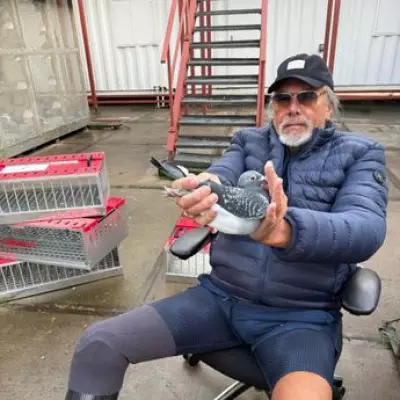
A 40-year-old man from Coventry faced a terrifying medical emergency when a seemingly insignificant spider bite rapidly escalated into a severe flesh-eating infection, necessitating urgent hospitalisation and multiple surgeries. Chris Keegan, an actor and escape room designer, initially dismissed a small insect bite on his right hand, only to watch in horror as his limb swelled to the size of a bowling ball within days.
From Pinprick to Peril
Chris Keegan awoke one morning with a minor bite on his hand, which he initially thought nothing of. However, as the area began to turn red, he consulted a pharmacist who prescribed antibiotics for what was suspected to be a spider bite. When a second course of antibiotics from doctors failed to halt the progression, Mr Keegan's hand dramatically swelled and turned purple, prompting an immediate hospital visit.
Within hours of admission, surgeons were operating to remove dying skin and prevent the infection from spreading further. Mr Keegan spent five days in hospital undergoing procedures, ultimately leaving with six stitches and a permanent scar. He reflected on the ordeal, stating, "Something so tiny and trivial if ignored could have led to my thumb or hand being removed, or sepsis could have set in."

The False Widow Threat
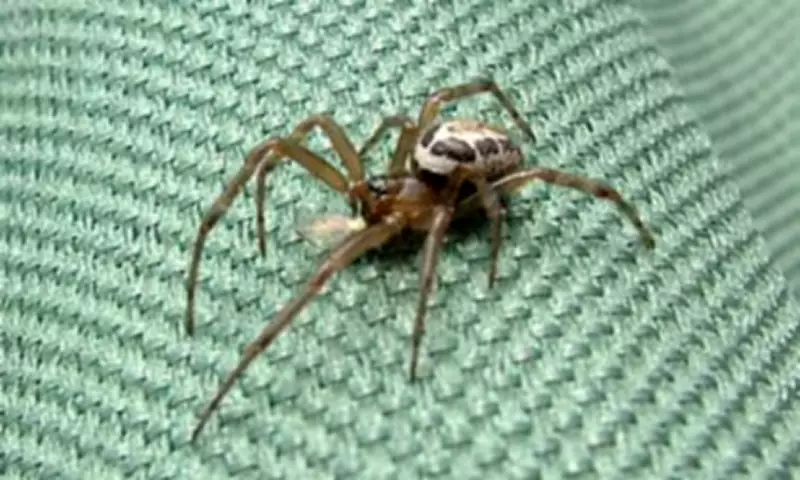
While the exact culprit remains unconfirmed, experts have hypothesised it could be a false widow spider, a species whose bite is often compared to bee or wasp stings. These bites typically occur when the spider is handled roughly or becomes trapped against skin. Recent reports, including from BBC Countryfile, indicate that false widows are rapidly expanding across Britain following a global surge in their population.
Mr Keegan described the alarming symptoms: "Just a day later my whole hand swelled up like a boxing glove. The bite itself was purple, swollen and almost ruptured. It was very painful – my whole hand was red, swollen, and warm." He noted that the infection appeared antibiotic-resistant, adding to the severity of the case.
Rising Hospitalisations and Public Awareness
In 2024 alone, nearly 100 people in the UK were hospitalised due to spider bites, highlighting a growing public health concern. Mr Keegan's experience underscores the potential dangers of even minor bites. He emphasised the uncertainty surrounding his infection, saying, "They don't know if the bite was the infection or if the bite was the catalyst for the infection to take hold."
Medical experts advise that if bitten, individuals should:
- Wash the area thoroughly with soap and water.
- Apply a cool compress to reduce swelling.
- Use over-the-counter medication for pain or itching.
If symptoms such as redness, swelling, or pain persist, or signs of infection emerge, contacting the NHS 111 helpline is crucial. Early intervention can prevent complications like those faced by Mr Keegan.
Arachnophobia: An Evolutionary Legacy
Recent research suggests that fear of spiders may be an innate survival trait embedded in human DNA. This instinct, dating back hundreds of thousands of years, likely evolved as a response to venomous spiders in ancestral environments. Study leader Joshua New of Columbia University explained, "Humans were at perennial, unpredictable and significant risk of encountering highly venomous spiders in their ancestral environments." This evolutionary background may explain why arachnophobia remains one of the most common and debilitating phobias today.
As false widow spiders continue to spread across the UK, public awareness and prompt medical attention are vital. Mr Keegan's harrowing experience serves as a stark reminder that even the smallest bite can lead to life-threatening consequences.