Experts Sound Alarm Over 'Worrying' Rise in Dangerous Weight-Loss Jab Hacks
Medical professionals are issuing stark warnings about a concerning increase in dangerous practices among users of weight-loss injections, with nearly half of the 1.6 million people using these medications in the UK admitting to risky behaviours.
Survey Reveals Alarming Trends
According to a comprehensive survey conducted by Lloyds Pharmacy Online Doctor, 32 per cent of weight-loss jab users have experimented with dangerous techniques like "microdosing", while 28 per cent have turned to unlicensed drugs and sellers. This troubling trend emerges as the cost of legitimate weight-loss medication continues to rise, pushing some individuals toward potentially hazardous alternatives.
Dr Kieran Seyan, chief medical officer at Lloyds Pharmacy Online Doctor, expressed growing concern about these developments. "I am increasingly worried by reports that some individuals may be accessing prescription-only weight-loss medication through unregulated sources like beauty therapists or salons," he stated. "Medication from a source that is not appropriately regulated increases the risk of incorrect dosing, expired or improperly stored medication, and in some cases, counterfeit products."

Personal Stories Highlight Risks
One woman, identified as Amy from West Sussex, shared her experience with The Independent. The 55-year-old explained she has been purchasing Wegovy from her beauty therapist since March 2025, despite the medication requiring a prescription from a qualified healthcare professional.
"I pay £150 for a 1 milligram pen, which if you're on the full dose lasts four weeks and if you halve it, it lasts eight weeks," Amy revealed. "I have been eking it out so that a full pen can last me eight to 10, maybe even 12 weeks."
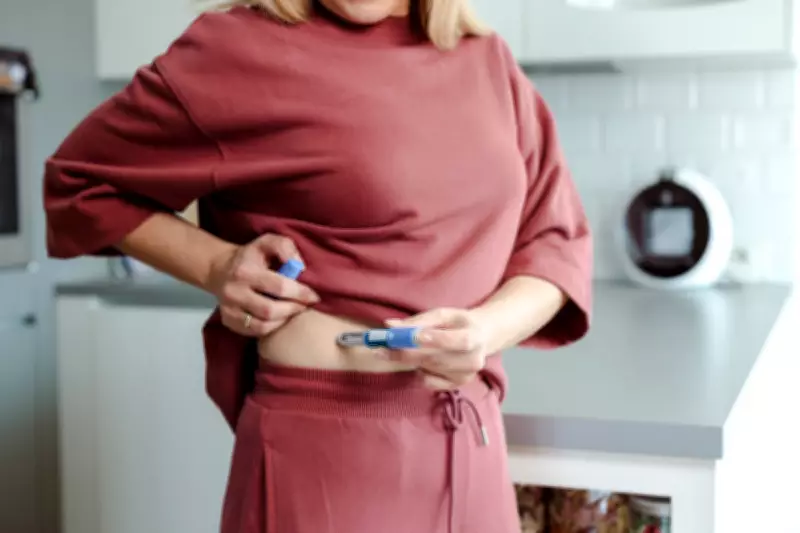
This practice of extending medication use involves what experts call "microdosing" – taking smaller doses than the weight-loss jab is designed for. Amy admitted she sometimes uses the same needle twice to reach eight or more doses from a pen designed for four injections, significantly increasing infection risks.
Medical Authorities Issue Strong Warnings
The Medicines and Healthcare products Regulatory Agency (MHRA) has issued clear warnings against sourcing weight-loss medicines from unregulated suppliers. An MHRA spokesperson emphasised: "Wegovy (semaglutide) is a prescription-only medication, meaning it should only be obtained from a registered pharmacy against a prescription issued by a healthcare professional."
Novo Nordisk, the manufacturer of Wegovy, echoed these concerns, stating that obtaining GLP-1 medicines without a prescription through non-legitimate routes "poses a direct danger to health." The company warned that contents of medicines obtained from unregulated sources can differ entirely from genuine products and should not be used.
Specific Dangers of Improper Use
Dr Seyan explained that using smaller doses to make medication last longer "isn't an exact science" and hasn't been properly tested. He highlighted several specific risks:
- Administration of unequal doses making the jab less effective
- Potential for nausea, vomiting, abdominal pain, and constipation when doses are changed irregularly
- Expired medication becoming less effective when used beyond recommended timeframes
Leyla Hanbeck, chief executive of the Independent Pharmacies Association, added crucial warnings about needle reuse: "Patients should always use a clean and sterile needle for each injection. There is a significant risk for bacterial contamination as a used needle is no longer sterile and can infect the body with bacteria."
Understanding Weight-Loss Injections
Weight-loss injections, such as Mounjaro and Wegovy, are known as GLP-1 receptor agonists. They work by mimicking the natural hormone that regulates blood sugar, appetite, and digestion. These are prescription-only drugs, with NHS access typically requiring a BMI of 40 or more, though private providers may offer them to those with a BMI over 30.

Despite the risks, Amy's experience reflects a broader accessibility issue. "I trust my beauty therapist and believe I would struggle to access weight-loss drugs on the NHS," she explained, detailing a lifelong struggle with weight management that included Weight Watchers from age 10 and privately-funded gastric bypass surgery 15 years ago.
Long-Term Concerns and Recommendations
After losing two-and-a-half stone and reaching a BMI of 25, Amy was advised to reduce her dosage with the intent to stop. However, she admitted: "I haven't actually stopped, I kept going and I'm almost scared to come off it, I feel that I probably might be on it for good."
Medical experts strongly recommend that individuals seeking weight-loss medication:
- Consult only with qualified healthcare professionals
- Obtain prescriptions through legitimate, regulated sources
- Follow recommended dosing schedules precisely
- Use fresh, sterile needles for every injection
- Report any suspected counterfeit products immediately
As the popularity of weight-loss jabs continues to grow, medical authorities emphasise that patient safety must remain the top priority, with proper regulation and professional guidance being essential components of effective and safe weight management.