Minnesota Physicians Sound Alarm Over Immigration Enforcement Impact on Healthcare
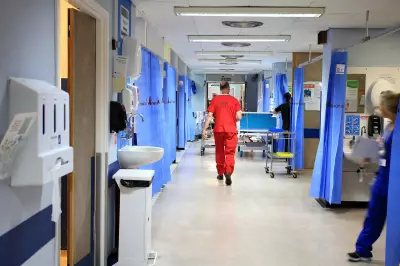
Medical professionals across Minnesota are raising urgent concerns about what they describe as a growing healthcare crisis, directly linked to the Trump administration's intensified immigration enforcement operations within the state. Doctors report that immigrant patients are increasingly avoiding essential medical appointments and clinics, creating dangerous gaps in treatment and care.
Patients Disappearing From Vital Care
Physicians presented multiple alarming cases during a Tuesday news conference at the Minnesota State Capitol in St. Paul. These included a pregnant woman who missed her prenatal checkup due to immigration fears, only to be discovered by a nurse at home while already in active labour. Another patient with kidney cancer disappeared from medical oversight while in immigration detention facilities, requiring legal intervention to ensure his medication reached him, though doctors remain uncertain if he has actually been able to take it.
Additional troubling examples emerged, including diabetic patients too frightened to collect insulin prescriptions, individuals with treatable wounds that deteriorated into serious infections requiring intensive care, and hospital staff from various international backgrounds who feel too unsafe to report for work.

Policy Shift Creates Healthcare Barriers
The current situation stems from a significant policy change implemented approximately one year ago. Previously, hospitals, schools, and churches had been considered off-limits for immigration enforcement actions under guidelines established in 2011. The Trump administration reversed this policy, permitting federal immigration agencies to conduct arrests within these previously protected facilities.
Dr. Roli Dwivedi, past president of the Minnesota Academy of Family Physicians, expressed profound concern about the developments. "Our places of healing are under siege," Dwivedi stated, adding that in over nineteen years of medical practice in Minnesota, they had "never seen this level of chaos and fear," including during the peak of the COVID-19 pandemic.
Operation Metro Surge Intensifies Tensions
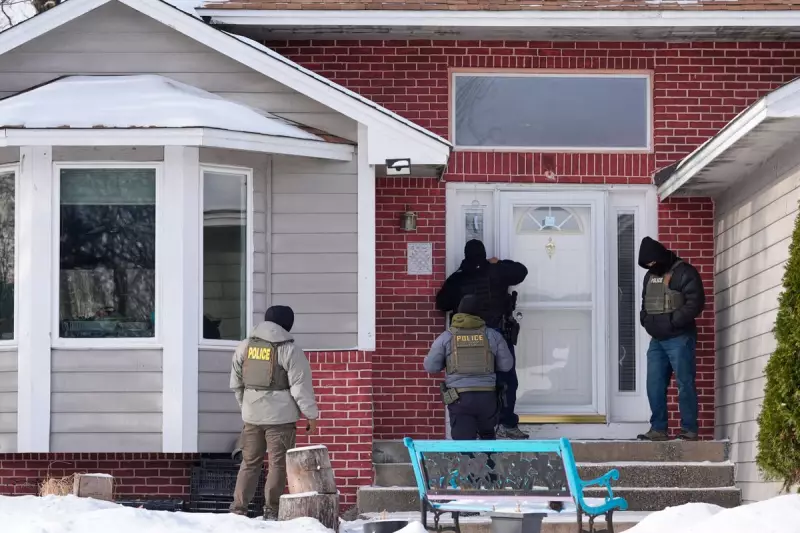
The immigration enforcement efforts, which began escalating late last year, reached unprecedented levels in January when the Department of Homeland Security announced it would deploy 2,000 federal agents and officers to the Minneapolis area. This deployment represents what authorities describe as the largest immigration enforcement operation ever conducted.
According to a Monday court filing, Operation Metro Surge has resulted in more than 3,000 arrests of individuals allegedly in the country illegally. The enforcement surge in the traditionally liberal Twin Cities region has sparked confrontations between activists and immigration officers, created conflicts between local and federal officials, and tragically resulted in the death of a mother of three, shot by an Immigration and Customs Enforcement officer.
Medical Consequences Mount
Dr. Erin Stevens, legislative chair for the Minnesota section of the American College of Obstetricians and Gynecologists, highlighted specific medical repercussions. "Our patients are missing," Stevens reported, noting that pregnant women are particularly missing crucial prenatal care. The physician also observed a significant increase in requests for home births, including from patients who had never previously considered this option or for whom it represents an unsafe medical choice.
Community Tensions Escalate
The situation has generated considerable community friction, with blame exchanged between Trump administration officials and Minnesota state authorities. Tensions flared again recently when protesters disrupted a Sunday service at a St. Paul church, objecting to one of its pastors who leads the local ICE field office. Protesters approached the pulpit at Cities Church while others chanted demands for ICE to leave the community.

In response to the church incident, the U.S. Department of Justice has initiated a civil rights investigation. As the enforcement operations continue, Minnesota's medical community warns that the healthcare implications for immigrant populations are becoming increasingly severe, with potentially life-threatening consequences for vulnerable patients across the state.