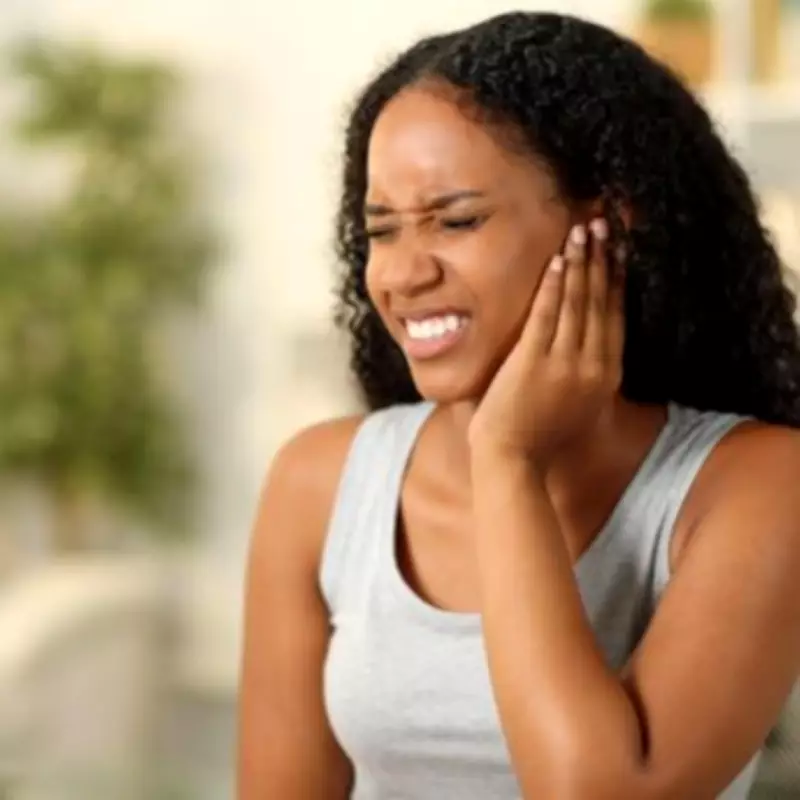
NHS Expert Details Menopause Connection to Tinnitus Symptoms
TV doctor Amir Khan has provided a detailed explanation for why individuals, particularly women undergoing menopause, may experience ringing or other noises in their ears. The NHS expert emphasised that these symptoms, while often intermittent, should not be ignored and warrant professional medical discussion.
Hormonal Fluctuations and Inner Ear Sensitivity
In a recent social media post, Dr Khan clarified the biological mechanisms at play. "A significant number of people are unaware that menopause can impact ear function and balance, but from a medical perspective, this connection is quite logical," he stated. "During menopause, levels of oestrogen and progesterone fluctuate and decline. These hormones do not only affect the reproductive organs; they have receptors throughout the body, including in the inner ear and the brain."
Dr Khan elaborated that the inner ear is highly sensitive to alterations in blood flow and nerve signalling, both of which are influenced by oestrogen. "When oestrogen decreases, the tiny blood vessels supplying the cochlea—the hearing organ inside the ear—can become less stable. Additionally, the nerves involved in hearing may become more irritable," he explained. This instability can lead to the perception of internal sounds known as tinnitus.

Understanding Tinnitus and Its Manifestations
Tinnitus is the medical term for noises that seem to originate in the ears or head without an external source. These sensations can include:
- Ringing
- Buzzing
- Hissing
- Whooshing
- Humming
- Throbbing
- Music or singing
While the root cause is not always clear, it may be associated with hearing loss, anxiety, certain medications, and conditions like multiple sclerosis or diabetes. Dr Khan highlighted that menopausal women face an increased risk due to hormonal changes.
Additional Symptoms and Indirect Effects
Dr Khan further noted that oestrogen helps regulate the body's retention of salt and water. "When hormone levels fluctuate, subtle shifts in inner ear fluid can occur, potentially triggering dizziness, lightheadedness, or a sensation that the room is moving," he said. The combination of menopause-related issues such as poor sleep, anxiety, and hot flushes can heighten the brain's sensitivity to unusual sensations, making tinnitus seem louder and balance problems more severe.
"There is also an indirect effect," Dr Khan added. "Declining oestrogen is linked to changes in blood pressure, migraine patterns, and jaw tension, all of which can exacerbate tinnitus or vertigo."
When to Seek Medical Advice
Individuals experiencing tinnitus regularly or constantly are encouraged to consult their GP. Although it is typically not a sign of a serious condition and may improve independently, steps can be taken to manage symptoms effectively. However, urgent medical attention is necessary if tinnitus occurs alongside:
- Sudden hearing loss
- Muscle weakness and vertigo
- A recent head injury
In such cases, visiting A&E or calling 999 is advised.
Dr Khan concluded by reassuring sufferers: "Many women find that these symptoms come and go, similar to other menopausal symptoms, rather than being constant. If new tinnitus or dizziness emerges around menopause, it is very real, has a clear biological basis, and is absolutely worth discussing with a doctor instead of suffering in silence."