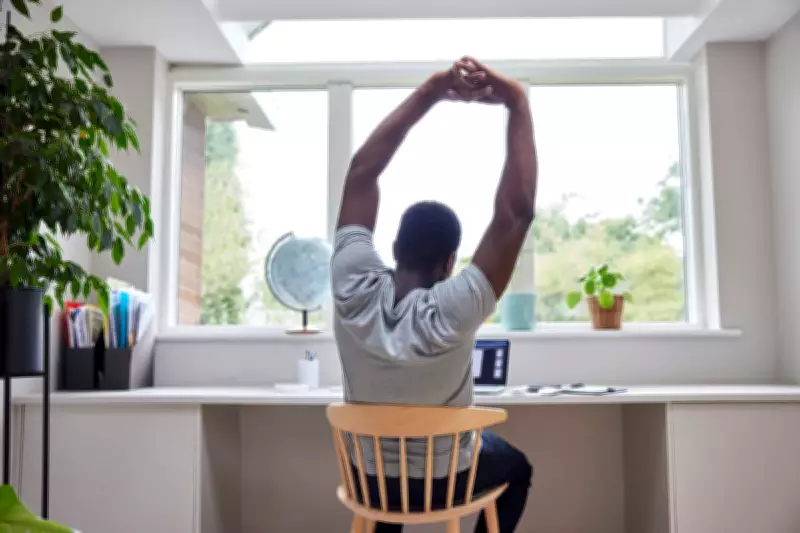
The Hidden Cost of Desk Jobs: Stiff Hips and Tight Spines
In an era dominated by desk jobs, sedentary hobbies, and excessive screen time, millions are experiencing stiff hips and tight spines that hinder basic physical tasks. While fitness goals often focus on strength or weight loss, maintaining mobility is crucial for living life fully and freely for decades to come. Human movement specialist Ash Grossmann, founder of The Training Stimulus, emphasizes that movement is the antidote to the adaptations caused by prolonged stillness.
"When we're dealing with an adaptation from stillness, movement is the answer, so any movement is better than just being still," Grossmann states. "Most people just need more movement overall. Try to break up sitting time as much as you can, and think about moving your body as much as possible in as many ways as possible."
Three Expert-Approved Desk Exercises to Restore Mobility
Grossmann advocates for incorporating movements that target all three planes of motion—sagittal, frontal, and transverse—to counteract the stiffness from sitting. Here are three of his favorite exercises, all doable at your desk.

Seated Rotation and Side Bend
Reps: 3-5 pulses in each direction
Keep your spine long and rotate gently around an axis, avoiding strain. Perform gentle pulses when reaching your arm overhead. Grossmann explains that traditional strength training often focuses on sagittal movements, but adding bending and twisting restores spinal mobility. "If you see someone who looks very stiff and awkward in the way they walk, it's quite often because they lack the ability to side bend or rotate through their spine," he notes.
Bulgarian Split Squat Pulses with 3D Drivers
Reps: 3-5 pulses in each direction
Aim to gently push the hips forward throughout. This exercise targets hip flexors, which shorten from sitting, by lengthening them in all three planes of motion. "It's an effective way of opening up tight hip flexors because we're getting these muscles into a lengthened position," Grossmann says, adding that it also provides stability work for the standing leg.
Wide Stance Good Morning Reaches
Reps: 3-5 reaches in each direction
Ensure your weight doesn't shift to your forefoot or heels. This exercise lengthens the posterior chain and adductors, offering greater hip opening than a classic forward fold. "You'll feel your hips open up to a much greater extent as you're getting more relative motion between your pelvis and your femurs," Grossmann explains.
How to Integrate These Exercises into Your Day
You don't need dedicated workout sessions. Grossmann recommends finding five-minute windows during your workday or evening. "Set a five-minute timer or put a song on then, until it ends, do a few movements that feel good," he advises. Start gently, increasing range of motion only if comfortable. Regular intervals can lead to cumulative benefits, such as easing old niggles or improving tricky stretches.
Why These Exercises Are So Effective
These movements access a wide range of motion around multiple joints, preventing them from becoming "rusty." Grossmann highlights that the body operates on a use-it-or-lose-it basis. "If you stop using a certain movement, the body views it as surplus to requirements and allows the tissues involved to weaken," he says. This narrows your comfort zone and increases injury risk, as compensating muscles become overused.
For instance, neglecting hinge movements like deadlifts can lead to back injuries when bending over suddenly. "We want to keep our options open by exercising in a way that expands our comfort zone," Grossmann concludes. "That way, when life or sport presents varied challenges, our body is well prepared to respond effectively."
By incorporating these simple exercises, you can combat the detrimental effects of a sedentary lifestyle, maintain joint health, and ensure long-term mobility without disrupting your daily routine.