Covid Inquiry Hails Vaccine Rollout as 'Extraordinary Feat' but Demands Urgent Compensation Reform
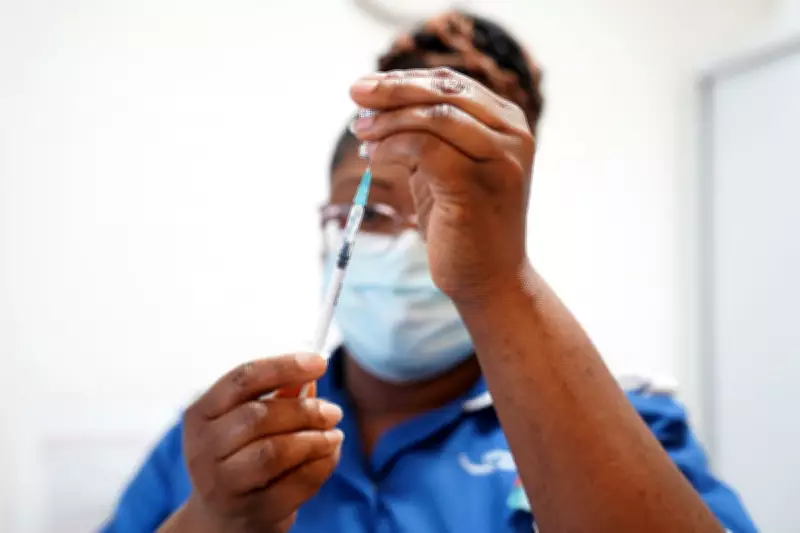
The UK Covid-19 Public Inquiry has delivered a landmark report, praising the nation's vaccine programme as a resounding success while issuing a stark warning that the compensation scheme for those injured by jabs requires immediate and comprehensive reform. Inquiry chairwoman Baroness Heather Hallett emphasised that the UK's leadership in biomedical sciences was pivotal in developing and deploying vaccines at an unprecedented scale during the pandemic.
Urgent Call to Overhaul Vaccine Damage Payment Scheme
In her detailed findings, Baroness Hallett highlighted critical flaws in the existing Vaccine Damage Payment Scheme, which currently offers a maximum one-off tax-free payment of £120,000 to individuals deemed 60% disabled due to vaccine injury. She argued this threshold is unjust, leaving many with significant injuries but below the 60% mark without any support. The inquiry recommends scrapping this rigid threshold and replacing it with a graduated system that provides payments commensurate with the degree of injury suffered.
The report urgently calls for raising the maximum payout to at least £200,000, an adjustment reflecting inflation since the scheme was last revised in 2007. Furthermore, Baroness Hallett insisted that subsequent annual increases must be applied in line with inflation to ensure fairness and adequacy for affected individuals. Between 2021 and 2023, only 125 applications resulted in payments, while 2,266 were refused, underscoring the scheme's limitations.

Praise for Vaccine Programme Amid Acknowledgment of Suffering
Despite the focus on compensation reform, the inquiry unequivocally celebrated the vaccine rollout as an "extraordinary feat." It noted that by March 2023, vaccines had saved approximately 475,000 lives in England and Scotland alone, with millions more preserved globally. The report credited rigorous trials, regulatory approvals, and prompt safety monitoring for managing risks effectively, concluding that the benefits of Covid-19 vaccines far outweighed any potential harms.
However, Baroness Hallett also acknowledged the profound suffering of those who experienced serious injury or death linked to the jabs. The inquiry heard "moving evidence" from bereaved families and injured individuals, many of whom felt "silenced or ignored" by the system. This dual recognition of success and hardship forms a central theme of the report, balancing achievement with accountability.
Addressing Vaccine Hesitancy and Manufacturing Shortfalls
The inquiry delved into the persistent issue of vaccine hesitancy, identifying predictable lower uptake in poorer communities and among some ethnic minority groups. Baroness Hallett urged action across all four UK nations to build trust and improve accessibility before the next pandemic strikes. She emphasised that better planning and targeted strategies could mitigate these disparities in future health crises.
On the development front, the report commended the UK government's "at-risk" funding approach, which involved investing substantial sums in multiple potential vaccines despite uncertainty. This bold strategy paid off, enabling rapid deployment. However, Baroness Hallett pointed out a significant weakness: a lack of domestic manufacturing capacity for vaccines and treatments when the pandemic began. She cited a £65 million grant to the Vaccine and Innovation Centre in 2018, intended to boost UK production, but noted that due to "considerable dithering," the centre was not operational when Covid-19 hit, highlighting a missed opportunity for self-sufficiency.
Key Recommendations and Inquiry Costs
Overall, Baroness Hallett made five core recommendations in her report:

- Reform the Vaccine Damage Payment Scheme to increase payouts and introduce graduated thresholds.
- Grant regulatory bodies access to healthcare records for enhanced safety monitoring of new vaccines and therapeutics.
- Establish a "pharmaceutical expert advisory panel" to strengthen the UK's capabilities in developing, procuring, and manufacturing vaccines and treatments.
- Develop targeted vaccine strategies to address hesitancy and improve uptake.
- Implement better monitoring systems for vaccine delivery and effectiveness.
The inquiry itself has incurred significant costs, with total spending nearing £204 million by the end of December, covering setup, legal fees, and public hearings across the UK. In response, the Government reported spending £111 million on legal advice and staffing related to the inquiry. This fourth report on vaccines and therapeutics adds to a comprehensive examination of the pandemic's handling, aiming to inform future preparedness and justice for all affected parties.