Cat Scratch Warning: Rare Bacteria Can Cause Brain Damage, Doctors Alert
Cat Scratch Bacteria Warning: Can Lead to Brain Damage

Cat Scratch Disease: The Hidden Danger That Can Impact Brain Function

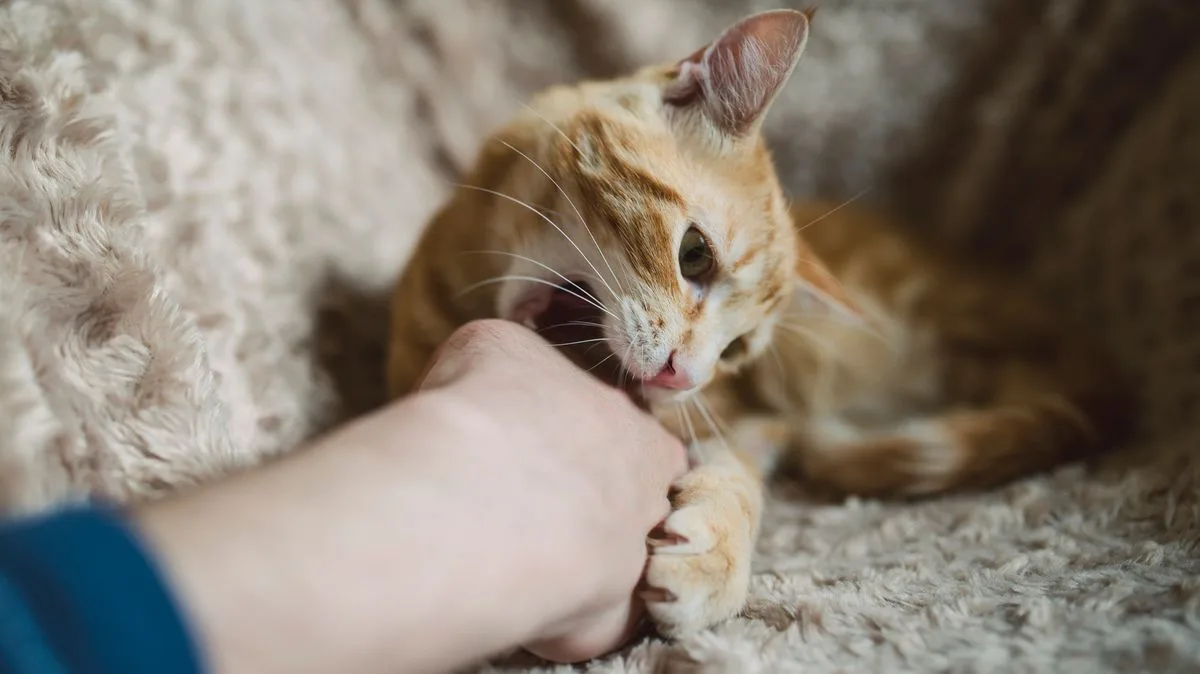
Pet owners, particularly those with feline companions, are being urged to take any scratches or bites from their cats seriously, as what might appear to be a minor wound could potentially lead to severe neurological complications. Medical professionals are raising awareness about Bartonella, the bacterium responsible for cat scratch disease, which in rare instances can result in memory impairment, organ dysfunction, and vision loss.

Neurologist Shares Alarming Case Study

Dr. Baibing Chen, a board-certified neurologist and epileptologist known online as Dr. Bing, recently detailed a concerning case through social media. He described treating a teenage patient who presented with confusion, severe headaches, and significant difficulty walking. "Her parents reported that she had become unusually tired and clumsy," Dr. Chen explained, "and her condition deteriorated to the point where she could barely stand."

Initially, medical tests failed to identify the cause of her symptoms, which included decreased vision in one eye. "We found no evidence of stroke, meningitis, or autoimmune disorders," Dr. Chen noted. The breakthrough came when doctors discovered "a few scratches on her arm" from a recently adopted kitten, leading to testing that confirmed Bartonella infection.

Wide Pickt banner — collaborative shopping lists app for Telegram, phone mockup with grocery list

Understanding Bartonella and Its Potential Severity

While most individuals infected with Bartonella experience mild symptoms such as swollen lymph nodes, fever, and fatigue, the bacterium can occasionally affect the nervous system and eyes. This rare progression can lead to brain damage and painful vision impairment. Fortunately, the condition is treatable with antibiotics, and symptoms typically improve with proper medical intervention, including vision restoration.

Dr. Chen emphasized that this warning is not about fostering fear of cats. "Cats can be wonderful companions," he stated. "This is about awareness. If you receive a scratch, bite, or even a lick on an open wound from a cat, and subsequently experience persistent headaches, confusion, balance issues, or vision changes, you must inform your doctor. These details can be crucial for accurate diagnosis."

What Is Cat Scratch Disease?

Commonly referred to as cat scratch fever, this bacterial infection is not carried by all felines. The risk arises when cats become infected with B. henselae bacteria through flea bites. Transmission to humans occurs via scratches, bites, or licks on open wounds.

Symptoms typically emerge three to ten days after exposure and may include:

  • Bumps or rashes under the skin
  • Swollen, painful lymph nodes
  • Fever
  • Muscle, bone, or joint aches
  • Loss of appetite or weight loss
  • Persistent fatigue

Preventive Measures for Cat Owners

To minimize the risk of Bartonella infection, experts recommend several precautions:

  1. Avoid cat bites and scratches whenever possible
  2. Prevent cats from licking any open wounds you may have
  3. Keep any cuts or scratches clean and monitor them closely
  4. Consider keeping cats indoors to reduce their exposure to fleas, thereby lowering the chance of bacterial transmission

By maintaining vigilance and seeking medical attention when necessary, cat owners can enjoy their pets' companionship while safeguarding their health against this rare but potentially serious bacterial threat.

Pickt after-article banner — collaborative shopping lists app with family illustration




