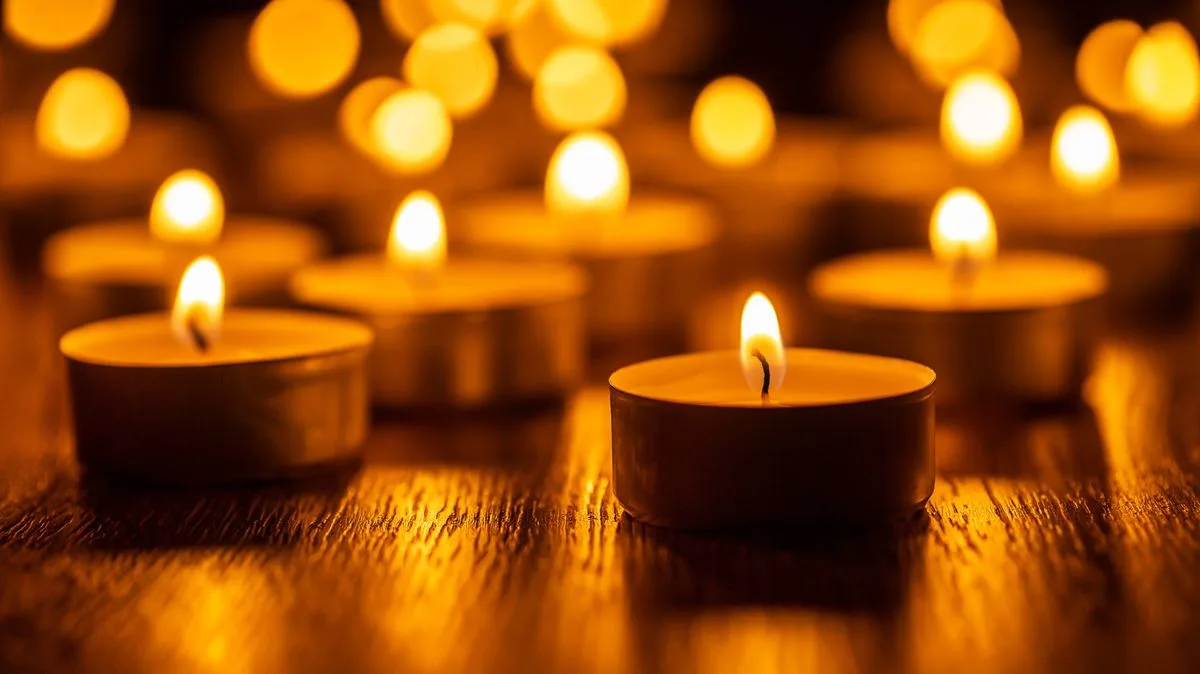
Cosy Candles Pose Hidden Health Risks: New Study Reveals Cancer-Linked Chemicals
Candle Burning Releases Cancer-Linked Chemicals, Study Finds

Cosy Candles Pose Hidden Health Risks: New Study Reveals Cancer-Linked Chemicals

During the winter months, when days are short and cold and nights are long and dark, creating a warm and cosy indoor atmosphere can feel especially important. In Denmark, for instance, around 75 per cent of the population burns candles two or more times a week, with 34 per cent using them daily in winter. Denmark is often cited as having the highest per-capita candle consumption in Europe, with Danes burning approximately 5.8kg of candle wax per person annually—equivalent to about six bags of sugar.

The Invisible Danger of Indoor Air Pollution

However, despite their aesthetic appeal, studies indicate that burning candles is one of the most significant sources of indoor air pollution. This occurs because candles emit a large number of ultrafine particles during combustion. These particles are so minuscule that they are invisible to the human eye, being over a thousand times thinner than a human hair. They can remain airborne for extended periods, and when candles are extinguished, the concentration of these particles, including soot, increases even further.

In controlled experiments at Aarhus University, researchers examined how indoor air is affected by both burning candles and cooking pork in an oven. Cooking, particularly frying, is known to emit high concentrations of particles due to combustion processes, which are among the most harmful to human health. Yet, less was understood about the role of particles from candles in indoor air pollution.

Wide Pickt banner — collaborative shopping lists app for Telegram, phone mockup with grocery list

Comparing Particles from Candles and Cooking

The research found that while both activities emit high levels of particles, the number from candles was much higher. More notably, there was a stark difference in particle size: cooking produced particles about 80 nanometers wide, whereas candles generated particles around seven to eight nanometers in size—much smaller and easier for lungs to inhale.

Additionally, chemical compounds in the air were measured, revealing that burning candles not only releases soot particles but also gases such as nitrogen dioxide and polycyclic aromatic hydrocarbons (PAHs). PAHs are a group of chemicals associated with inflammation and even cancer, highlighting the serious health implications.

Health Impacts of Ultrafine Particles

Ultrafine particles are particularly concerning from a health perspective. They are easily inhaled into the lungs but excreted from the body very slowly. Due to their extremely small size, these particles can penetrate deep into the smallest airways, known as the alveoli, and may even enter the bloodstream, potentially reaching organs like the heart and brain.

Remarkably, the particles formed during candle burning are similar in size and composition to those found in diesel exhausts, which have been linked to increased mortality rates from lung and cardiovascular diseases. The study also investigated effects on young adults with mild asthma, finding subtle but measurable biological changes after exposure to candle emissions. Markers of airway and blood inflammation were altered, and participants reported irritation and discomfort.

Vulnerable Groups and Long-Term Risks

Other studies among healthy adults have observed small decreases in lung function, changes in arterial stiffness and heart rate, and reduced cognitive function after exposure to burning candles. People with chronic conditions like asthma or chronic obstructive pulmonary disease are far more sensitive to particulate air pollution, as their already inflamed airways can be triggered by even low levels of pollution, including from candles.

Children, older adults, and individuals with chronic illnesses are also particularly vulnerable due to immature lungs or weakened immune systems. For anyone with respiratory conditions, indoor air quality is not a minor detail but a key factor in symptom control and long-term health.

Practical Steps for a Healthier Indoor Environment

Fortunately, simple measures can help maintain a healthier indoor climate. Consider using LED candles or limiting the number of candles lit at once. Place candles away from drafts to avoid flickering flames, which produce more soot and smoke. Trimming candle wicks can reduce soot formation, and candles should never be burned near people with respiratory diseases.

Pickt after-article banner — collaborative shopping lists app with family illustration

Most importantly, air out the room afterwards by opening windows. These steps can significantly reduce particle levels, ensuring that cosy or hygge-time remains healthy for everyone.




