Berlin Zoo's Specialised Tours Create Joy for Dementia Patients
Cultural institutions worldwide are increasingly embracing inclusivity through barrier-free programming, with Berlin Zoo leading innovative efforts through specialised tours designed specifically for people living with dementia. These carefully crafted experiences provide meaningful engagement and social connection for participants while challenging societal taboos surrounding cognitive conditions.
Personal Experiences Highlight Tour Impact
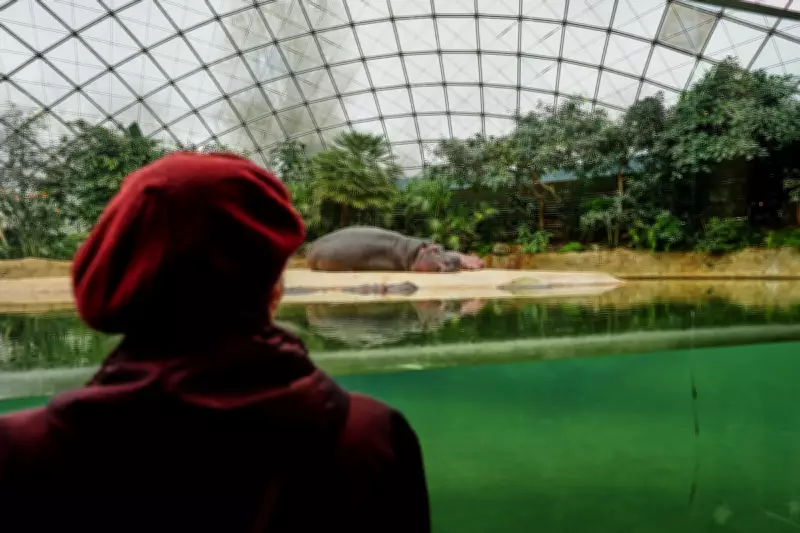
During a recent tour organised by Malteser Deutschland, the German branch of the international Catholic aid organisation Malteser Order of Malta, participants demonstrated the profound effects of these tailored experiences. Christel Krueger, aged 86, gazed with wonder through thick glass at a mother hippopotamus and her calf resting on a sandbar, while Ingrid Barkow observed elephants from her wheelchair and Monika Jansen balanced on tiptoes for a better view of rhinoceroses.
"When I get home, I'll still be thinking about it," remarked Jansen, 85. "Maybe even at night, while I'm sleeping and dreaming about it." These three women represent just a fraction of Germany's approximately 1.6 million dementia patients, a number projected to surge to 2.8 million by 2050 according to the Office of the National Dementia Strategy.

Global Movement Toward Inclusive Cultural Programming
Museums and cultural venues across the globe have significantly expanded their accessibility offerings in recent years, incorporating specialised tours made possible by technological advances and growing awareness. These initiatives now include sign-language interpretation for deaf and hard-of-hearing visitors, tactile experiences for those with visual impairments, and autism-friendly programming alongside dementia-specific tours.
Malteser Berlin developed their cultural program specifically for dementia patients last year, with project coordinator Christine Gruschka emphasising: "People with dementia aren't very visible in our society. It's still a major taboo subject, yet it actually affects a great many people and it's important that they continue to be at the heart of society. They have a right to participate, just like everyone else."
Tailored Approach Addresses Specific Needs
Dementia involves progressive deterioration of memory, reasoning, language skills and other cognitive functions, often accompanied by personality changes and emotional regulation challenges. While Alzheimer's represents the most recognised form, numerous dementia types exist with distinct symptoms and biological mechanisms.
Malteser Berlin's current dementia-friendly tours include visits to Berlin Zoo, the Museum of Natural History, Britzer Garden and Charlottenburg Palace, with plans to expand to additional locations. Tour coordinator Carola Tembrink explained their tailored approach: "'Normal' tours — so-called normal tours — are often too fast, too loud, with too many people and too many distractions. That's why we've made it our goal to create programs specifically for people with dementia: Where they still feel seen, where they feel comfortable, and where they can still show that they're still here and can still be part of it."
Strategic Design Maximises Engagement
During zoo tours, Tembrink intentionally limits the itinerary to hippopotamus, rhinoceros and elephant habitats to prevent participant fatigue or sensory overload. "The zoo is a wonderful place for tours like this because almost everyone who grew up in Berlin has been here as a child," she noted. "And especially for people with dementia, childhood memories are often still present — they just need to be jogged a bit — and that happens naturally when they see the animals, smell the air as they enter the zoo, or when they go into the rhino house and catch a different scent."

Support Networks Benefit Equally
For caregivers and family members, these specialised tours provide crucial respite and community connection during what can be emotionally demanding caregiving journeys. Kerstin Hoehne, daughter of participant Christel Krueger whose dementia diagnosis came last year after two years of symptoms, appreciated the shared experience: "What's nice is that it's also with, let's say, like-minded people, that you're not alone, but that you have a sense of belonging because everyone else might have the same problem."
Manuela Grudda, who accompanied her mother Ingrid Barkow, found the tour strengthened their bond as she pushed the wheelchair through zoo pathways. "I can't really communicate with her in a normal way, of course, but I see that when I show her something, she looks at it, she's paying attention, and that's important," Grudda reflected. "And it just makes me happy that she's not just in her own world, but also in this one."
This innovative approach to cultural accessibility demonstrates how thoughtful programming can create meaningful experiences for vulnerable populations while fostering greater societal inclusion and understanding of dementia-related challenges.