BBC Doctor Warns Morning Leg Pain Could Signal 'Heart Attack for Your Legs'
BBC Doctor: Morning Leg Pain Could Be 'Heart Attack for Legs'

BBC Doctor Issues Urgent Warning Over Morning Leg Pain

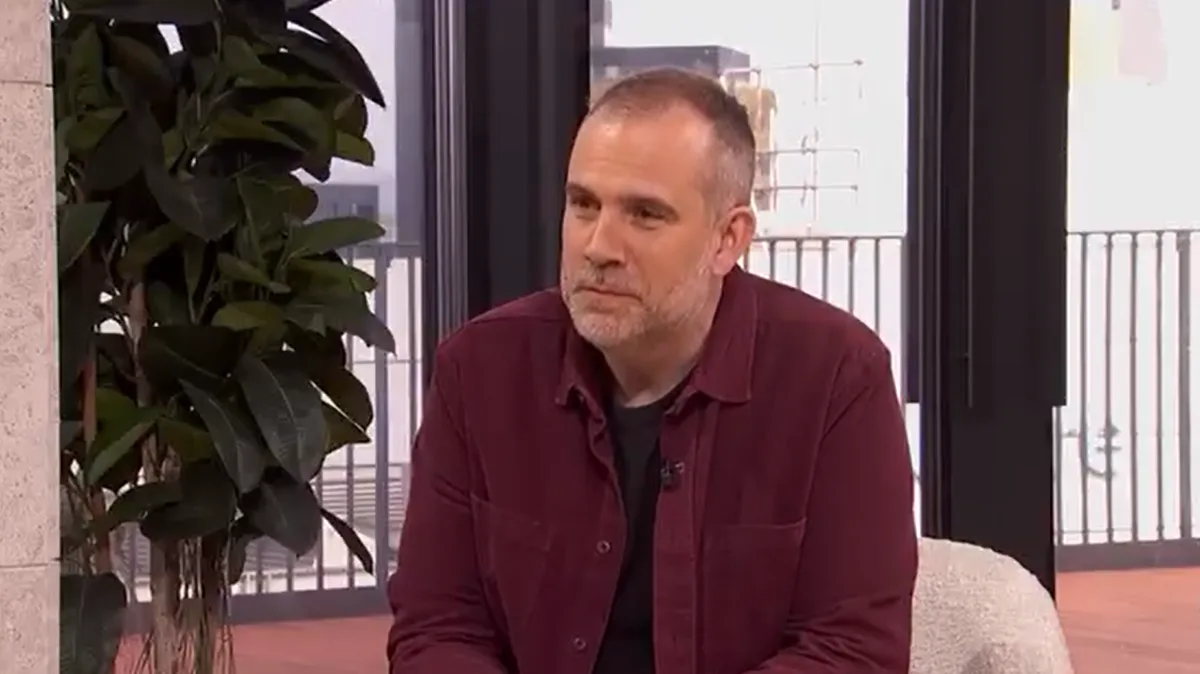
Dr Xand van Tulleken has delivered a crucial health alert for individuals who wake up experiencing pain in their legs. Appearing on BBC Morning Live, the medical expert emphasised that such symptoms should never be casually dismissed as mere consequences of ageing.

'Like a Heart Attack for Your Legs'

Dr van Tulleken explained that specific leg discomfort could indicate peripheral arterial disease (PAD), which he described as "a sort of intimidating medical term" for circulation problems in the limbs. He drew a stark comparison, stating: "It can be like a heart attack for your legs."

The doctor elaborated that arterial disease involves the same underlying issues that cause heart attacks and strokes. "Your blood vessels narrow over time," he said. "They can calcify, harden, and clog up with cholesterol, leaving a narrower space for blood flow. This means you're not getting sufficient blood supply to your legs, which can cause pain."

Wide Pickt banner — collaborative shopping lists app for Telegram, phone mockup with grocery list

Recognising the Symptoms

According to Dr van Tulleken, the pain associated with PAD has distinct characteristics. "The quality of the pain is quite specific," he noted. "People tend to describe a deep, heavy ache, similar to the muscle pain experienced when lifting weights beyond your limits at the gym."

This discomfort, medically termed "intermittent claudication," typically occurs during walking or exercise and subsides with rest. The NHS confirms that while many PAD sufferers show no symptoms, some develop painful leg aches during movement that disappear after minutes of rest.

Beyond pain, Dr van Tulleken highlighted several other potential indicators:

  • Hair loss on legs and feet
  • Numbness or weakness in the legs
  • Brittle, slow-growing toenails
  • Non-healing ulcers on feet and legs
  • Skin colour changes, appearing paler or bluish
  • Shiny skin texture
  • Erectile dysfunction in men
  • Muscle wasting in the legs

The Importance of Investigation

Dr van Tulleken stressed the critical need for medical consultation when experiencing unexplained symptoms. "It's really important that no one should ever regard any symptoms they have as just part of getting older," he asserted. "If you have a symptom and you don't know why you have it, you need to get an explanation."

Host Helen Skelton reinforced this message, noting that approximately one in five people over sixty lives with a blood vessel disorder. The NHS adds that symptoms developing quickly or worsening suddenly require immediate medical attention.

Addressing the Problem

Smoking represents a primary risk factor for PAD, according to Dr van Tulleken. He also recommended regular monitoring of cholesterol, blood pressure, and diabetes status. Surprisingly, exercise plays a crucial therapeutic role despite the pain it might initially cause.

"This may sound paradoxical," the doctor acknowledged. "You're getting pain when you exercise, but doing some exercise can stimulate new blood vessel growth and help existing vessels open up. It lowers cholesterol, reduces blood pressure, decreases stress, and improves blood sugar levels. You get so many wins from doing a bit of exercise."

The medical expert concluded by urging vigilance about bodily changes that might indicate circulation issues. "If you look at your legs, you may see changes if you don't have adequate blood supply," he said, citing examples like cold feet, non-healing cuts, and mottled skin tone as potential clues requiring medical investigation.

Pickt after-article banner — collaborative shopping lists app with family illustration




