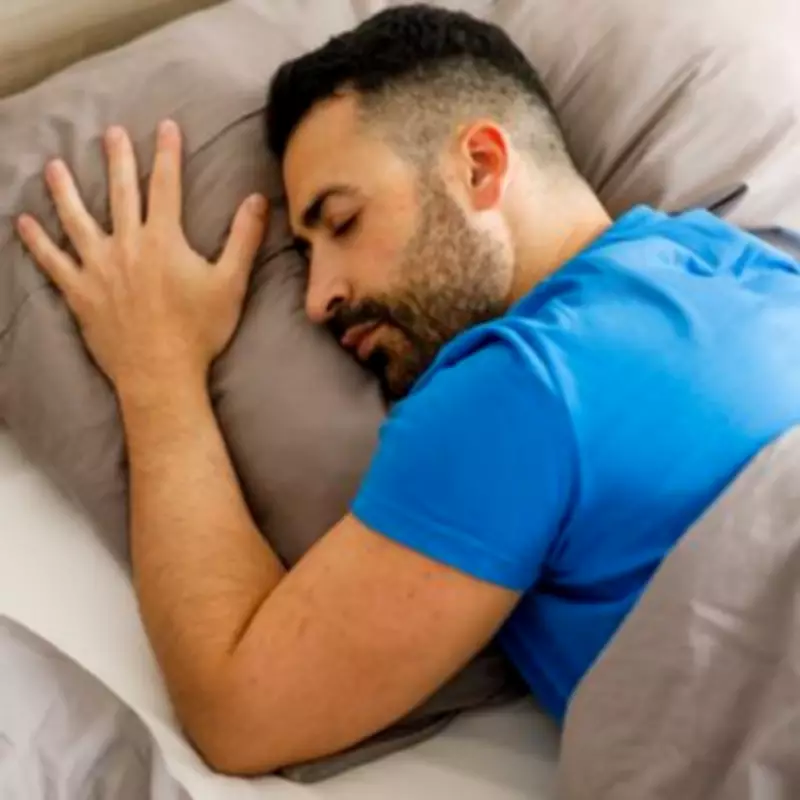
Millions of people across the United Kingdom could be experiencing a serious medical condition without ever realising it, according to a prominent BBC expert. Sleep apnoea, a disorder where breathing repeatedly stops and starts during sleep, often goes undetected because its most alarming symptoms occur when the individual is asleep.
Silent Danger During Sleep
Dr Xand van Tulleken, the resident doctor who regularly appears on BBC's Morning Live, has issued a stark warning. He claims that approximately eight million people in the UK might have sleep apnoea, yet only a small fraction have received an official diagnosis. The condition involves the airways becoming blocked during deep sleep, leading to breathing difficulties that manifest as more than typical snoring—often described as "snorts and snuffles."
Why Sleep Apnoea Is a Serious Concern
Left untreated, sleep apnoea can escalate into severe health complications. These include an increased risk of developing high blood pressure, type 2 diabetes, heart disease, and a higher likelihood of suffering a stroke. The insidious nature of the condition means that many individuals, especially those without a partner to observe their sleep patterns, may never recognise the red flags.

Presenter Rav Whilding highlighted this issue on the BBC show, noting that while listening to an example of sleep apnoea, there were "quite obvious" signs something was amiss. He emphasised that solitary sleepers might "never know" they are displaying these critical warning signals.
Gathering Evidence with Technology
Dr Xand advises that individuals concerned about fatigue, exhaustion, or excessive tiredness should consult their GP. To bolster their case, he suggests using widely available smart devices. "We now almost all carry [smart devices] that can record our snoring," he explained. "A lot of people have got smartwatches that can even measure the oxygen in their blood."
However, he cautions that these tools are not diagnostic devices and will not provide a definitive diagnosis. Instead, they can help gather evidence. "You can get apps that will activate when you're snoring. Record that and listen for gaps and start to suggest [to your doctor] a pattern that may be sleep apnoea," Dr Xand recommended.
Available Treatments and Lifestyle Changes
Treatment for sleep apnoea often begins with lifestyle modifications. These can include losing weight, quitting smoking, and reducing alcohol consumption. In many cases, these changes alone can alleviate symptoms.
For more severe instances, medical interventions are available. A common treatment involves using a CPAP machine, which gently pumps air into a mask worn during sleep to prevent airway narrowing. The NHS typically provides these devices free of charge to diagnosed patients. Surgery may also be considered as a potential option, depending on the specific circumstances and severity of the condition.
The overarching message from Dr Xand is clear: awareness and proactive evidence-gathering are crucial. With millions potentially affected, recognising the signs of sleep apnoea could be a vital step in preventing long-term health issues and improving overall well-being.