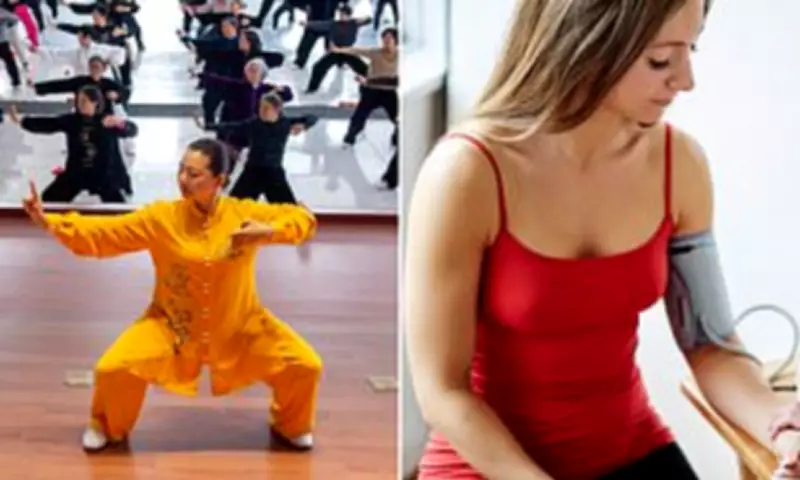
New research has uncovered that a traditional Chinese breath-work routine, known as baduanjin, could be just as effective at reducing blood pressure as engaging in a brisk walk. This ancient practice, which has been popular in China for nearly a millennium, involves a series of eight slow arm movements combined with deep breathing exercises, typically performed for ten to fifteen minutes each session.
Understanding Baduanjin and Its Health Benefits
The movements in baduanjin include actions such as lifting the hands over the head with fingers interlocked, pressing one hand up while the other goes down, and reaching out to touch the feet. These gentle, low-impact exercises have made baduanjin particularly popular among older generations in China, where it is valued for improving sleep quality, enhancing spine flexibility, and building muscle strength.
Research Findings on Blood Pressure Reduction
Researchers from the National Center for Cardiovascular Diseases (NCCD) in Beijing conducted a study tracking blood pressure changes in over 200 individuals from seven communities across China. All participants were over 40 years old and had hypertension, an early stage of high blood pressure. In the United Kingdom, more than 14 million people suffer from high blood pressure, which is the leading cause of heart attacks and strokes.

The participants were divided into three groups: one assigned to practice baduanjin five times a week, another to engage in self-directed exercise, and the third instructed to go for a brisk walk regularly. After a year, the results showed that the baduanjin group achieved a reduction in blood pressure comparable to that of the brisk walkers. This reduction was also similar to the effects produced by some first-line medications for hypertension.
Implications for Public Health and Lifestyle Interventions
Dr. Jing Li, lead author of the study and director of the Department of Preventive Medicine at the NCCD, highlighted the potential of baduanjin as a practical health intervention. She stated, 'Given its simplicity, safety, and ease at which one can maintain long-term adherence, baduanjin can be implemented as an effective, accessible, and scalable lifestyle intervention for individuals trying to reduce their blood pressure.'
Current NHS guidelines recommend that individuals with high blood pressure aim for at least 150 minutes of moderate exercise per week, such as brisk walking, swimming, or cycling. The findings from this study suggest that incorporating baduanjin into routine exercise regimens could provide a valuable alternative, especially for those seeking low-impact options. This research underscores the importance of exploring diverse physical activities to combat hypertension and promote overall cardiovascular health.