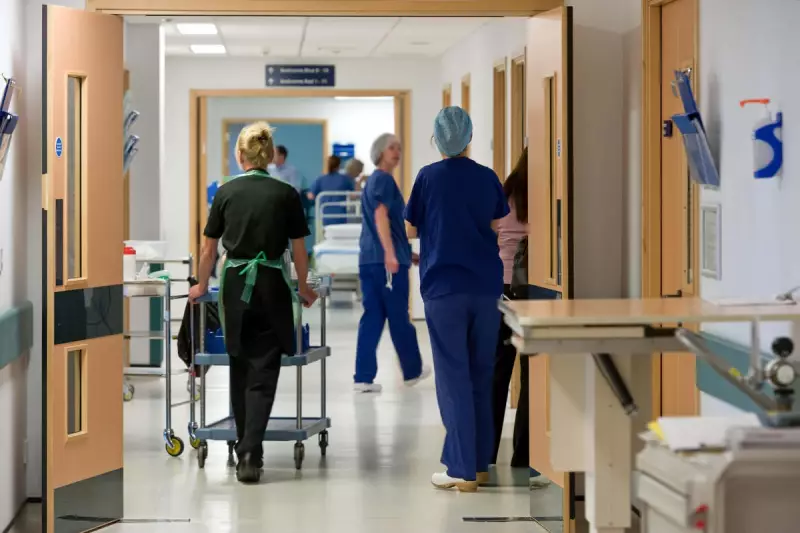
A leading emergency medicine doctor has issued a stark warning that treating patients in hospital corridors has become a 'normalised' part of the NHS, posing a severe threat to safety.
Alarming Death Toll Linked to A&E Delays
Dr Ian Higginson, president of the Royal College of Emergency Medicine (RCEM), expressed dismay that the practice continues despite shocking data. The RCEM estimates that over 16,600 patient deaths last year were associated with dangerously long waits for a hospital bed after arriving at A&E. This staggering figure averages out to approximately 320 potentially avoidable fatalities every single week.
Dr Higginson stressed that effective and dignified care is impossible to deliver in busy corridors, where privacy, monitoring, and proper facilities are lacking. He voiced frustration that these alarming statistics have not yet spurred the level of decisive government action required to solve the systemic crisis.

Medical Leaders Condemn 'Unsafe and Undignified' Practice
The condemnation of so-called 'corridor care' is widespread among healthcare professionals. Professor Nicola Ranger, the Royal College of Nursing's acting general secretary, and Dr Helen Neary of the British Medical Association have both publicly criticised the practice.
They describe it as fundamentally unsafe and undignified for patients, while placing an immense moral burden on exhausted frontline staff. The consensus among medical leaders is clear: ending corridor care requires significant and sustained investment in more hospital beds, increased staffing, and properly funded community social care services to ease patient flow.
Government Pledges Versus On-Ground Reality
While Health Secretary Wes Streeting has pledged to end the scandal of corridor care, Dr Higginson remains sceptical about the adequacy of current solutions. He argues that tinkering at the edges is insufficient and advocates for deep, systemic improvements.
These include enhancing hospital efficiency and discharge processes, but crucially, also bolstering community-based health and social care services to prevent avoidable admissions and facilitate timely discharges. Without this whole-system approach, experts fear the normalisation of corridor care will continue, with tragic consequences for patient safety.