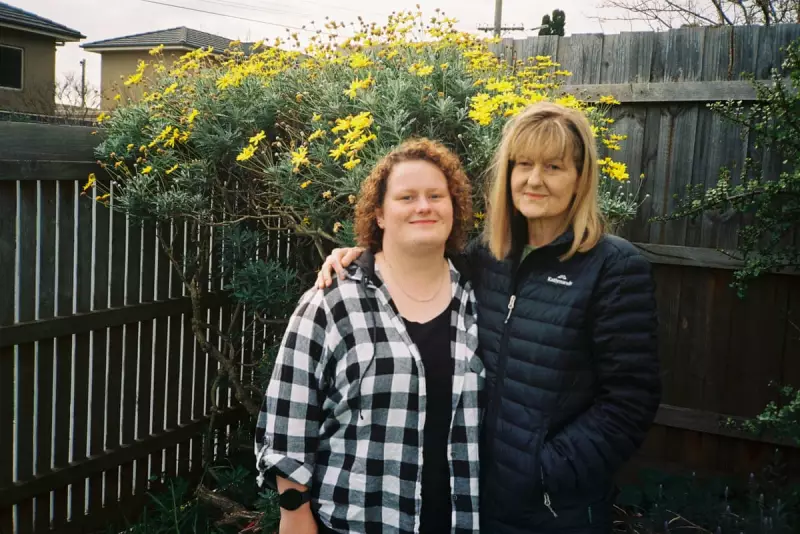
Eve Gardiner still remembers the profound peace that filled the room as her mother, Gillian, chose her final moments through Victoria's voluntary assisted dying program. "Her death was tranquil," Eve recalls, the memory vivid and comforting. "She was surrounded by love, on her own terms."
The Barriers to a Peaceful Passing
Despite the peaceful outcome, Eve is now campaigning for significant reforms to Victoria's VAD laws, arguing that the current system creates unnecessary hurdles for those seeking a dignified death. "The process is too complex, too lengthy, and excludes people who should have access," she explains to Victorian MPs.
The existing legislation requires multiple assessments, waiting periods, and strict eligibility criteria that can prevent timely access for those suffering from degenerative conditions or other qualifying illnesses.
Key Areas for Reform
- Streamlined assessments: Reducing the number of required evaluations
- Expanded eligibility: Including more neurodegenerative conditions
- Reduced waiting periods: For patients with rapidly declining health
- Improved access: In regional and rural areas
A Personal Journey to Advocacy
Eve's transformation from a private citizen to a public advocate began during her mother's final months. Watching Gillian navigate the complex VAD process while managing her illness revealed the system's flaws firsthand.
"Mum had clarity about her choice, but the bureaucratic hurdles added stress to an already difficult time," Eve shares. "No one should have to fight for their right to a peaceful death."
The Human Cost of Complexity
Medical professionals and advocacy groups echo Eve's concerns, noting that the current framework can be particularly challenging for:
- Patients in remote areas with limited specialist access
- Those with conditions that cause rapid deterioration
- Individuals from disadvantaged backgrounds
- People with certain neurological diseases
Looking Forward: The Push for Change
Eve's campaign comes as Victoria reviews its groundbreaking VAD legislation, with many advocates arguing the laws need to evolve based on real-world experience. "We have the evidence now," she states. "We've seen what works and what doesn't. It's time to make it better."
Her message to lawmakers is simple but powerful: "This isn't about making death easier - it's about making suffering optional. It's about giving people the same peaceful choice my mother had, without the unnecessary barriers."
As the debate continues in Victoria's parliament, Eve's personal story serves as a poignant reminder of the human faces behind the policy discussions, and the profound impact legislative decisions have on people's most vulnerable moments.