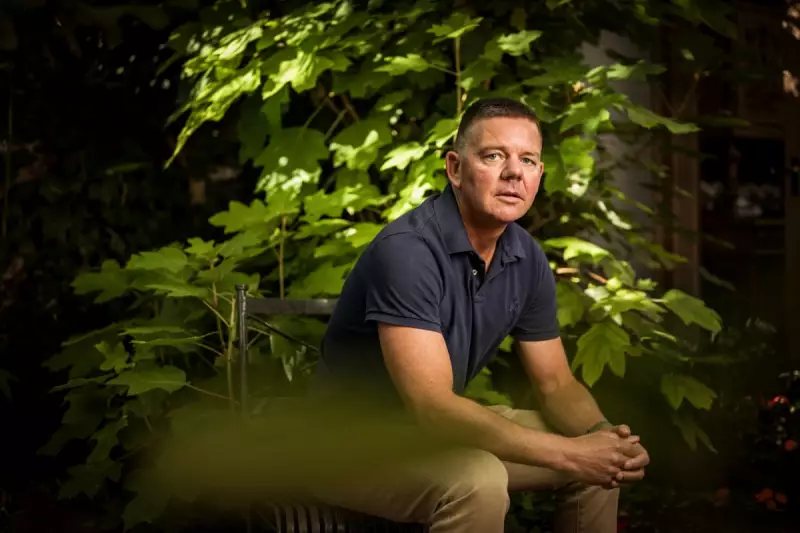
The Victorian government has unveiled a significant funding package of $26.7 million dedicated to the community forensic youth mental health service, an initiative spearheaded by forensic psychiatrist Adam Deacon. This substantial investment aims to tackle the escalating youth crime crisis by focusing on early intervention and understanding the underlying factors driving offending behaviour among young people.
Understanding the Child Behind the Crime
Adam Deacon, with nearly two decades of experience in Victoria's youth justice system, emphasises that many young offenders come from backgrounds marred by disadvantage, trauma, abuse, or neglect. He notes that most children he works with have complex neurological disorders or disabilities, with an increasing number presenting with autism or ADHD, often undiagnosed until they enter the justice system.
Deacon explains that vulnerabilities were exacerbated by Melbourne's prolonged Covid-19 lockdowns, which disrupted education and social support networks. Many children, lacking stable housing or internet access, fell behind in school and were unable to return, making them susceptible to recruitment by organised crime groups.

The Impact of Lockdowns and Technology
The lockdowns, among the longest globally, left some children with "literally no education," according to Deacon. This educational gap, combined with exposure to inappropriate online content and the ease of recruitment via mobile phones, has contributed to a rise in youth offending. Deacon points to instances where children are paid small sums for crimes like arson or car theft, a trend he attributes to technological advancements facilitating organised crime.
Government Response and Funding
In response to rising crime rates, the Victorian government has introduced new laws, including tighter bail conditions and "adult time for violent crime" measures, allowing longer sentences for serious offences. Concurrently, funding has been allocated to early-intervention programs, with the recent $26.7 million boost enabling Deacon's service to expand its reach.
This funding will support earlier access to mental health services, allow referrals from child protection agencies, and pilot a school-based program targeting children in years 5 to 7 who exhibit concerning behaviours. Mental Health Minister Ingrid Stitt highlighted that this investment aims to keep young people "on the right track for a bright future."
A Holistic Approach to Prevention
Deacon argues against polarising views that label young offenders as "bad children," advocating instead for a nuanced understanding of their circumstances. By addressing root causes such as trauma and disability, the service seeks to intervene before offending occurs, offering a chance for rehabilitation and support.
He stresses that while custody has a role, locking away young offenders without addressing their needs is ineffective. The funding aligns with broader efforts, including the Violence Reduction Unit, modelled on successful initiatives in Glasgow, to reduce crime through community-based strategies.
Broader Implications and Support
The rise in youth crime, with police data showing a 9% increase attributed to repeat offenders aged 12 to 17, underscores the urgency of this issue. Deacon's work highlights the importance of mental health support in breaking cycles of offending, with services available through organisations like Beyond Blue and Lifeline in Australia, and Mind and Childline in the UK.
This approach not only aims to reduce crime rates but also to provide vulnerable children with the tools to overcome adversity and build positive futures, emphasising prevention over punishment in tackling Victoria's youth crime challenges.