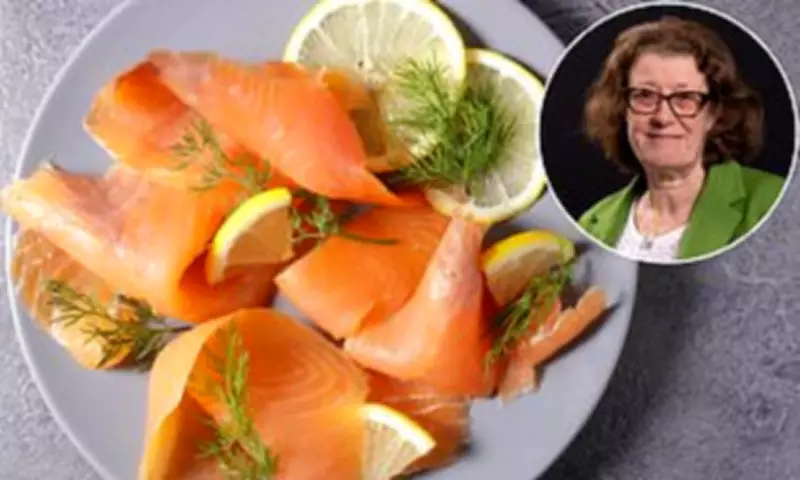
Smoked salmon, once a festive treat reserved for Christmas, has become a common staple, even available in petrol station sandwiches. However, experts warn that consuming too many chemicals produced during smoking could elevate the risk of certain cancers. This includes not only smoked salmon but also smoked meats, cheeses, and even smoky bacon crisps, which may contain carcinogenic compounds.
How Smoking Creates Harmful Chemicals
Smoking involves hanging food over smouldering wood. When wood burns in low-oxygen conditions, it generates chemical compounds that settle on the food, including polycyclic aromatic hydrocarbons (PAHs), known carcinogens. Dr. Idolo Ifie, a food processing lecturer at the University of Leeds, explains: "These compounds can harm the body when ingested at high concentrations. Avoiding them entirely would be extreme, but people should be more conscious of their intake and aware of potential dangers." Studies have linked high PAH consumption to increased risks of breast, prostate, and colorectal cancers.
Higher Than Expected Levels
Recent studies highlight that PAH levels in commonly consumed smoked foods are higher than anticipated, prompting urgency in classifying them as health risks. A 2024 study in Discover Food found that smoked meat and fish had higher PAH concentrations than grilled counterparts, with some smoked fish like mackerel exceeding EU recommendations. Traditionally used for preservation, smoking is now primarily for flavour, often at higher temperatures that generate more harmful compounds, notes Professor Jane Parker of the University of Reading.

Factors Influencing PAH Content
Dr. Ifie notes that PAH levels vary based on smoke temperature, duration, distance from smoke, and wood type. Research from the University of Bucharest found that plum, alder, and birch wood produce the most PAHs, while applewood creates the least. The UK lacks regulations on wood types, though oak is common. Consumers might opt for milder smoked products, which use less heat and likely contain fewer PAHs. Fattier foods like smoked meat may be worse than salmon, as dripping fat creates more smoke that adheres to the food.
Smoke Flavourings Also Risky
Smoke flavourings, used in crisps and sauces, were once seen as safer alternatives. However, the EU announced a ban on smoke flavourings in 2024 due to similar carcinogenic content. Professor Parker states: "Whether you use smoke flavourings or traditional smoking, you will be exposed to carcinogens." The good news is that many people carry enzymes that break down PAHs, but genetic differences affect metabolism. Those with suppressed immune systems may be more susceptible.
Moderation is Key
Dr. Ifie advises eating smoked foods in moderation, limiting them to once a week. Professor Parker consumes smoked salmon once or twice weekly for omega-3s, with smoked bacon monthly and smoked cheese occasionally. Dietitian Clare Thornton-Wood recommends balancing benefits and risks: smoked foods are often high in salt, which harms blood pressure, but oily fish provide valuable omega-3s. She suggests opting for grilled or tinned fish instead. While smoked foods should not dominate the diet, small amounts weekly are unlikely to pose significant harm.
In summary, experts urge awareness but not panic. Smoked foods can be part of a balanced diet if consumed in moderation, alongside healthier alternatives.