A Life Shattered by a Radio Bulletin
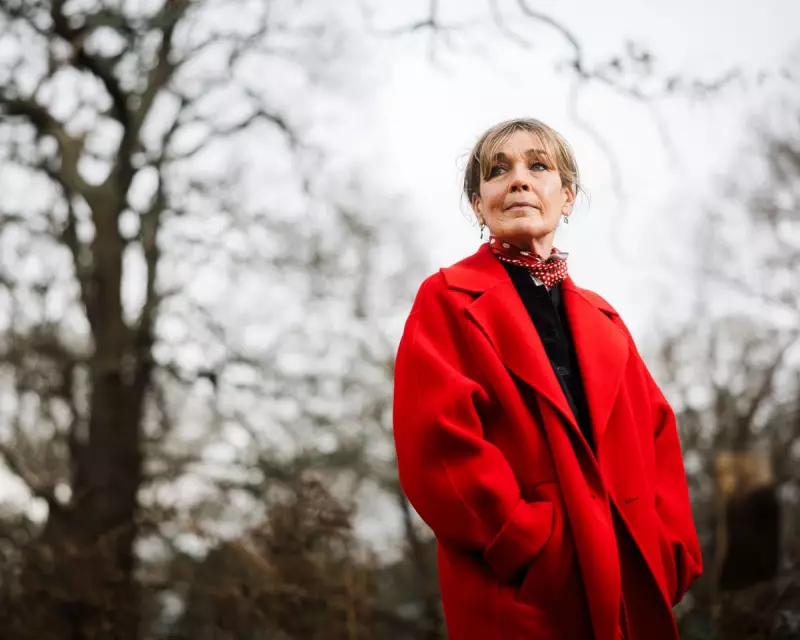
Fiona Collier's world irrevocably changed one sunny May bank holiday in 1978, when as a 16-year-old boarding school pupil, she heard the unthinkable on her bedroom radio. The announcer spoke her parents' names, reporting they along with her 14-year-old sister Emma were missing, presumed dead after their helicopter disappeared over the Channel returning from Le Touquet. "The housemaster and his wife stand in the corridor outside my bedroom, not allowing anyone in," Collier recalls. "All they can hear are my screams and the smashing of furniture."
The Immediate Aftermath: Numbness and Disbelief
What followed were days of suspended reality, where Collier clung to hope that the helicopter's functioning floats meant her family might be found alive. "Louise and I joke about how my mother will be complaining about her hair being flat if it has got wet," she remembers of those first bewildering days. The grim reality unfolded gradually over weeks as tides delivered her father's body to a French beach, then her mother's, and finally Emma's, still strapped into her seat.
The return to her family home in Harpenden, Hertfordshire, was marked by sensory fragments that remain vivid decades later: "The only recollection of the journey that I have is the smell of leather, Isaac sobbing and his aftershave." The house filled with strangers, ringing phones, and well-meaning chaos, while Collier felt "like I am on a tightrope high above them – I dare not move or talk."

Family Dynamics and Complicated Grief
The tragedy exposed complex family relationships, particularly with her aunt Bunny, her father's sister who became executor of the estate. Collier describes discovering Bunny had emptied the family safe of her mother's jewellery shortly after the accident, including a cherished charm bracelet with 26 tokens representing milestones in her parents' life together. Later, when transporting her father's substantial wine collection to Bunny's house, Collier confronted her aunt about taking bottles from the rack, only to be told bluntly: "Your parents are dead."
Visiting the family's holiday home in Portugal's Praia da Luz weeks after the accident revealed further losses: "My mother had a large lockable cupboard in her bedroom containing all her personal belongings... When we arrived, the cupboard was empty." The local caretaker Maria hugged her crying, explaining Bunny had taken everything and threatened her job if she allowed Collier access.
The Long Silence and Search for Healing
Unable to return to school, Collier attended a secretarial course in Cambridge, occupying a bare attic room where she wanted "to be lying alone, naked, in the Himalayas." Her grief manifested as heightened senses and what friends called "fits" – episodes triggered by innocent questions about family that could send her running barefoot through London streets, once over glass without feeling the cuts.
"I have never been able to talk about what happened, not even to my husband," she reveals. "He says that, after 35 years of marriage, it is only through my writing about it that he has truly been able to understand me." Her daughter Emma, named for her lost sister and a former journalist, noted that today's media regulations would have prevented her learning of the deaths via radio broadcast without next-of-kin notification.
Reflections on Time, Love, and Recovery
Now studying for an MA in children's literature and creative writing at Goldsmiths, Collier reflects on the adage that time heals: "I am not sure that this is true. I believe love is a healer." She describes the profound challenge of learning to love and be loved again when "the fear of losing someone is deep-rooted in every cell of my body."
Her relationship with surviving sister Louise remains shaped by their shared trauma, dealt with in "very different ways," while sister Sophie with special needs lives in residential care. Collier has come to understand Bunny's complicated grief as possibly stemming from a woman constrained by 1970s expectations, losing a brother who provided both financial and emotional support.

Standing at New Cross station after college, she looks up at the Amersham Arms illuminated with "Take Courage" in red neon – a fitting metaphor for a journey that began with a radio bulletin and continues through writing, family, and hard-won understanding.