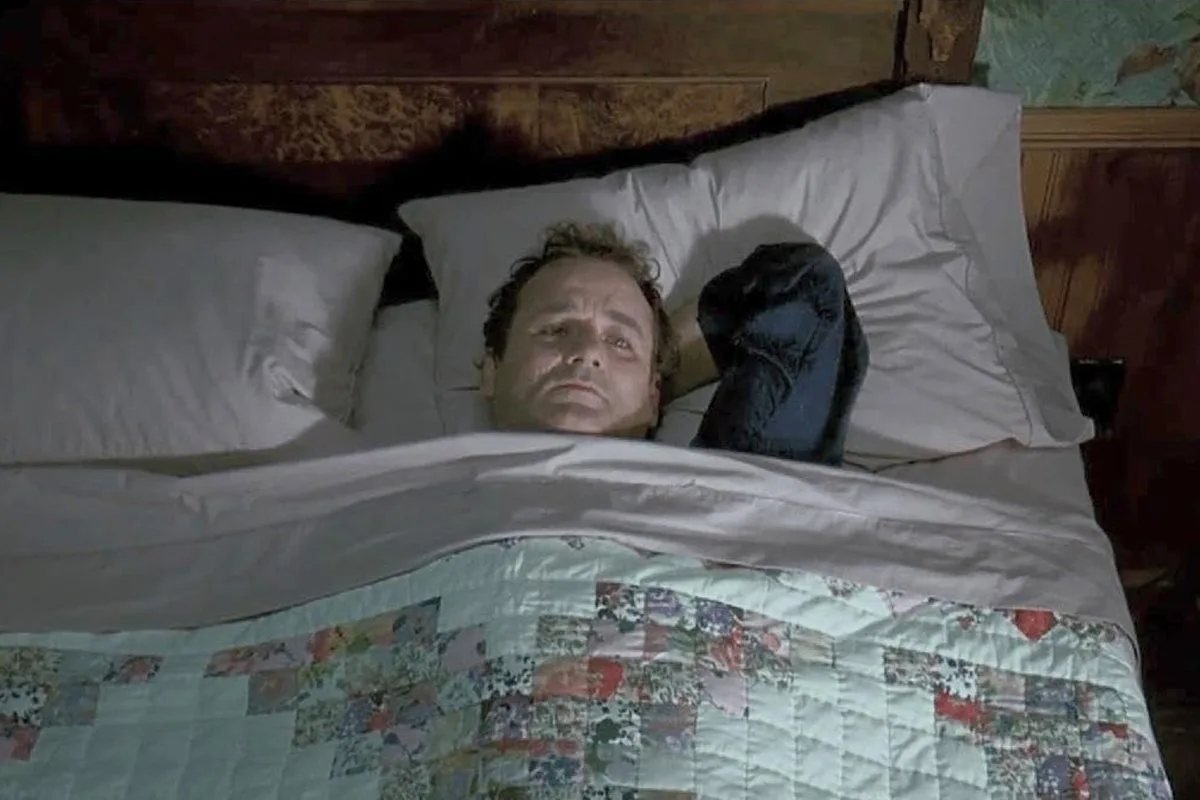
Gen Z's 'Bed Rotting' Trend: Experts Warn of Mental and Physical Health Risks
Experts Warn of Health Risks from 'Bed Rotting' Trend

On cold, dark winter days, the temptation to burrow under the duvet and stay there can feel overwhelming. However, health experts are raising the alarm over the potential consequences of this modern habit, now widely known as 'bed rotting'.

The Rise of a Viral Trend

The practice, which involves spending extended periods in bed while awake, surged in popularity on social media in the late 2010s. It is particularly prevalent among Gen Z, with nearly a quarter of those aged 14 to 30 admitting to it, according to the American Academy of Sleep Medicine. More than half of America's youth spend over 30 minutes in bed before sleep, and 27% do the same upon waking.

On platforms like TikTok, influencers promote 'bed rotting' as a form of self-care and a boost for mental wellbeing. Yet, this trend has historical roots; a 19th-century Scottish term, 'hurkle durkle', described a similar act of lingering in bed.

Expert Warnings and Hidden Dangers

Despite its online popularity, medical professionals urge caution. Dr. Nicole Hollingshead, a clinical assistant professor at Ohio State Wexner Medical Centre, highlights a dangerous cycle: 'There’s a strong circular link between depressed mood leading to inactivity – meaning, the more depressed you feel, the fewer activities you do, leading to a more depressed mood and more inactivity.'

Experts warn that what may begin as rest can morph into a symptom of depression and a decline in personal hygiene. In extreme cases shared online, 'bed rotting' environments feature mould, dead insects, and piles of old food containers.

Licensed mental health counsellor M. Clark Canine told Oklahoma’s News on 6 that the practice can become an avoidance tactic: 'If you are doing it because of anxiety or depression, then you are not coping. You are hiding.' Psychiatrist Dr. Samantha Boardman added that many people feel more drained, not refreshed, after prolonged sessions.

Finding a Balance: Rest Versus Rot

The consensus is not that all rest is bad. Short, intentional breaks can reduce stress, especially for those constantly connected to smartphones, which are linked to anxiety. More than a third of American adults are sleep-deprived, according to the CDC, raising risks for chronic diseases and poor mental focus.

However, using bed rotting to compensate for lost sleep can backfire. Dr. Anne Marie Morse of Geisinger Health System cautions that it disrupts the sleep-wake cycle, which regulates vital functions like heart rate and blood pressure. 'These trends may not be inherently harmful, but it’s important to remember that the bed’s primary purpose is for sleep,' she stated.

For those who partake, experts advise strict limits. Dr. Marjorie Soltis from Duke University recommends staying in bed no longer than 30 minutes to an hour. Setting an alarm, taking breaks to move, stretch, or go outside, and swapping screens for a book are crucial. The Cleveland Clinic suggests a simple litmus test: 'When you’re done rotting, do you feel energised or depleted? If it isn’t helping, stop doing it.'

Ultimately, as psychology professor Dr. Karen Dobkins notes, the key is learning to listen to your body's needs—for both rest and movement.