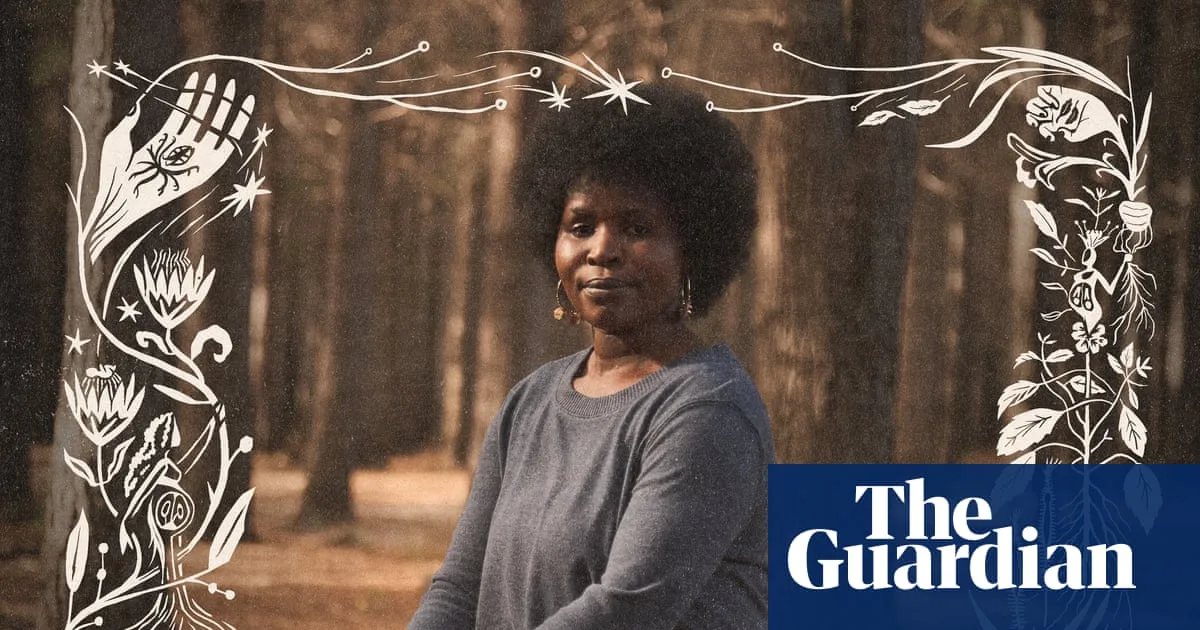
The Birth Keepers: Inside the Midwifery Empire Shaking Up UK Maternity
The Birth Keepers: A Midwifery Empire's Rise

A powerful and controversial network of independent midwives, known as 'The Birth Keepers', is rapidly building an empire across the United Kingdom, challenging traditional NHS maternity services and sparking intense debate. This movement, explored in depth in the fourth episode of a major podcast series, champions a model of care that prioritises continuity, home births, and a philosophy deeply sceptical of medicalised intervention.

The Philosophy and Practice of the Birth Keepers

At the heart of the Birth Keepers' approach is a fundamental belief in physiological birth. Their practitioners advocate for minimal interference, supporting women through pregnancy, labour, and the postnatal period with a focus on emotional and spiritual well-being alongside physical health. This model often involves long, dedicated appointments and a close, personal relationship between the midwife and the family, a stark contrast to the more fragmented care commonly experienced within the NHS system.

The network has grown significantly, establishing a presence in numerous communities. Its proponents argue they are filling a critical gap, offering choice and a deeply personalised service for those who feel alienated by hospital-centric, protocol-driven care. Their services, however, operate largely outside the NHS framework and are paid for privately, raising immediate questions about accessibility and equity in maternity care.

Controversy and Clash with the Medical Establishment

The rise of the Birth Keepers has not been without significant friction. The movement faces fierce criticism from some quarters of the established medical community. Detractors express serious concerns about safety protocols, risk assessment, and what they perceive as an anti-science sentiment within parts of the network. There are allegations that some within the movement discourage clients from seeking necessary medical interventions, such as scans or consultant referrals, even when clinically indicated.

This tension came to a head following several high-profile and tragic cases where babies died during births attended by independent midwives. These incidents have led to coroners' warnings, intense scrutiny from regulatory bodies, and calls for stricter oversight of private midwifery practice. The podcast episode delves into these complex cases, examining the painful intersection of parental choice, professional autonomy, and clinical safety.

The Future of Maternity Care in the Balance

The ongoing story of the Birth Keepers empire forces a crucial national conversation about the future of maternity services in the UK. It highlights a growing demand for a different kind of birth experience—one that many feel the current system fails to provide. Simultaneously, it underscores the non-negotiable imperative of safety and evidence-based practice.

The debate raises profound questions: Is there a sustainable way to integrate the continuity and woman-centred care of models like the Birth Keepers into a safe, publicly-funded system? Or does their growth signify a permanent and problematic schism in UK maternity care? As the network continues to expand, regulators, the NHS, and expectant parents are all grappling with the consequences of this powerful movement reshaping the landscape of birth.

Ultimately, the saga of the Birth Keepers is more than a story about alternative healthcare; it is a lens through which to examine autonomy, trust, and the very meaning of care at one of life's most vulnerable and significant moments.




