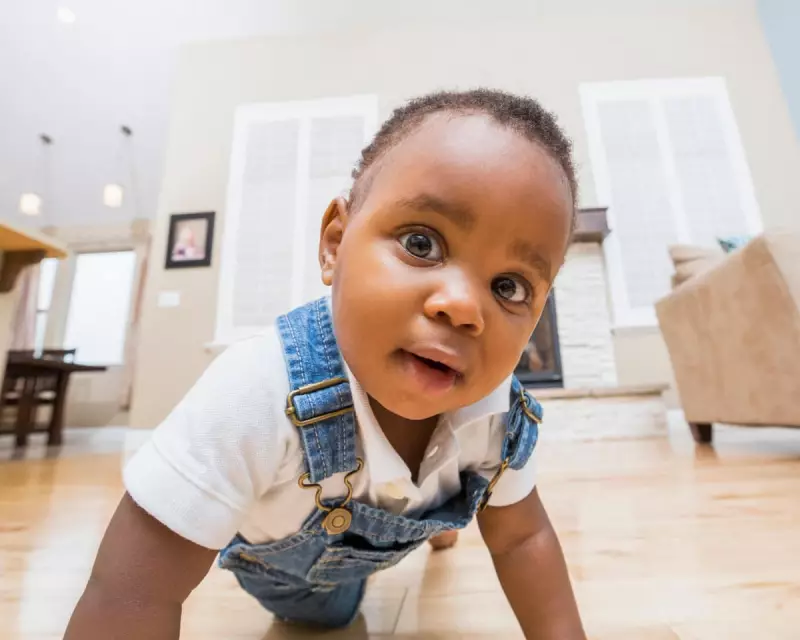
While sorting the laundry, freelance writer Coco Khan experienced a moment of pure, unadulterated rage. The source of her fury? The simple observation that her eight-month-old son's dungarees possessed more functional pockets than her entire wardrobe.
The Laundry Day Revelation
Khan, navigating the often maddening journey of new motherhood, was confronted by this sartorial injustice last week. Amidst the unsolicited advice and the shift in how people address her, this tangible example of inequality struck a chord. She pondered what an infant could possibly need to store in those tiny compartments—a dummy, rice cake crumbs, or perhaps all the sleep he had stolen from her.
This incident taps into a well-documented and historical grievance regarding pockets in women's fashion. For centuries, women's garments were designed without pockets, reflecting a societal expectation that they would not carry valuables, travel independently, or require autonomy. Later, the aesthetic line of a dress was prioritised over practicality, with the handbag offered as a cumbersome alternative. Even today, feminist scholars note that women's pockets are frequently shallow, purely decorative, or entirely fake.

From Maternity Wear to Baby Bumps
The irony is compounded when examining maternity and children's wear. Khan notes that while maternity fashion has evolved from the restrictive corsets of the Victorian era, it often still lacks basic functionality. The 20th century's approach was largely to "make it big," while the 21st century brought a focus on accentuating the baby bump, influenced by celebrity culture and social media.
Yet, despite this progression towards empowerment and visibility, pockets remain conspicuously absent. This feels particularly unfair during early motherhood, a time when one's hands are perpetually full carrying a child. Khan makes a direct plea to designers: don't stop at two pockets—aim for ten, and consider practical, wipe-clean fabrics and popper-fastened day-to-night outfits.
A Symbolic Injustice
The final twist of the knife? Khan observes that this pocket privilege is often gendered from the earliest age. While her baby boy's clothes are pocket-rich, little girls' clothing frequently features the same pocketless designs as women's wear, embedding this inequality from infancy.
For now, Khan's solution is a symbolic act of rebellion: she plans to stash her own small essentials, like her AirPods, in the capacious pockets of her son's dungarees. This everyday injustice, found in the laundry basket, speaks volumes about deeper design biases that persist in our wardrobes and our lives.