NHS Maternity Inquiry Launched After Mother's Birth Injury Left Her With Colostomy Bag
NHS Maternity Inquiry After Mother Left With Colostomy Bag

NHS Maternity Inquiry Launched After Mother's Birth Injury Left Her With Colostomy Bag

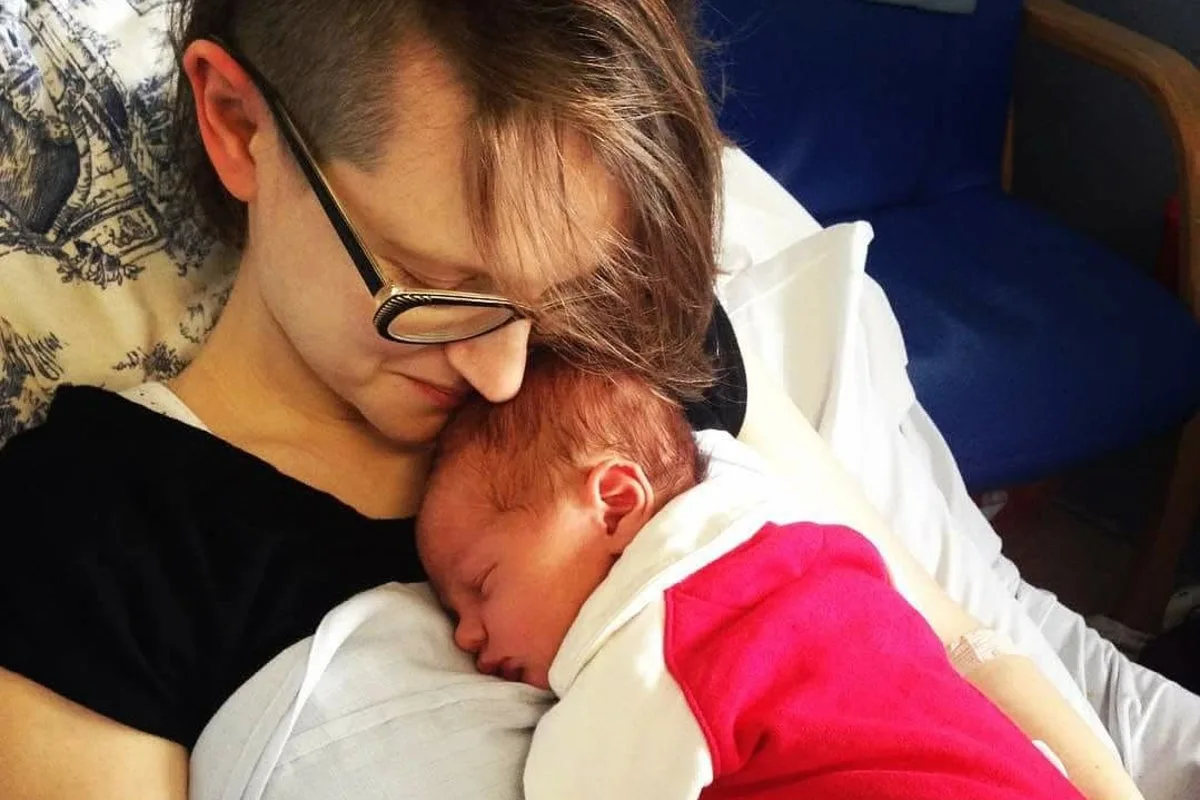
Rachel Cooper, a 43-year-old mother from Leeds, arrived at hospital in April 2018 to give birth to her son, unaware that she would leave days later with a life-altering injury that continues to affect her eight years on. Her experience has now become a catalyst for a government inquiry into maternity care at Leeds Teaching Hospitals NHS Trust, one of the largest trusts in the country.

Ignored Pleas and Untreated Injuries

Ms Cooper was discharged from the hospital after a vaginal labour with an untreated third-degree tear that medical staff had missed. The injury eventually became infected, and despite doctors dismissing her symptoms as "normal", she was forced to undergo surgery when her baby was just eight days old. She now lives with a stoma and colostomy bag, a permanent physical reminder of the failings in her care.

Recalling the traumatic aftermath, Ms Cooper described how she was sitting on the ward holding her son when she suddenly felt an urge to go to the toilet. "I went to stand up and immediately afterwards, my bowels opened, filling my underwear. I had no control whatsoever. I was shocked and distraught," she told The Independent. When she sought help from midwives, she was made to wait and then told her experience was normal, a response she likened to "going to A&E with a broken leg to be told it's only a cramp."

Systemic Failures and Mental Health Impact

The poor treatment extended beyond the initial injury. After being discharged, a community midwife examined her at home and recommended she return to hospital, where she was finally diagnosed with an infected third-degree tear. However, Ms Cooper faced further uncertainty, with little communication about her care. "I'd get no word as to why or what was meant to be happening next. The midwife said to me a few times, 'you're invisible' - and that is absolutely how it felt," she said.

The physical repercussions have been compounded by lasting harm to her mental wellbeing. "I can't trust the hospital, and it's going to be very hard when there comes a time when something else happens to me and I have to go to the hospital," Ms Cooper explained. She added that the dangerous medical practices and poor treatment have had a permanent effect on her mental health, preventing her from being the mother she could have been.

Government Inquiry and Broader Context

Ms Cooper shared her story as the government announced on Tuesday that Donna Ockenden, who chaired the Shrewsbury and Telford Hospital maternity inquiry and is currently leading the Nottingham University Hospitals maternity inquiry, will now also chair the probe into the Leeds trust. Her appointment follows months of campaigning by families in Leeds, after initial pushback from Health Secretary Wes Streeting.

The full terms of the Leeds inquiry are yet to be agreed, but it is expected to examine cases between January 1, 2011, and December 1, 2025. This decision came after a BBC investigation in early 2025 highlighted that the deaths of at least 56 babies and two mothers over the preceding five years may have been preventable, underscoring systemic issues in maternity care.

Apology and Calls for Transparency

Dr Dipesh Odedra, clinical director of women’s services at Leeds Teaching Hospitals NHS Trust, issued an apology: "We are truly sorry to Rachel for the harm she suffered following the birth of her son in our hospital. We recognise how traumatic this must be for her and apologise for the failings in her care. We fully investigated her care at the time and developed an action plan to address these failings, although we appreciate this will not bring any comfort to Rachel and her family."

Ms Cooper hopes the trust will approach the inquiry with "openness and transparency and acknowledge that things went wrong." She emphasized, "I want them to accept that this is needed and that this is about people who've been harmed and babies that have died, and it's about preventing that in the future." Her case highlights the urgent need for accountability and reform in NHS maternity services to protect future patients.




