A vital project designed to save mothers' lives during childbirth in conflict zones, which was abruptly terminated following drastic foreign aid cuts by former US President Donald Trump, has been revived thanks to the intervention of New Zealand's former prime minister, Jacinda Ardern.
A Lifeline for Mothers in Crisis
The Safer Births in Crisis project, led by the International Rescue Committee (IRC), was originally slated to operate in seven countries with a budget of $10 million (£7.5m). After the US funding was withdrawn in January 2025, the initiative was axed. Now, with seed funding from Ardern's Matariki Fund for Women, a scaled-back version is launching in South Sudan and Burkina Faso with a budget of $4 million (£3m).
The programme focuses on combating postpartum haemorrhage – excessive bleeding after birth, which is a leading cause of maternal death globally. Experts will test an approach using a simple plastic blood-collection drape to measure blood loss quickly, allowing for faster intervention. The goal is to prove this method works in unstable conflict zones as effectively as in more stable settings.

The Devastating Impact of Funding Withdrawal
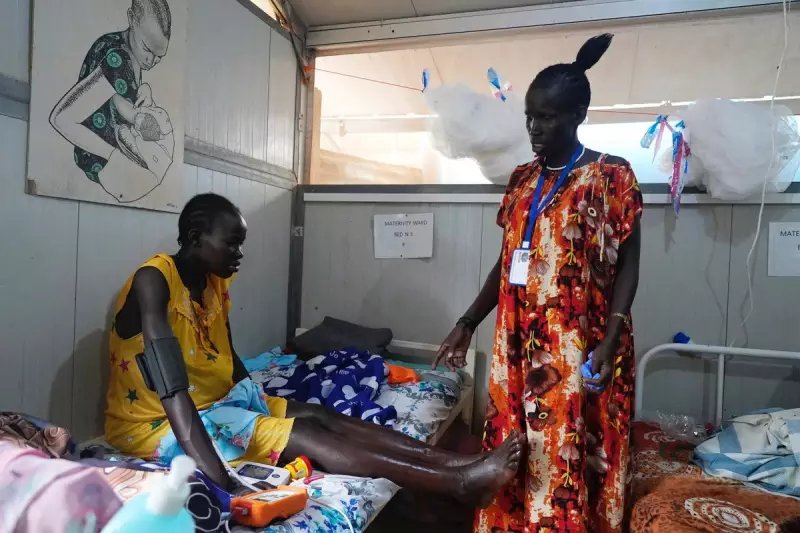
The sudden halt of US aid in January 2025 had immediate and severe consequences. In South Sudan, where over half of all health funding came from the US, antenatal visits dropped and cases of postpartum haemorrhage increased. Kadra Noor Abdullahi, the IRC's maternal health coordinator for South Sudan, explained that years of conflict and climate change have crippled the health system, with only half the population able to reach a clinic.
"For women and girls in particular, this lack of hospitals and supplies meant a high number of women who deliver at home," Abdullahi said, noting that 80 per cent of births occur without a midwife or doctor.
In Burkina Faso, nearly 30,000 pregnant women lost access to prenatal care overnight. Elaine Scudder, an IRC health advisor, described the period as one of anxious uncertainty, with staff furloughed and programmes dismantled.
A New Chapter with Reduced Means
Ardern's involvement provided a crucial turning point. "It was a moment of believing that there was going to be light at the end of the tunnel," said Scudder. However, the revived project faces stark new realities. With less money and basic maternity care eroded, the team must do more with less in fewer countries.
"After the foreign aid cuts, it became quite clear that we couldn't solely focus in this vacuum of preventing excessive bleeding," Scudder stated. "We now feel responsible for delivering all of that care for mothers and newborns."
The coalition, which includes the International Medical Corps, UNFPA, and Jhpiego, will also trial providing the drug misoprostol for women to take home. While highly effective at preventing deadly bleeding, its use as an abortion pill makes it controversial in some regions.
While Scudder hailed Ardern's passionate involvement as a "breath of fresh air," she emphasised that no single donor can reverse the full impact of the US cuts. The project, now preparing to reach women in the new year, represents a hard-won but diminished victory for global maternal health.