A critical initiative designed to prevent mothers dying from childbirth bleeding in crisis zones, which was scrapped following drastic US foreign aid cuts under Donald Trump, has been given a lifeline by former New Zealand Prime Minister Jacinda Ardern.
A Programme Pulled Back from the Brink
The Safer Births in Crisis project, led by the International Rescue Committee (IRC), was originally set to run in seven countries with a $10 million budget. It was abruptly defunded in January 2025 when President Trump halted all US aid funding overnight. The project has now been revived on a smaller scale, launching in South Sudan and Burkina Faso with a $4 million budget provided by Ardern's Matariki Fund for Women.
Elaine Scudder, a maternal health advisor for the IRC, described Ardern's intervention as "a moment of believing that there was going to be light at the end of the tunnel." The team had been furloughed, left anxiously watching the situation deteriorate for the women they served.

The Devastating Impact of Lost Funding
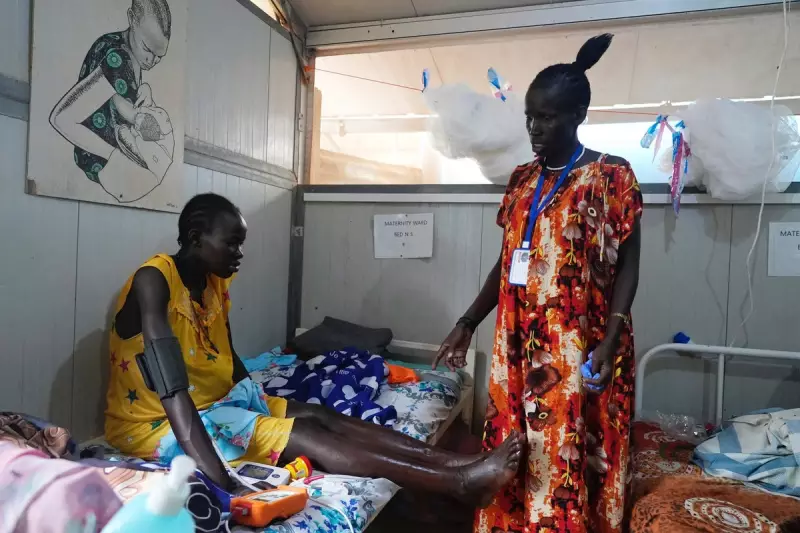
The sudden withdrawal of US aid had severe and immediate consequences. In South Sudan, where over half of all health funding came from the US, antenatal visits fell and cases of postpartum haemorrhage rose. Kadra Noor Abdullahi, the IRC's maternal health coordinator in the country, explained that protracted conflict and climate change have crippled the health system, with only half the population able to reach a medical facility.
80 per cent of women in South Sudan give birth without a midwife or doctor. In hard-to-reach parts of Burkina Faso, nearly 30,000 pregnant women lost access to prenatal care due to the cuts.
A Focused, High-Impact Approach
The revived programme will test a bundled approach to treating postpartum haemorrhage, a leading cause of maternal death globally. This involves using a simple, plastic blood-collection drape to accurately measure blood loss, allowing for swift identification of dangerous bleeding. Women are then given a combination of drugs simultaneously to maximise survival chances. A 2023 study found this bundle reduced severe bleeding, surgeries, and deaths by 60 per cent.
The coalition, which includes the International Medical Corps, UNFPA, and Jhpiego, will also trial providing the drug misoprostol for women to take home in case they cannot reach a hospital. While highly effective at preventing deadly bleeding, its use as an abortion pill can make it controversial in some regions.
Testing in conflict zones like South Sudan and Burkina Faso will reveal practical challenges, such as whether supply shortages lead to the unsafe reuse of drapes. The project has begun assessing needs and will start reaching women in the new year.
While Ardern's seed funding is a "breath of fresh air," Scudder stressed that no single donor can reverse the full impact of the US cuts. The team has had to painfully realign its ambitions, now focusing on delivering comprehensive care in just two countries instead of seven. "It's been incredibly hard to realign all your expectations," she said, highlighting the stark new reality for global health aid.