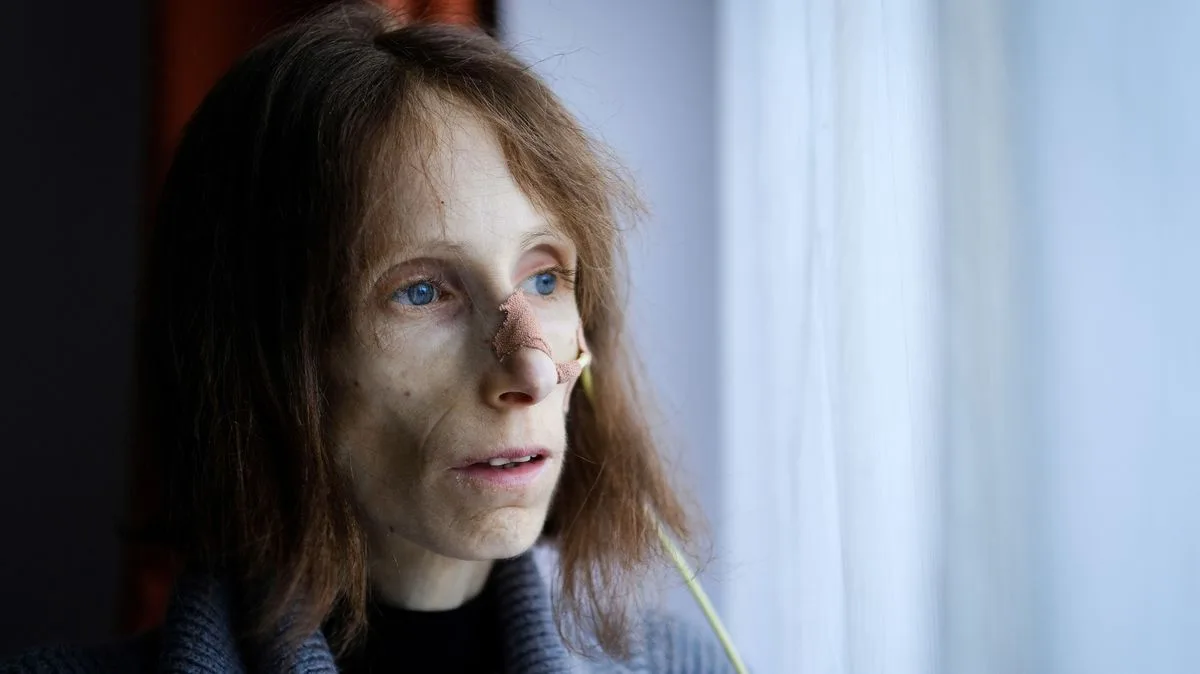
Emilie Cullum, a 36-year-old mother of three from St Albans, Hertfordshire, initially dismissed her vomiting after breakfast as spoiled milk. However, when the sickness persisted for over ten days and she struggled to keep meals down, she realised something more serious was occurring.
Initial symptoms and diagnosis
Ms Cullum recalled: "I ate breakfast and was really sick but didn't feel ill, didn't have a temperature or anything like that so thought maybe the milk was off, then had dinner and was sick again." After visiting A&E, she was diagnosed with Crohn's disease, an incurable condition causing gut inflammation. Yet her symptoms continued unabated.
After three months of daily nausea and inability to eat with her family, the aesthetic clinician sought a private consultation with a specialist in February 2025. There, she received the devastating news: she had gastroparesis, a rare disorder where the stomach cannot empty food properly, causing it to pass through the digestive system far slower than normal.
Life-threatening weight loss
Around 14 in every 100,000 Britons suffer from some form of gastroparesis, which can cause bloating, early satiety, and severe stomach pain. In Ms Cullum's case, symptoms triggered drastic weight loss, nearly halving her weight from 8 stone 5 pounds to 4 stone 8 pounds. She now faces the prospect of dying within a year. "The thought of having to leave my children is horrific," she said.
The specialist explained that the pain originates from her abdomen, where the nerves responsible for stomach emptying are ineffective. In her case, the diagnosis was that her "stomach is completely broken" and "nothing is going through." This leaves her feeling constantly full and unable to keep food down, leading to rapid weight loss.
Treatment and fundraising
Ms Cullum has since undergone a jejunostomy, a procedure allowing direct feeding into the small intestine through a tube, which helped her gain weight to just over 5 stone. However, she remains "critically underweight," according to a GoFundMe campaign launched by a friend to raise £200,000 for private total parenteral nutrition (TPN) treatment. TPN delivers nutrients directly into the bloodstream, allowing her to receive care at home with a private nurse, enabling her to spend time with her family.
The fundraiser states: "She can come home with a private nurse meaning she gets to be with her family, most importantly her young children as they struggle through their GCSEs because their mother is starving to death. Her life expectancy is going to be considerably shorter if she can't have this done, so this is her last hope."
To qualify for TPN, she needs to reach 6 stone 9 pounds through current residential hospital care, where she receives fluids, nutrition, and medication via Hickman and PICC lines. But extended hospital stays mean long separations from her husband Kyle, 41, a golf teacher, and their three children.
Ms Cullum expressed: "It's hard, the children are growing up and we thought we were going to have all these years, we did it young and it's just not worked out that way. I don't want to go into hospital knowing that I don't have that much time left and not spending it with my family."
Understanding gastroparesis
Gastroparesis affects the normal movements of stomach muscles, preventing proper emptying. It affects over 1.5 million people in the US and up to four per cent of people in the UK. Symptoms include nausea, vomiting, feeling full after a few bites, acid reflux, abdominal bloating and pain, weight loss, and lack of appetite. It can occur as a complication of diabetes, after surgery, or infection, often due to nerve damage. Certain medications can also slow gastric emptying. Complications include severe dehydration, malnutrition, reduced quality of life, and potentially life-threatening food hardening in the stomach. There is no cure; treatment focuses on dietary changes, medications, and sometimes surgery for a feeding tube.






