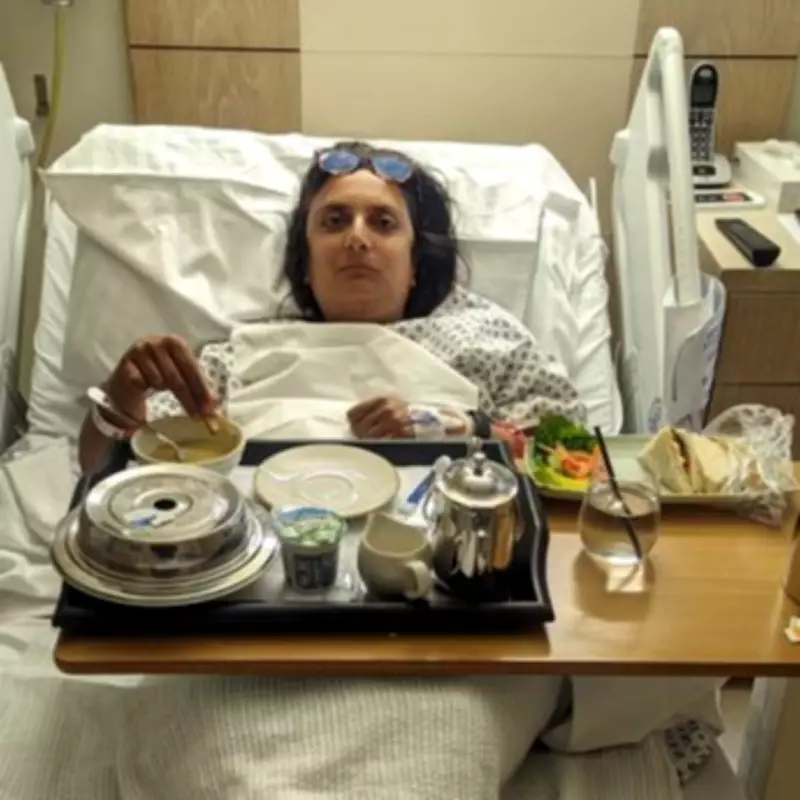
A mother who endured severe headaches, vomiting, and being housebound for nine weeks was diagnosed with a rare neurological condition that forced her to consume three coffees, a caffeine tablet, and a Coke Zero daily to manage her symptoms.
Diagnosis and Early Symptoms
Sapna Bidwall, 45, an accountant from Milton Keynes, was diagnosed in January 2024 with Spontaneous Intracranial Hypotension (SIH), a type of cerebrospinal fluid (CSF) leak where a small hole in the outer membrane causes the brain to sag downwards. Her symptoms began in July 2023 at age 42 with headaches, which her GP treated with physiotherapy. However, her condition escalated to migraines, frequent vomiting, nausea, and loss of appetite, leading to hospitalisation on December 29, 2023. After scans, she was diagnosed with SIH and advised to consume caffeine, which constricts blood vessels and increases CSF production.
Caffeine Dependency
Sapna started drinking coffee, taking caffeine tablets, and drinking Coke Zero to manage her symptoms. She noticed that caffeine in the evening prevented morning headaches. She described being housebound for nine weeks as "like being in prison." During this time, she joined a Facebook support group for CSF leak patients, which led her to private consultant neuroradiologist Lalani Carlton Jones in March 2024.

Surgery and Recovery
After myelograms identified the leak, neurosurgeon Dr Gordan Grahovac initially recommended monitoring, as the leak was small. However, a follow-up MRI in September 2024 showed it was still leaking. In March 2025, Sapna underwent a three-hour thoracic laminoplasty to seal the leak, which was found to be 10mm wide. She woke up the next day without a headache and has since recovered 98%, no longer dependent on caffeine. She still enjoys coffee occasionally but is grateful to her medical team, saying, "I've got life because of them."
Raising Awareness
Sapna now advocates for greater awareness of CSF leaks, noting that many patients are misdiagnosed with migraines. She urges people to recognise that symptoms worsen when upright and improve when lying flat.