

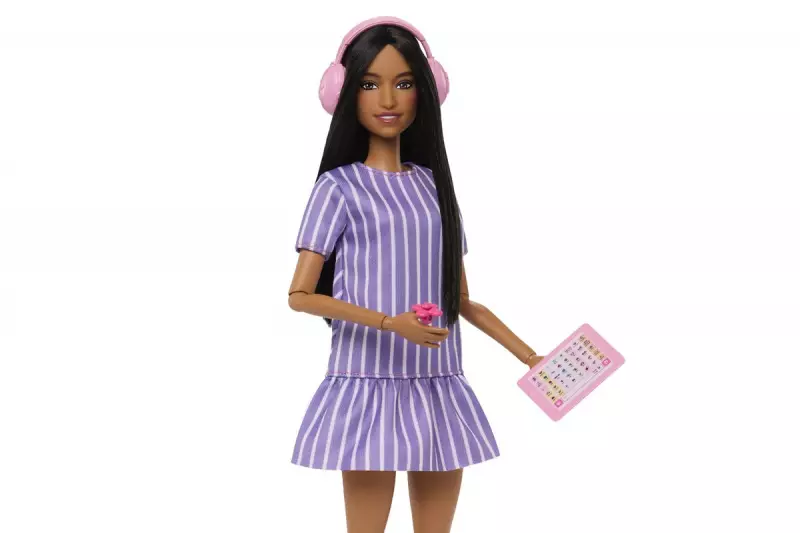
In a landmark move for the toy industry, Mattel has unveiled the first-ever Barbie doll created to represent autistic children. The launch, announced on Monday 12 January 2026, has been warmly welcomed by campaigners and charities who describe it as a crucial step towards more authentic and joyful representation for neurodivergent young people.
Design Features Created with Autistic Community
The doll's design is the result of a close collaboration with the Autistic Self Advocacy Network (ASAN), ensuring the features were chosen based on first-hand experiences from the autistic community. Key elements include loose-fitting clothing to minimise uncomfortable fabric contact and a subtle eye gaze directed slightly to the side, reflecting how some autistic people may avoid direct eye contact.
To address sensory needs, each doll comes with a pink fidget spinner, intended to help reduce stress and improve focus, and a pair of noise-cancelling headphones to help manage environmental sounds and prevent sensory overload. The doll also has moveable elbows and wrists, allowing for gestures that some autistic individuals use to process information or express excitement, and holds a pink tablet, symbolising the use of digital tools for communication.

A Powerful Symbol for Acceptance and Visibility
The ASAN hailed the doll as a "milestone" in representation, stating they were "thrilled" to assist in its creation. They emphasised that it is vital for young autistic people to see positive and authentic depictions of themselves in the toys they play with.
Autistic writer and advocate Ellie Middleton called the Barbie a "powerful symbol," particularly for young girls. "Statistics show that young girls are often undiagnosed or misdiagnosed," she noted, explaining that this doll helps bring conversations about neurodivergence in women to the forefront, allowing autistic girls to feel seen and accepted.
Autism as a Spectrum and the Importance of Authenticity
The National Autistic Society (NAS) welcomed the development while reminding the public that autism is a spectrum, meaning autistic people have a diverse range of strengths and challenges. The charity estimates that more than one in 100 people in the UK are autistic, amounting to at least 700,000 autistic adults and children.
Peter Watt, NAS Managing Director of National Programmes, said: "Seeing more depictions of autism is key to understanding and autism acceptance. It's really important that these representations are authentic and based on extensive consultation with autistic people." He praised Mattel for involving the community and highlighted that better public understanding through such representation in play, TV, and film could transform lives.
This autistic Barbie joins Mattel's growing line of inclusive dolls, which already includes figures representing individuals with Down's syndrome, diabetes, and visual impairments, as part of the company's mission to better reflect the diversity of children who play with its products.






